
Indulgence in a Cup: The Delightful World of Lattes and How to Craft the Perfect Cup
Introduction:
In the realm of coffee, the latte stands as an epitome of indulgence and versatility. With its luxurious layers of espresso, steamed milk, and a dollop of frothy microfoam, the latte has become a canvas for creativity and a comforting ritual for coffee enthusiasts. Join us as we delve into the essence of lattes and guide you through the art of preparing this velvety, caffeinated masterpiece at home.
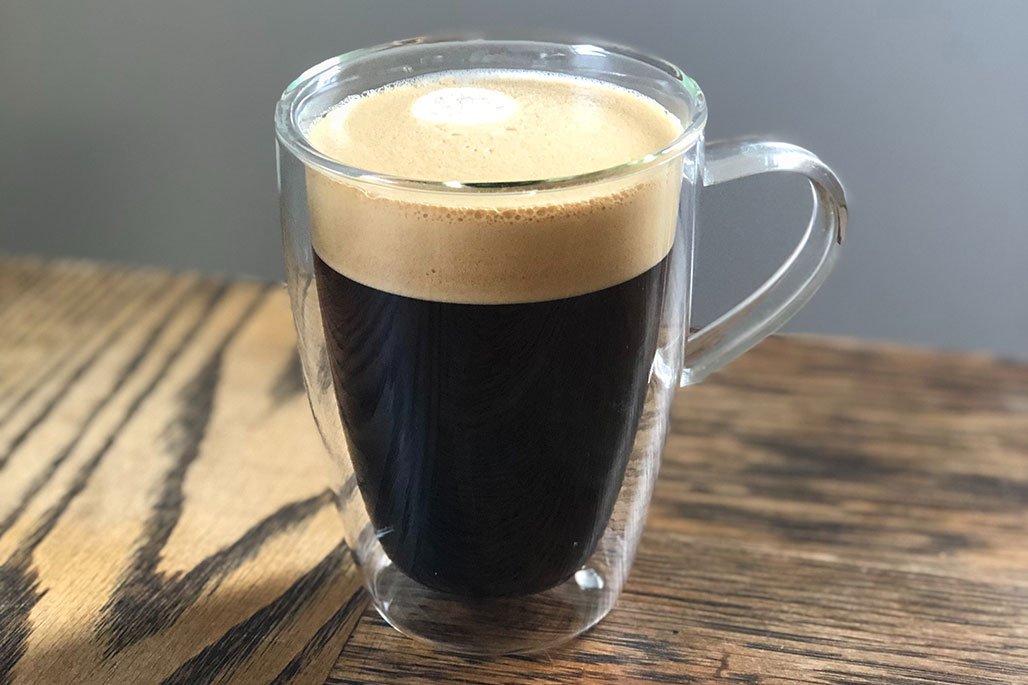
The Symphony of a Latte:
1. Espresso Elegance: At the heart of a latte lies a foundation of robust espresso. Typically, a latte is made with one or more shots of espresso, providing a strong and concentrated coffee base. The quality of the espresso plays a significant role in shaping the flavor profile of the latte.
2. Steamed Milk Sophistication: The second layer of a latte is steamed milk. The milk is steamed to a velvety texture, enhancing its sweetness and contributing to the overall richness of the drink. The goal is to achieve a luscious, creamy consistency that complements the boldness of the espresso.
3. Frothy Microfoam: What sets a latte apart is the addition of frothy microfoam. This delicate foam is created by aerating the milk, incorporating tiny bubbles that add a luxurious texture to the drink. The microfoam floats atop the espresso and steamed milk, creating an inviting canvas for latte art.
Crafting the Perfect Latte at Home:
1. Espresso Extraction: Begin by pulling one or two shots of espresso. The strength of the espresso is a personal preference, so adjust the number of shots to suit your taste. Use a high-quality coffee bean and grind it to a fine consistency for optimal extraction.
2. Steaming Milk: Steam the milk using a milk steamer or frother until it reaches a creamy and velvety consistency. The ideal temperature for steamed milk is around 150–160°F (65–71°C). Pay attention to the sound and feel of the milk while steaming – you’re aiming for a gentle, hissing sound and a smooth, velvety texture.
3. Frothing Microfoam: Create microfoam by continuing to steam the milk, focusing on incorporating tiny bubbles. The microfoam should have a smooth, glossy appearance, resembling wet paint. Pour the microfoam over the espresso and steamed milk.
4. Latte Art (Optional): For those who appreciate the visual artistry of lattes, attempt to create latte art by pouring the microfoam in a controlled manner. Common designs include hearts, rosettes, or even intricate patterns. While latte art is optional, it adds an extra layer of sophistication to your latte.
Presentation and Enjoyment:
Serve your latte in a large, pre-warmed mug. The result is a harmonious symphony of flavors – the boldness of espresso beautifully balanced by the sweetness and creaminess of steamed milk and the delightful texture of frothy microfoam.
Conclusion: A Luxurious Sip
The latte, with its layers of flavor and velvety texture, is a celebration of the finer aspects of coffee culture. Whether enjoyed as a morning ritual or an afternoon pick-me-up, crafting the perfect latte at home allows you to savor the luxurious indulgence of this classic coffee creation. So, embrace the art of latte-making, experiment with flavors, and savor the comforting elegance of a well-brewed latte.
The Americano Experience: Unveiling the Art of a Diluted Delight
Introduction
In the world of coffee, the Americano stands as a testament to simplicity and versatility. This classic beverage, born out of necessity and innovation, has become a beloved choice for coffee enthusiasts seeking a milder yet still robust flavor. Join us as we explore the origins of the Americano and guide you through the steps to prepare this delightful brew at home.
The Birth of the Americano:
The Americano’s roots trace back to World War II, when American soldiers stationed in Italy found the local espresso too strong for their taste. To adapt, they began diluting their espresso shots with hot water, creating a drink that retained the boldness of espresso while offering a milder and more approachable flavor.
The Essence of an Americano
1. Espresso as the Foundation: At its core, the Americano is an espresso-based drink. The base consists of a shot or two of espresso, providing the concentrated and intense coffee flavor that sets the stage for the Americano experience.
2. Adding Hot Water: What defines the Americano is the addition of hot water to the espresso. The ratio of water to espresso can vary based on personal preference, but a common guideline is to add equal parts water to the amount of espresso. This dilution process creates a smoother, lighter coffee profile.
Mastering the Americano Preparation
1. Choose Your Coffee Beans: Begin by selecting high-quality coffee beans. While any coffee beans can be used for an Americano, a medium roast with balanced acidity and flavor notes can enhance the overall experience.
2. Espresso Extraction: Prepare one or two shots of espresso using your preferred espresso machine. The quality of the espresso is crucial, as it serves as the foundation for the Americano’s flavor profile.
3. Hot Water: Heat water to just below boiling. The water temperature is essential, as it affects the extraction of flavors during the dilution process. Pour the hot water directly over the espresso shots.
4. Adjust to Taste: The beauty of the Americano lies in its adaptability. If you find the drink too strong, you can add more hot water. Conversely, if you prefer a bolder flavor, you can reduce the amount of water added. Experiment until you find the perfect balance for your palate.
Presentation and Enjoyment
Serve the Americano in a pre-warmed cup to maintain its temperature. The result is a beverage that retains the essence of espresso but offers a smoother, more diluted taste. Consider adding a slice of lemon or a twist of orange peel for a citrusy touch, or enjoy it black for a straightforward and clean coffee experience.
A Milder Symphony of Flavor
The Americano is a celebration of adaptability and simplicity in the world of coffee. Its roots in history and its enduring popularity are a testament to the allure of a drink that bridges the intensity of espresso with the approachability of a diluted brew. So, embark on the Americano experience, savor its nuanced flavors, and appreciate the art of finding balance in every cup.
Elevating Your Senses: The Art of Espresso and How to Master Its Preparation
Introduction:
In the world of coffee, few things rival the intensity and complexity of a well-brewed espresso. Hailing from Italy, this concentrated shot of caffeine has become a global icon, celebrated for its bold flavor, rich crema, and the sheer artistry involved in its preparation. Join us as we delve into the captivating realm of espresso, unraveling its secrets, and guiding you through the steps to master the art of brewing this potent elixir at home.
The Essence of Espresso:
1. Coffee Beans Selection: Espresso’s journey begins with the selection of the right coffee beans. Opt for a high-quality, medium-to-dark roast with a fine grind. The grind size is crucial, as it influences the extraction process and the resulting flavor.
2. The Espresso Machine: The cornerstone of espresso preparation is, of course, the espresso machine. Whether you choose a manual lever machine for a hands-on approach or an automatic machine for convenience, investing in a good-quality espresso machine is essential for achieving the perfect shot.
3. Water Quality: Pure, filtered water is paramount. The quality of water directly impacts the taste of your espresso. Use fresh water and ensure that your machine’s water reservoir is clean to prevent any impurities from affecting the flavor.
4. Tamping Technique: Tamping is a critical step in espresso preparation. After adding the coffee grounds to the portafilter, use a tamper to compress the grounds evenly. Applying consistent pressure ensures uniform extraction, leading to a balanced and flavorful shot.
Mastering the Espresso Extraction:
1. Dose and Distribution: Begin by dosing the coffee grounds into the portafilter basket. The standard is around 18-20 grams of coffee for a double shot. Distribute the grounds evenly, creating a smooth surface for tamping.
2. Tamping: Place the portafilter on a flat surface and tamp the grounds with steady and even pressure. The goal is to create a flat and level coffee bed for consistent water flow during extraction.
3. Brewing Time and Temperature: Espresso is brewed quickly, typically in 25-30 seconds. Adjust the grind size to achieve this timeframe. The water temperature should be around 195–205°F (90–96°C) to extract the optimal flavors from the coffee.
4. Crema: A hallmark of a well-brewed espresso is the crema – the golden-brown layer of foam on top of the shot. This indicates proper extraction and a balanced flavor profile. Fresh coffee, proper tamping, and the right grind size contribute to a creamy and aromatic crema.
The Art of Presentation:
Serve your espresso in a pre-warmed cup to maintain its temperature. The visual appeal of a well-pulled shot, combined with the enticing aroma and rich crema, adds to the overall experience.
Conclusion: A Symphony in a Cup
Mastering the art of espresso is a journey that combines precision, technique, and a deep appreciation for the rich tapestry of coffee flavors. As you embark on this caffeinated adventure, remember that perfection comes with practice. So, invest in quality beans, hone your tamping technique, and savor the symphony of flavors that a well-crafted espresso brings to your cup. Elevate your senses and indulge in the sheer pleasure of this iconic coffee experience.
Sipping Tradition: The Art of Turkish Coffee and How to Prepare It
Introduction:
In the heart of Turkish culture, there exists a time-honored tradition that transcends the simple act of drinking coffee – it’s the art of brewing and savoring Turkish coffee. Steeped in history and surrounded by rituals, this rich and robust beverage has become synonymous with hospitality and social connection. Join us as we unravel the secrets of Turkish coffee and guide you through the steps to prepare this timeless elixir in the comfort of your own home.
The Essence of Turkish Coffee:
1. Coffee Selection: The journey begins with choosing the right coffee beans. Opt for a finely ground, dark roast with a consistency resembling powdered sugar. The grind is crucial to the success of Turkish coffee, as it contributes to its unique texture and flavor.
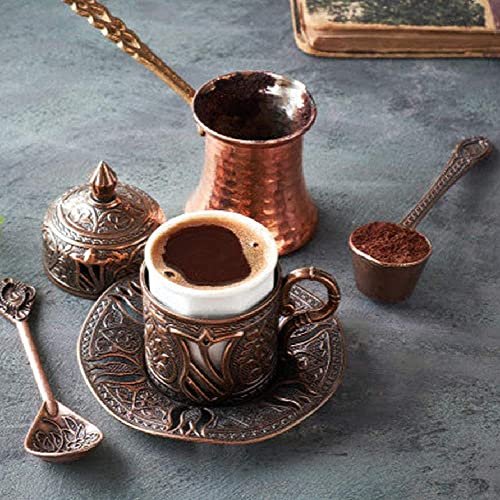
2. Special Pot – Cezve: Distinctive to Turkish coffee preparation is the cezve, a small, long-handled pot traditionally made of copper. The cezve plays a pivotal role in controlling the heat and allowing for the distinctive frothiness of Turkish coffee.
3. Sugar and Cardamom: Turkish coffee is often prepared with sugar and sometimes infused with cardamom, adding a delightful aromatic touch. The amount of sugar is a matter of personal preference, and cardamom can be adjusted to taste.
4. Water: Using cold, fresh water is essential. The water-to-coffee ratio is approximately one teaspoon of coffee per 1.7 ounces (50ml) of water. Adjustments can be made based on your preferred strength.
Brewing the Perfect Cup:
1. Measure and Add Ingredients: Measure the cold water into the cezve, add the desired amount of finely ground coffee, and incorporate sugar and cardamom to taste. Stir the mixture gently to ensure even distribution.
2. Gradual Heating: Place the cezve on low heat. It’s important to heat the coffee slowly to allow the flavors to meld. Avoid stirring once the mixture is on the heat to encourage the formation of the characteristic froth.
3. Watch for Frothing: As the coffee mixture heats, a foamy layer, known as the “kaimaki,” will start to form on the surface. This froth is a hallmark of Turkish coffee and contributes to its unique texture. Be attentive to prevent the mixture from boiling over.
4. Simmer and Serve: Once the coffee begins to froth and before it reaches a boiling point, reduce the heat to a simmer. Allow the coffee to brew for a total of about 4 minutes, ensuring that the froth remains intact. Pour the coffee into demitasse cups, grounds and all.
The Ritual of Enjoyment:
Turkish coffee is more than just a beverage; it’s a ceremony. Enjoy it slowly, savoring the richness of flavor and the aromatic notes. The grounds settled at the bottom of the cup can be used for fortune-telling, a tradition that adds a touch of mystique to the experience.
Conclusion: A Symphony of Culture in a Cup
Brewing Turkish coffee is an art that connects us to centuries of tradition and the warmth of communal gatherings. As you embark on the journey of preparing and savoring Turkish coffee, you not only indulge in a rich and robust beverage but also become a part of a cultural tapestry that has withstood the test of time. So, gather your cezve, embrace the ritual, and savor the symphony of flavors that Turkish coffee brings to your cup and soul.