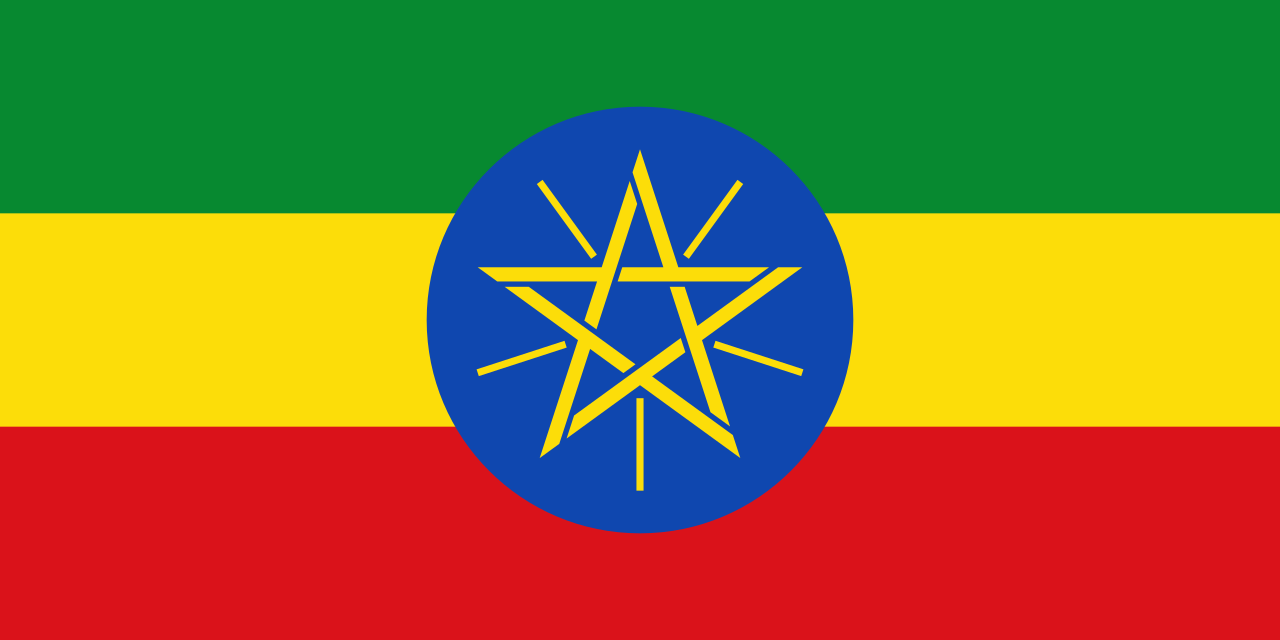
A Harmonious Blend of Tradition, Flavor, and East African Elegance
Kenyan coffee stands as a proud ambassador of East African coffee excellence, celebrated globally for its distinctive flavor profiles, stringent quality standards, and the unique attributes imparted by the country’s diverse landscapes. Kenya, nestled in the highlands near the equator, provides an ideal environment for cultivating Arabica coffee, and the Kenyan coffee industry has become synonymous with quality, precision, and a commitment to excellence.
One of the key factors contributing to the exceptional taste of Kenyan coffee is the country’s diverse microclimates and altitudes. Coffees from regions like Nyeri, Kirinyaga, and Murang’a, situated on the slopes of Mount Kenya, are known for their bright acidity, full body, and complex flavor profiles. The volcanic soils, high altitudes, and favorable climate create optimal conditions for the development of unique and sought-after coffee beans.
Kenyan coffee is often characterized by its distinct wine-like acidity, reminiscent of blackcurrant or citrus notes. The beans undergo a meticulous wet processing method, involving fermentation and washing, which contributes to the clean, vibrant, and well-balanced flavors that define Kenyan coffee.
The Kenyan coffee auction system, managed by the Nairobi Coffee Exchange, plays a crucial role in maintaining quality and transparency in the industry. Through this system, coffees are rigorously graded based on factors like bean size, moisture content, and cupping scores, ensuring that only the highest quality beans reach the market. The Auction system also fosters competition among coffee producers, incentivizing them to consistently produce top-tier coffees.
In addition to its flavor attributes, Kenyan coffee holds cultural significance, with coffee farming deeply rooted in the traditions of Kenyan communities. The smallholder farmers, who form the backbone of the industry, take pride in their meticulous cultivation practices, often handed down through generations.
The popularity of Kenyan coffee has surged in the specialty coffee market, with terms like “Kenyan AA” (referring to the highest grade) and “Kenyan single origin” becoming synonymous with quality and premium taste. The unique combination of terroir, varietals like SL28 and SL34, and the commitment to sustainable and ethical farming practices further enhances the desirability of Kenyan coffee among discerning consumers.
As the global demand for exceptional coffee experiences continues to grow, Kenyan coffee remains a shining example of the artistry and craftsmanship inherent in the coffee industry. Each cup tells a story of the lush landscapes, dedicated farmers, and a commitment to producing some of the finest coffees the world has to offer. Whether enjoyed in a bustling Kenyan market or savored in a specialty coffee shop abroad, Kenyan coffee is a testament to the rich tapestry of flavors that make coffee a truly remarkable and global beverage.
Journeying Through the Birthplace of Arabica Excellence
Ethiopian coffee, often referred to as the “birthplace of coffee,” holds a special place in the hearts of coffee enthusiasts worldwide. The unique combination of Ethiopia’s rich coffee heritage, diverse coffee varieties, and traditional cultivation methods contributes to the exceptional and distinct flavors found in Ethiopian coffee beans.
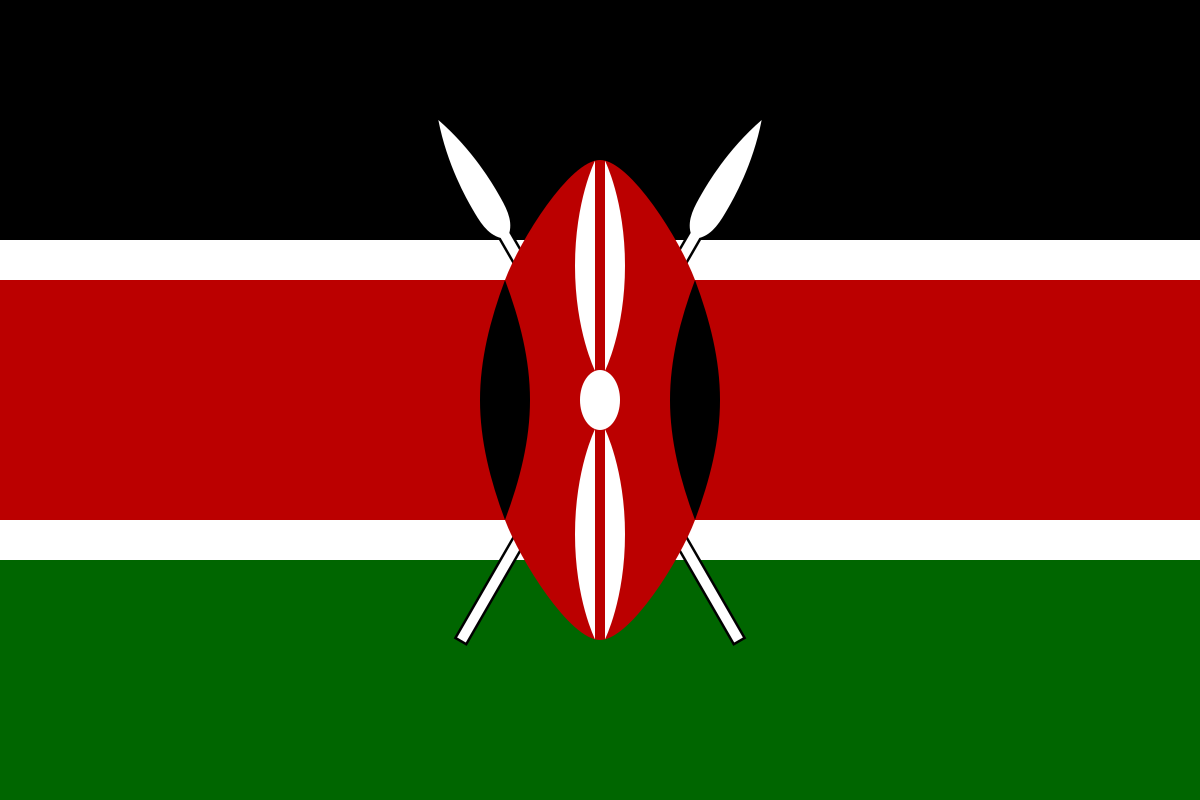
Ethiopia, nestled in the Horn of Africa, is believed to be the origin of the Arabica coffee plant. The legend goes that a 9th-century Ethiopian goat herder named Kaldi discovered the coffee bean after noticing his goats became unusually energetic upon consuming the berries from a certain plant. This serendipitous discovery laid the foundation for the global coffee culture we know today.
One of the defining features of Ethiopian coffee is its exceptional diversity. Ethiopia is home to numerous coffee varieties, each with its unique flavor profile influenced by factors such as altitude, climate, and soil. Notable Ethiopian coffee varieties include Sidamo, Yirgacheffe, Harrar, and Limu, each offering a distinctive taste experience.
Yirgacheffe, in particular, is renowned for its floral and citrusy notes, often considered one of the finest and most sought-after coffee varieties globally. Sidamo coffees, on the other hand, are celebrated for their bright acidity and wine-like characteristics. Harrar coffees, grown in the Eastern Highlands, are known for their full-bodied and fruity flavors, while Limu coffees from the southwest exhibit a balanced profile with a hint of winey acidity.
The traditional Ethiopian coffee ceremony, known as “Bunna,” is a cultural ritual that showcases the importance of coffee in Ethiopian society. The ceremony involves roasting green coffee beans, grinding them, and brewing the coffee in a special pot called a “jebena.” This communal experience emphasizes the social and cultural significance of coffee in Ethiopian communities.
Ethiopian coffee’s global appeal has led to the emergence of terms like “Ethiopian single origin” and “Ethiopian specialty coffee” in coffee culture and marketing. Coffee enthusiasts actively seek out these coffees for their unique and vibrant flavor profiles.
In recent years, Ethiopia has also embraced sustainable and traceable coffee practices. The country’s commitment to environmentally friendly and socially responsible coffee production is reflected in certifications such as Organic and Fair Trade, meeting the growing demand for ethically sourced coffee.
As consumers increasingly appreciate the nuances of coffee and the stories behind each cup, Ethiopian coffee continues to captivate with its rich history, diverse flavors, and cultural significance. Whether sipped in a bustling Ethiopian market or enjoyed in a trendy coffee shop halfway around the world, Ethiopian coffee offers a journey through time and taste, celebrating the roots of this beloved beverage.