
A Journey into the Enchanting World of Warmth, Flavor, and Resilience
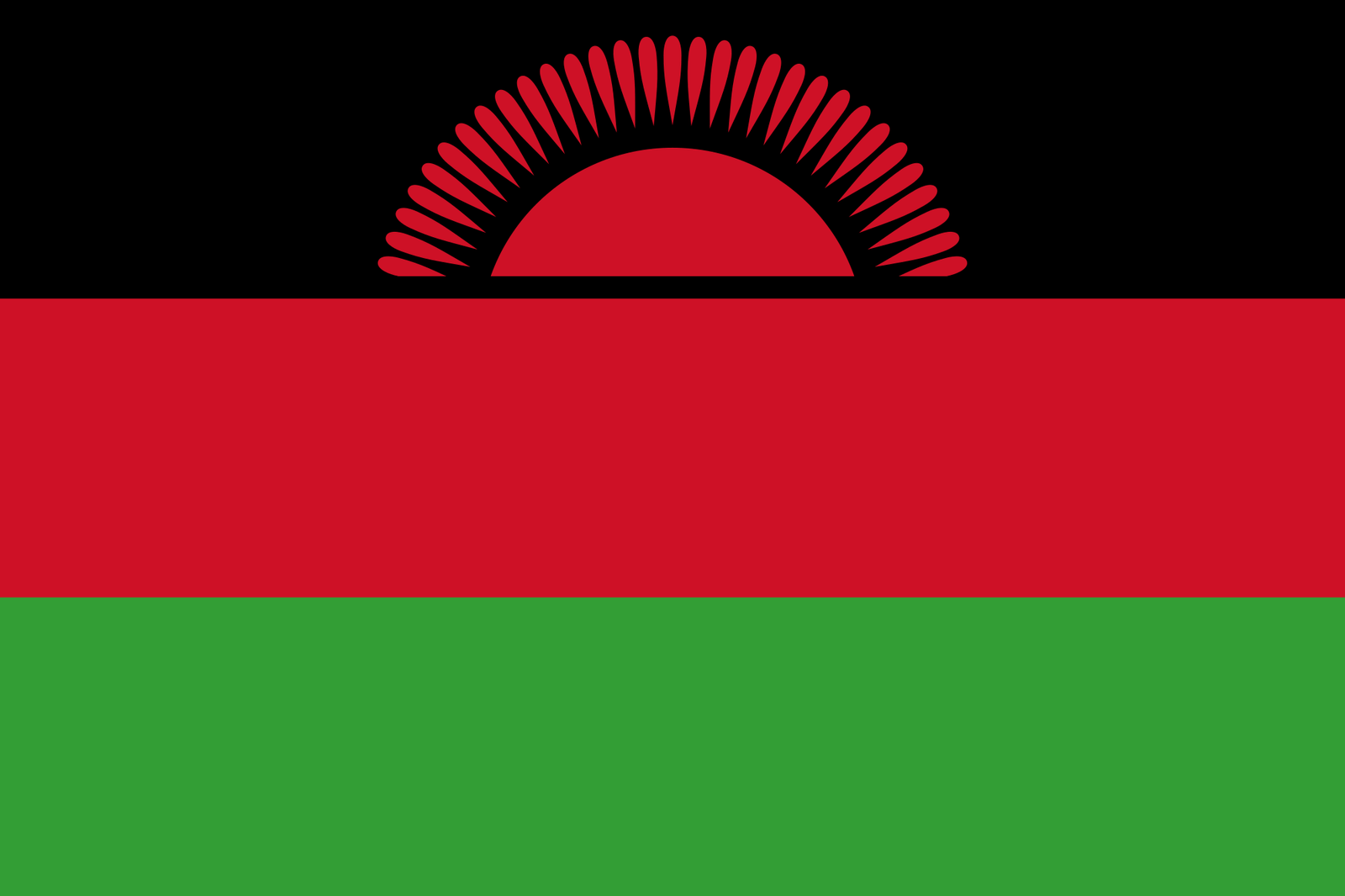
Malawi, a landlocked country in southeastern Africa, might not be the first nation that comes to mind when thinking about coffee origins. Still, this vibrant African nation has been quietly cultivating a niche for itself in the world of specialty coffee. Malawi’s coffee profile reflects the unique characteristics of its landscapes, the dedication of its farmers, and the growing recognition of the country’s potential in the global coffee market.
Coffee cultivation in Malawi is centered around the Arabica variety, primarily grown in the highlands of the northern and central regions. The altitude, ranging from 800 to 2,000 meters, contributes to the unique flavor profile of Malawian coffee. Notable coffee-growing regions include Mzuzu, Viphya, and the Mulanje Massif, each offering distinct terroirs that influence the taste and aroma of the beans.
Malawi’s Arabica beans are celebrated for their bright acidity, medium body, and flavor palette that often includes citrusy and fruity notes. The cool temperatures and well-drained volcanic soils in the high-altitude regions create optimal conditions for slow bean maturation, resulting in a nuanced and complex cup profile. The efforts of smallholder farmers and estate owners contribute to the quality and consistency of Malawian coffee.
One of the standout features of Malawi’s coffee industry is its commitment to sustainability and ethical practices. The country has embraced initiatives such as the UTZ and Rainforest Alliance certifications, highlighting a dedication to environmentally friendly farming methods and fair labor practices. These certifications not only appeal to conscientious consumers but also position Malawian coffee as a responsible choice in the global market.
Malawi’s coffee profile is not only shaped by its terroir but also by the processing methods employed by local farmers. Wet processing, where the beans are pulped and fermented before drying, is a common practice in Malawi. This meticulous processing contributes to the cleanliness and vibrant acidity that characterize Malawian coffee.
The Mzuzu Coffee Planters Cooperative Union, established in 2007, has played a crucial role in coordinating smallholder farmers and promoting sustainable practices. Through this cooperative, farmers gain access to training, resources, and fair market opportunities, fostering a sense of community and shared success.
In terms of market recognition, Malawi coffee is making strides in the specialty coffee sector. Terms like “Malawian Arabica” and “Malawi single origin” are gaining visibility, signaling to consumers that they can expect unique and high-quality beans. Malawi has also participated in international coffee competitions, further bolstering its reputation as a source of exceptional Arabica coffee.
The socio-economic impact of the coffee industry in Malawi is substantial, providing income and employment for a significant portion of the population. The focus on sustainability and ethical practices aligns with the broader goal of improving the livelihoods of smallholder farmers and contributing to the economic development of the country.
In conclusion, Malawi’s coffee profile is a story of quality, sustainability, and community. The nation’s commitment to producing exceptional Arabica beans, coupled with ethical and environmentally friendly practices, is propelling Malawi onto the global stage. As coffee enthusiasts explore the diverse world of specialty coffee, Malawian coffee offers a unique and flavorful experience, inviting them to savor the nuances of this emerging origin.
Extraordinary Coffee, Unique Terroir, and the Unfolding Tale of a Java Jewel
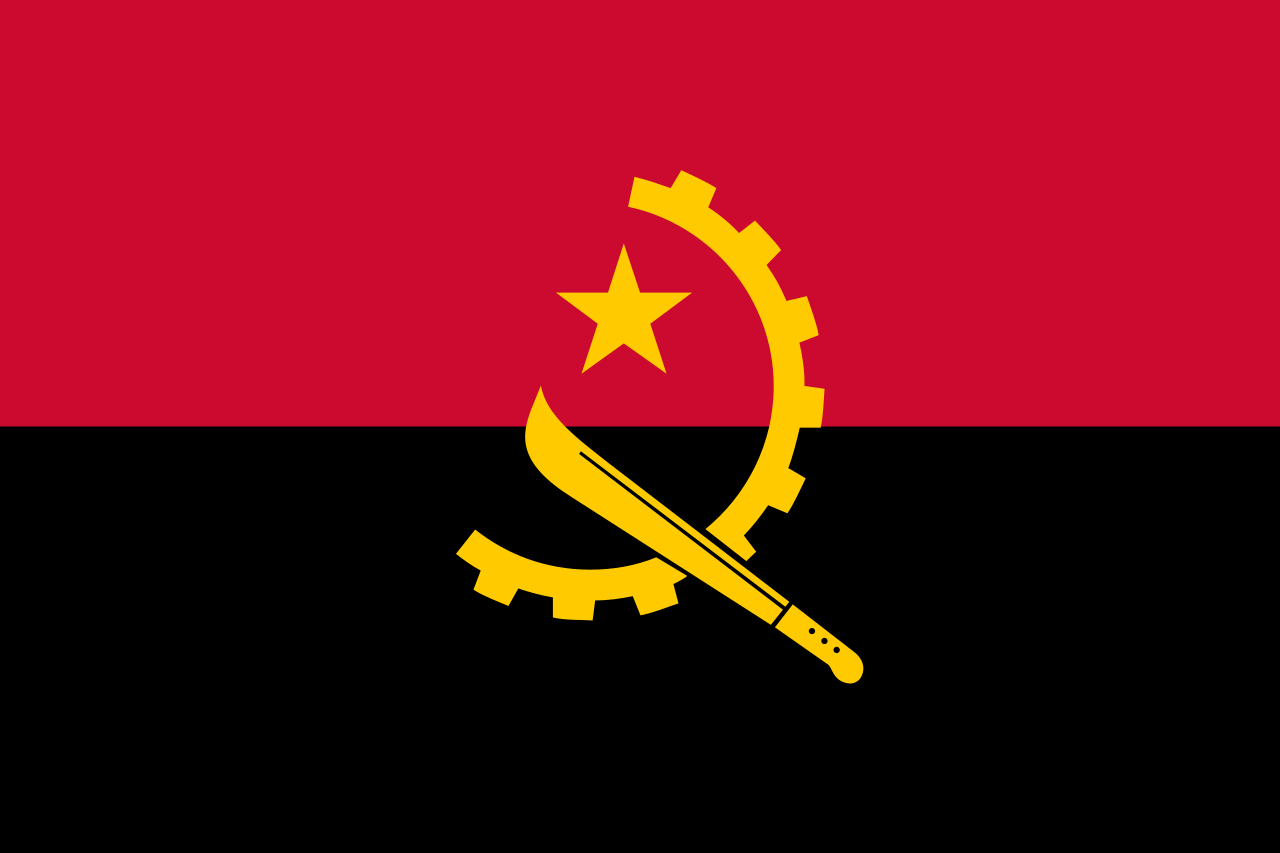
As a country with a tumultuous history, Angola has faced numerous challenges in the realm of agriculture, including coffee cultivation. Historically, Angola was a significant player in the global coffee market, renowned for its Arabica beans. However, the civil war that ravaged the country for nearly three decades, from the mid-20th century until 2002, severely impacted the coffee industry. In recent years, efforts have been made to revive and rejuvenate Angola’s coffee sector, shedding light on the unique coffee profile that this African nation has to offer.
Angola’s coffee industry primarily centers around Arabica beans, which thrive in the country’s high-altitude regions, such as the mountains of Uige and Cabinda. The elevation, combined with the tropical climate, provides favorable conditions for the cultivation of high-quality coffee. The distinct terroir of Angola imparts unique characteristics to its beans, offering a potential niche in the global coffee market.
The flavor profile of Angolan coffee is influenced by the country’s diverse geography, including its mountainous landscapes and proximity to the Atlantic Ocean. Arabica beans from Angola often exhibit a medium body, bright acidity, and a flavor palette that can include fruity and floral notes. The slow maturation of the coffee cherries at higher altitudes contributes to the nuanced taste, offering a promising foundation for specialty coffee production.
Sustainability and ethical practices are becoming integral to Angola’s efforts to revive its coffee industry. NGOs, government initiatives, and private enterprises are working together to support smallholder farmers, implement environmentally friendly practices, and improve the overall quality of Angolan coffee. These efforts align with the global trend toward responsible and sustainable coffee production, adding value to Angolan beans in the eyes of environmentally conscious consumers.
While Angola is not yet a dominant force in the specialty coffee market, there is a growing recognition of its potential. Terms like “Angolan Arabica” and “Angolan single origin” are gradually gaining traction, reflecting the emerging interest in the distinct flavors that Angolan coffee can bring to the cup. As the industry continues to develop, Angola has an opportunity to position itself as a source of unique and high-quality Arabica beans.
The socio-economic impact of the coffee industry in Angola is noteworthy. Smallholder farmers, who form the backbone of coffee cultivation in the country, stand to benefit from the revitalization efforts. Increased investment, access to resources, and improved market linkages can contribute to the upliftment of local communities, aligning with the broader goals of sustainable development.
Angola’s coffee profile is a tale of resilience and revival. The country, once a prominent player in the global coffee market, is making strides to reclaim its position. The unique terroir, coupled with efforts to ensure sustainable and ethical practices, positions Angolan coffee as a promising contender in the specialty coffee arena. As the industry gains momentum, coffee enthusiasts have the opportunity to explore and appreciate the distinct flavors that Angola brings to the global coffee cup.
Navigating the Extraordinary Flavors of West Africa”
The Ivory Coast, located on the western coast of Africa, is widely recognized for its rich agricultural landscapes and vibrant culture. While cocoa has traditionally dominated the agricultural scene, the Ivory Coast is making strides in the world of coffee production, with a coffee profile that reflects the country’s unique terroir and the efforts of local farmers to establish a presence in the global coffee market.

The Ivory Coast’s coffee industry centers around the robusta variety, well-suited to the country’s tropical climate and low-altitude regions. The primary coffee-producing areas include regions like Daloa, Man, and Odienne. Unlike some other coffee-producing nations that focus on arabica beans, the Ivory Coast has embraced robusta, known for its bold flavor and higher caffeine content.
Robusta coffee from the Ivory Coast is characterized by its full body, low acidity, and a flavor profile that often includes notes of chocolate, nuttiness, and a hint of bitterness. The lower acidity and robust nature of the beans make Ivory Coast coffee an ideal choice for espresso blends, adding depth and intensity to the cup.
While robusta is the dominant variety, the Ivory Coast is also exploring the cultivation of arabica coffee in higher-altitude regions. This diversification aims to tap into the growing global demand for specialty and arabica coffees, allowing the Ivory Coast to broaden its offerings and cater to a wider range of consumer preferences.
Sustainability and ethical practices are gaining prominence in the Ivory Coast’s coffee industry. The government and various organizations are working to improve farming practices, support smallholder farmers, and promote environmentally friendly cultivation methods. Initiatives such as the National Coffee and Cocoa Council’s efforts to increase yields and enhance quality underscore the commitment to fostering a sustainable and vibrant coffee sector.
The Ivory Coast’s coffee profile is evolving, and terms like “Ivorian robusta” and “Ivory Coast coffee” are beginning to gain recognition in the global coffee market. While the country may not yet be synonymous with specialty coffee, the efforts to improve quality, sustainability, and flavor profiles suggest a promising future for Ivory Coast coffee on the international stage.
The socio-economic impact of the coffee industry in the Ivory Coast is significant, providing employment and income for a substantial portion of the population. Smallholder farmers play a crucial role in coffee cultivation, and ongoing initiatives seek to empower them with training, resources, and fair pricing structures.
Exploring the Extraordinary Diversity of East African Coffee
Tanzania, nestled on the eastern coast of Africa, is a country renowned for its stunning landscapes, including Mount Kilimanjaro and the Serengeti. Beyond its natural wonders, Tanzania has also made a significant mark on the global coffee scene, producing beans with a distinctive profile that reflects the country’s rich terroir, varied microclimates, and a commitment to quality.
Coffee cultivation in Tanzania is primarily concentrated in regions such as Arusha, Kilimanjaro, Mbeya, and the southern highlands. The elevation ranges from 800 to 2,000 meters, providing an ideal environment for the cultivation of high-quality Arabica coffee. The Bourbon and Kent varieties, among others, are commonly grown and contribute to the unique flavor profiles of Tanzanian coffee.
One of the defining characteristics of Tanzanian coffee is its bright acidity, medium body, and a diverse flavor palette that often includes notes of citrus, black tea, and sometimes winey undertones. The volcanic soils and varying altitudes contribute to the nuanced taste and aroma of Tanzanian coffee, providing a cup that stands out among the diverse offerings in the global coffee market.
Tanzania is known for its meticulous wet processing methods, where the cherries are fermented and washed to remove the pulp before drying. This process contributes to the cleanliness and vibrancy of Tanzanian coffees, allowing the inherent flavors of the beans to shine through. Additionally, the country is experimenting with natural processing methods, where the cherries are dried with the beans inside, offering a different and unique cup profile.
The distinct regions within Tanzania contribute their own flavor profiles to the overall diversity of Tanzanian coffee. Coffees from the slopes of Mount Kilimanjaro, for instance, are known for their bright acidity, full body, and citrusy notes. The southern highlands, including regions like Mbeya, produce coffees with a rich body, wine-like acidity, and a complex flavor profile that can include fruity and spicy notes.
Sustainability and ethical practices are gaining importance in Tanzania’s coffee industry. Many farms, including smallholder cooperatives, are adopting environmentally friendly farming practices and pursuing certifications such as Organic and Rainforest Alliance. This commitment to sustainability not only protects the delicate ecosystems but also aligns with the global trend of consumers seeking responsibly sourced and ethically produced coffee.
Tanzanian Peaberry coffee, a unique type where a single, small round bean develops instead of the usual two, has gained international acclaim. The Peaberry beans are known for their concentrated flavors and distinctive taste, making them a sought-after specialty offering. Terms like “Tanzanian Peaberry” and “Tanzanian single origin” have become synonymous with quality and uniqueness in the specialty coffee market.
The socio-economic impact of the coffee industry in Tanzania is significant, providing livelihoods for a large portion of the population. However, challenges such as market access, infrastructure, and fluctuating commodity prices remain, underscoring the need for continued support and investment in the sector.
As coffee enthusiasts seek new and distinctive flavors, Tanzanian coffee beckons with its diverse and complex profiles. Each cup offers a sensory journey through the landscapes of this East African nation, inviting consumers to savor the flavors and aromas that reflect the dedication of Tanzanian farmers and the potential for the country to become a prominent player in the specialty coffee arena. Whether enjoyed in a pour-over, espresso, or as part of a carefully crafted blend, Tanzanian coffee encapsulates the essence of its unique terroir and the craftsmanship of its coffee producers.
Unlocking the Extraordinary Flavors of African Coffee Elegance
Burundi, a small landlocked country nestled in the heart of East Africa, is making a significant mark on the global coffee stage with its unique and flavorful coffee beans. Known for its lush landscapes, high altitudes, and commitment to quality, Burundi’s coffee industry is gaining recognition for the distinctive characteristics that its beans bring to the cup.
Coffee cultivation in Burundi is primarily centered in the Ngozi, Kayanza, and Kirundo regions, where the combination of volcanic soils, elevations ranging from 1,200 to 2,000 meters, and a favorable climate create optimal conditions for growing high-quality Arabica coffee. The Bourbon variety, a cultivar known for its excellent cup quality, is prevalent in Burundi and contributes to the unique flavor profile of its coffee.
One of the defining features of Burundi coffee is its bright acidity, medium body, and flavor palette that often includes notes of fruity and floral elements. The beans undergo meticulous wet processing, involving fermentation and washing, which contributes to the clean, vibrant, and well-balanced flavors that define Burundi coffee.
The altitude and climate in Burundi play a crucial role in shaping the character of its coffee. The cool nights and warm days contribute to the slow maturation of the coffee cherries, allowing for a more developed and nuanced flavor profile. The combination of terroir, varietals, and processing methods results in coffees that exhibit complexity and depth appreciated by discerning coffee enthusiasts.
The commitment to sustainability and ethical practices is gaining prominence in Burundi’s coffee industry. Many coffee farmers in the region are smallholders, and initiatives promoting environmentally friendly farming practices, fair wages, and community development are becoming integral to the industry. This aligns with the global trend of consumers seeking responsibly sourced and ethically produced coffee.
The recognition of Burundi coffee as a specialty offering is growing steadily, and terms like “Burundi Bourbon coffee” and “Burundi single origin” resonate with coffee connoisseurs seeking unique and high-quality beans. The Bourbon variety, with its genetic diversity and adaptability to different microclimates, contributes to the nuanced flavors and exceptional cup profiles of Burundi coffees.
The unique processing methods also contribute to the distinctiveness of Burundi coffee. While wet processing is common, some coffees undergo natural processing, where the cherries are sun-dried with the beans still inside. This method imparts additional sweetness and complexity to the cup, making Burundi coffees stand out in the specialty coffee market.
The socio-economic impact of the coffee industry in Burundi is significant, providing livelihoods for a substantial portion of the population. However, challenges such as limited access to resources and market fluctuations remain, highlighting the need for continued support and investment in the sector.
As consumers become more attuned to the stories behind their coffee cups, the unique profile of Burundi coffee invites exploration and appreciation. Each sip is a journey through the hills and valleys of this East African nation. This sensory experience reflects the dedication of its farmers and the potential for Burundi to become a prominent player in the world of specialty coffee. Whether enjoyed in a pour-over, espresso, or as part of a carefully crafted blend, Burundi coffee offers a taste of the country’s essence and an invitation to savor the flavors of this emerging coffee origin.
Aromas from the Vanilla Isles
Madagascar, the exotic island nation nestled in the Indian Ocean, is not only renowned for its biodiversity and unique ecosystems but is also gaining recognition for its distinctive coffee. The coffee industry in Madagascar is a testament to the island’s rich terroir, sustainable farming practices, and the commitment of local farmers to produce high-quality beans that capture the essence of this enchanting land.
Coffee cultivation in Madagascar is primarily centered around the regions of Ambanja, Antsiranana, and Sambirano, where the fertile soils, varying altitudes, and tropical climate create an ideal environment for growing Arabica coffee. The Bourbon variety, a cultivar known for its unique flavor characteristics, is prevalent in Madagascar and contributes to the distinct taste profile of its coffee beans.
One of the defining features of Madagascar coffee is its vibrant acidity, medium body, and a flavor palette that often includes fruity and floral notes. The beans benefit from the island’s diverse microclimates, ranging from humid lowlands to cooler highlands, which add layers of complexity to the coffee’s taste. The Sambirano Valley, in particular, is recognized for producing some of the finest coffees in Madagascar.
Sustainable and organic farming practices have gained prominence in Madagascar’s coffee industry. Many farmers adhere to environmentally friendly methods, avoiding the use of synthetic pesticides and fertilizers. This commitment to sustainability aligns with the global trend towards conscious and ethical coffee consumption, making Madagascar coffee an attractive choice for environmentally conscious consumers.
The unique post-harvest processing methods employed in Madagascar contribute to the exceptional quality of its coffee. The “dry method” or natural processing, where coffee cherries are sun-dried with the beans still inside, is a common practice. This process allows the beans to absorb the natural sugars from the cherry, resulting in a distinctive sweetness and fruit-forward flavor profile in the cup.
The recognition of Madagascar coffee as a specialty offering is growing, and terms like “Madagascar Bourbon coffee” and “Madagascar single origin” are becoming increasingly familiar to coffee enthusiasts. The Bourbon variety, combined with the island’s diverse geography and traditional cultivation practices, results in a coffee that stands out in the ever-expanding world of specialty coffees.
The socio-economic impact of the coffee industry in Madagascar is noteworthy. Many coffee farms in the region are smallholder-owned, and the cultivation of coffee provides livelihoods for local communities. As the demand for high-quality, unique coffees continues to rise, the success of Madagascar’s coffee sector has the potential to positively impact the lives of farmers and contribute to the sustainable development of the region.
Exploring Madagascar coffee is not just a sensory experience; it’s a journey into the heart of this mystical island. Each cup tells a story of the rich biodiversity, the dedication of local farmers, and the vibrant culture of Madagascar. Whether enjoyed as a pour-over, espresso, or in a carefully crafted blend, Madagascar coffee offers a taste of the island’s essence, inviting coffee lovers to embark on a flavorful adventure through this tropical paradise.