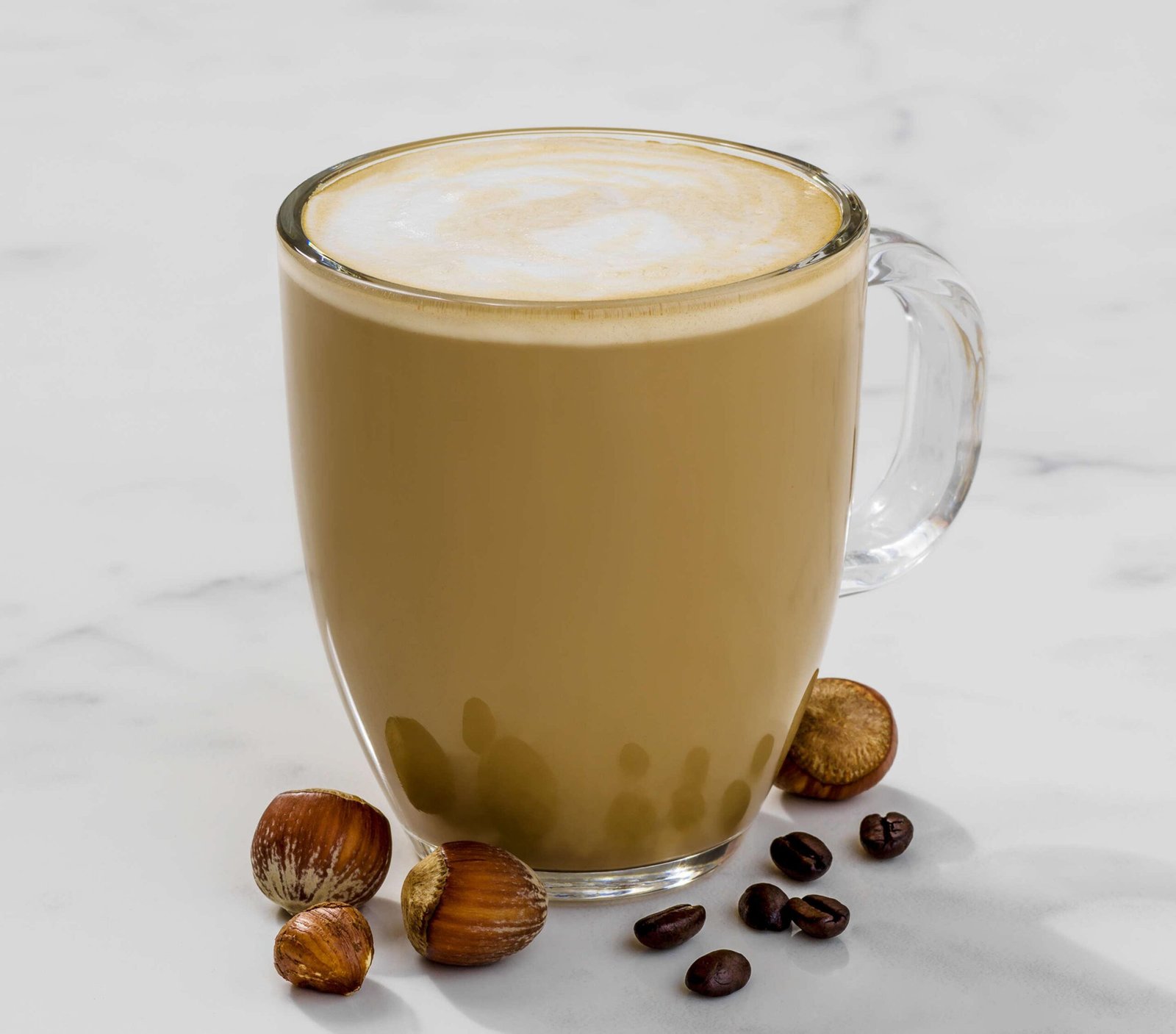
A Deep Dive into the Bold and Intense World of this Coffee Elixir
Espresso, a concentrated and robust coffee beverage, has become a symbol of rich coffee culture around the world. Originating in Italy, this small but potent shot of coffee has evolved into a global sensation, captivating the palates of coffee enthusiasts and connoisseurs alike.
The essence of espresso lies in its preparation. Unlike other brewing methods, espresso is crafted by forcing hot water through finely-ground coffee under high pressure. This process extracts the flavors, oils, and aromas from the coffee beans, resulting in a concentrated and intense shot of espresso. The finely tuned balance of factors such as grind size, water temperature, and pressure is crucial in achieving the perfect extraction.
One hallmark of a well-made espresso is the layer of golden crema that crowns the shot. This frothy and aromatic crema is a testament to the freshness of the coffee beans and the precision of the brewing process. It encapsulates the essence of the coffee, providing a delightful visual and olfactory experience before the first sip.
Espresso’s flavor profile is a symphony of intense and complex notes. The concentrated nature of the brew intensifies the coffee’s inherent characteristics, bringing forth a bold and full-bodied taste. The discerning palate can detect nuances of bitterness, sweetness, acidity, and a lingering aftertaste that varies depending on the coffee beans’ origin and roast.
Beyond its sensory allure, espresso plays a pivotal role in various coffee-based beverages. It serves as the foundation for classics like cappuccinos, lattes, and Americanos. The skilled barista, akin to an artist, uses the espresso shot as a canvas to create a myriad of coffee masterpieces, each tailored to suit individual preferences.
Espresso culture extends beyond the beverage itself, encompassing the rituals and social aspects associated with its consumption. The café, with its distinctive aroma of freshly ground coffee, serves as a communal space where people gather to savor their espresso and engage in conversation. Whether in the bustling streets of Rome or a quaint coffee shop in Paris, the act of enjoying an espresso transcends mere caffeine intake; it becomes a shared experience, a moment of connection.
The rise of specialty coffee culture has further elevated the appreciation of espresso. Coffee aficionados seek out single-origin beans, meticulously roasted to perfection, to unlock new dimensions of flavor in their espresso. The pursuit of the ideal shot has given rise to a global community of coffee enthusiasts who exchange brewing techniques, tasting notes, and a genuine passion for the art of espresso.
In the fast-paced modern world, espresso has found its place as a quick and invigorating pick-me-up. The convenience of a swift shot of espresso has made it a staple in the daily routines of many, providing a concentrated burst of energy and flavor that transcends cultural boundaries.
In conclusion, espresso stands as a testament to the marriage of science and art in the world of coffee. From its humble beginnings in Italian cafes to its global prevalence today, espresso has evolved into a symbol of craftsmanship and community. Whether enjoyed solo for its intense flavor or as the base for a myriad of coffee creations, espresso continues to captivate and unite coffee lovers worldwide.
A Guide to Making Drip Coffee at Home
For many coffee lovers, the familiar aroma of freshly brewed drip coffee is the comforting start to their day. Drip coffee, made using a simple yet effective method, is a versatile and convenient way to enjoy a consistently delicious cup of coffee. In this guide, we’ll explore the step-by-step process of making drip coffee at home, ensuring you can savor the rich flavors and enticing aromas in every sip.

- Drip coffee maker
- Coffee filter (paper or metal)
- Coffee grinder
- Freshly roasted coffee beans
- Water kettle or similar for boiling water
- Mug or carafe to collect brewed coffee
Steps to Make Drip Coffee
Start with high-quality, freshly roasted coffee beans. Opt for beans that match your preferred flavor profile, whether it’s a medium roast with balanced acidity or a dark roast with robust, smoky notes.
Measure the coffee grounds according to your taste preferences and the strength you desire. A standard ratio is about 1 to 2 tablespoons of coffee grounds for every 6 ounces of water. Adjust based on your preference. Grind the coffee beans just before brewing to preserve freshness. For drip coffee, use a medium grind – resembling coarse sand. The grind size influences the extraction process and the overall flavor of your coffee.
Fill the water reservoir of your drip coffee maker with clean, filtered water. The quality of the water directly affects the taste of your coffee, so use filtered water if possible. Place a coffee filter (paper or metal) into the designated basket of your coffee maker. If you’re using a paper filter, it’s advisable to rinse it with hot water to remove any paper taste and preheat the coffee maker.
Add the measured coffee grounds to the filter. Ensure an even distribution to promote uniform extraction. Turn on your drip coffee maker and let it work its magic. As the water heats up, it will flow through the coffee grounds, extracting the flavors and aromas.
Once the brewing process is complete, carefully remove the coffee pot or carafe from the hot plate. Pour yourself a cup and savor the enticing aroma as you do. Feel free to customize your drip coffee with your preferred additions. Whether you enjoy it black, with a splash of milk, or a hint of sweetener, drip coffee is a versatile canvas for personalization.
The key to great drip coffee is starting with high-quality, freshly ground beans. Regularly clean your coffee maker and components to prevent the buildup of coffee oils and residue, ensuring a clean and flavorful brew. Water temperature is crucial for proper extraction. Aim for water between 195–205°F (90–96°C) for optimal results. Adjust the coffee-to-water ratio to suit your taste preferences. Experimentation is key to finding your perfect cup. Preserve the freshness of your coffee beans by storing them in an airtight container in a cool, dark place.
Brewing drip coffee at home is a straightforward yet rewarding process. With the right ingredients, equipment, and a bit of personalization, you can elevate your morning routine with a cup of rich, flavorful drip coffee. Embrace the simplicity and versatility of this brewing method, and enjoy the pleasure of a perfectly brewed cup in the comfort of your own home.
The Art of Cold Brew Coffee and How to Craft the Perfect Batch
Cold brew coffee is a method of brewing coffee in which coarse coffee grounds are steeped in cold or room-temperature water for an extended period, typically 12 to 24 hours. This slow extraction process results in a coffee concentrate that is later diluted with water or milk before serving. Cold brew coffee is known for its smooth, less acidic flavor profile and is often served over ice.
Here’s a basic overview of how cold-brew coffee is made:
- Coarse Grinding: Coffee beans are coarsely ground to maximize surface area and facilitate the extraction process.
- Steeping: The coarsely ground coffee is combined with cold or room-temperature water in a container. The coffee and water mixture is left to steep for an extended period, allowing the flavors to slowly extract from the coffee grounds.
- Straining: After the steeping period, the coffee grounds are filtered out. This can be done using a fine mesh sieve, cheesecloth, or a specially designed cold brew coffee maker.
- Dilution and Serving: The resulting coffee concentrate is often diluted with water, milk, or a milk alternative before serving. It can be poured over ice and sweetened according to individual taste preferences.
Key characteristics of cold brew coffee include:
- Smooth Flavor: Cold brew coffee tends to have a smoother, less bitter taste compared to traditional hot-brewed coffee. The slow extraction process results in a milder and less acidic beverage.
- Strength: Cold brew is typically more concentrated than regular coffee, so it’s often diluted before consumption.
- Refreshing Quality: Served over ice, cold brew is a popular choice for a refreshing and energizing cold coffee beverage, especially during warmer weather.
Cold brew coffee has gained popularity for its unique taste and the ability to highlight the nuanced flavors of different coffee beans. It has become a staple in many coffee shops and is also commonly made at home by coffee enthusiasts.
The Art of Balancing Espresso and Microfoam
A flat white is a popular espresso-based coffee drink that originated in Australia or New Zealand, and its precise origin is a matter of debate between the two countries. It’s characterized by the combination of espresso and steamed milk, creating a beverage with a velvety microfoam on top.
Here’s how a flat white is typically made:
- Espresso Shot(s): A standard flat white consists of one or more shots of espresso. The number of shots may vary based on personal preference and the size of the drink.
- Microfoam: The distinguishing feature of a flat white is its microfoam. Microfoam is steamed milk with very fine, velvety bubbles, creating a smooth and creamy texture. The milk used in a flat white is typically steamed to a temperature that enhances its sweetness.
- Pouring Technique: The microfoam is poured over the espresso shots using a specific pouring technique. The goal is to create a balanced ratio of coffee to milk, with the creamy microfoam blending seamlessly with the espresso.
The result is a coffee beverage that is stronger than a traditional latte due to the higher coffee-to-milk ratio and smoother than a cappuccino because of the velvety microfoam.
The flat white has gained popularity in various parts of the world and is often appreciated for its rich flavor, strong coffee kick, and silky texture. It has become a staple on the menu of many coffee shops and is enjoyed by those who prefer a balance between the intensity of espresso and the creaminess of steamed milk.
Macchiato Magic: A Guide to the Art of Crafting and Enjoying This Espresso Marvel
In the diverse world of coffee, the macchiato stands out as a small yet mighty powerhouse, capturing the essence of simplicity and boldness in a single cup. Originating from Italy, the term “macchiato” translates to “stained” or “spotted,” signifying the addition of a touch of milk to a shot of espresso. Join us as we explore the charm of the macchiato and guide you through the steps to master the preparation of this nuanced and satisfying coffee creation.

At the heart of a macchiato is a foundation of pure and unadulterated espresso. Typically consisting of one or two shots, the espresso in a macchiato is robust and concentrated, allowing the rich flavor of the coffee beans to shine through. What distinguishes a macchiato is the addition of a small amount of milk. The purpose is not to dilute the espresso but to add a subtle creaminess and balance to the flavor profile. The milk is steamed to create a microfoam, creating a velvety texture without overshadowing the boldness of the espresso.
1. Espresso Extraction: Begin by pulling one or two shots of espresso using your preferred espresso machine. The quality of the espresso is paramount, so choose a high-quality coffee bean and ensure a fine grind for optimal extraction.
2. Steaming the Milk: Steam a small amount of milk to create a microfoam. The ideal temperature for steamed milk in a macchiato is around 150–160°F (65–71°C). Aim for a smooth and velvety texture that complements the intensity of the espresso.
3. Assembling the Macchiato: Pour the shots of espresso into a demitasse cup. Using a spoon to control the flow, gently add a small amount of steamed milk to the espresso. The goal is to create a “stain” or “mark” on the espresso, enhancing its richness without overwhelming it with milk.
Serve your macchiato in a small cup, allowing the contrast between the dark espresso and the light stain of milk to be visually appreciated. The result is a small but mighty beverage that balances the boldness of espresso with a hint of creaminess. For a sweet twist, consider adding a drizzle of caramel syrup on top of the microform. Infuse the steamed milk with a touch of vanilla syrup for a fragrant and flavored macchiato.
The macchiato is a testament to the beauty of simplicity in the world of coffee. Crafting the perfect macchiato at home allows you to savor the boldness of espresso with a subtle touch of creaminess. So, embrace the art of macchiato-making, experiment with variations to suit your taste, and revel in the delightful simplicity of this espresso marvel – a small but powerful statement in a cup.
Cappuccino Craftsmanship: A Guide to Preparing and Savoring the Perfect Cup
In the world of coffee, the cappuccino stands as a timeless and elegant classic, celebrated for its harmonious balance of bold espresso, velvety steamed milk, and a crown of airy foam. This beloved Italian creation has transcended its cultural origins to become a global favorite, offering a luxurious and comforting experience with every sip. Join us as we explore the artistry of cappuccino and guide you through the steps to master the preparation of this iconic coffee indulgence in the comfort of your own home.
Espresso Excellence: At the core of a cappuccino lies a foundation of rich and intense espresso. Traditionally, a cappuccino is made with one or two shots of espresso, providing a robust and concentrated coffee flavor. The quality of the espresso is paramount, as it sets the stage for the layers of flavor to follow.
Steamed Milk Mastery: The second layer of a cappuccino is velvety steamed milk. The milk is steamed to create a creamy and luxurious texture, enhancing the overall sweetness of the drink. The goal is to achieve a consistency that complements the boldness of the espresso without overpowering it.
Frothy Foam Finale: What defines a cappuccino is the addition of frothy foam. This foam is created by aerating the milk during the steaming process, incorporating microbubbles that give the cappuccino its signature airy texture. The foam is then carefully poured over the espresso and steamed milk, creating a crown on top of the cup.
Mastering the Cappuccino Preparation
1. Espresso Extraction: Begin by pulling one or two shots of espresso using your preferred espresso machine. The grind size and quality of coffee beans play a crucial role in the extraction process, influencing the depth and richness of the espresso.
2. Steaming the Milk: Steam the milk until it reaches a creamy and velvety consistency. The ideal temperature for steamed milk is around 150–160°F (65–71°C). Focus on creating a smooth, consistent texture that will blend seamlessly with the espresso.
3. Frothing the Foam: Continue steaming the milk to create frothy microfoam. The foam should have a light, airy consistency with a glossy appearance. This frothy foam is the finishing touch that elevates the cappuccino to a new level of indulgence.
4. Assembling the Layers: Pour the steamed milk over the espresso, holding back the foam with a spoon. Once the cup is nearly full, spoon the frothy microfoam on top. The result should be a harmonious combination of espresso, steamed milk, and a cloud-like layer of foam.
Serve your cappuccino in a pre-warmed cup to maintain its temperature. The layered effect of the cappuccino not only adds to its visual appeal but also ensures that each sip is a balanced blend of rich espresso, creamy steamed milk, and airy foam.
The cappuccino, with its delicate layers and perfect harmony of flavors and textures, is a testament to the artistry of coffee preparation. Crafting the perfect cappuccino at home allows you to savor the luxurious experience of this iconic beverage. So, embrace the precision of cappuccino-making, experiment with ratios to suit your taste, and revel in the indulgence of a well-crafted cappuccino – a symphony in a cup.