
The Irreproducible Elixir: Savoring the Unrepeatable Symphony of Coffee

In the world of coffee aficionados, the pursuit of the perfect cup is a perpetual journey—a quest that often borders on the mystical. Yet, imagine a scenario where you stumble upon a transcendent brew, a cup of coffee so extraordinary that it seems like a fleeting encounter with a shooting star. The catch? You can never replicate that exact cup again. Welcome to the realm of the irreproducible elixir—a single moment of coffee brilliance that becomes a cherished memory.

The Quest for Perfection: A Coffee Odyssey

Coffee lovers often find themselves in a quest for the holy grail of coffee brewing, fine-tuning every variable from bean selection and grind size to water temperature and brewing time. In this meticulous dance, the goal is to unlock the full potential of the coffee beans and create a cup that transcends the ordinary.

The Magical Brew: A Serendipitous Encounter

Picture this: you wake up one morning, stumble into the kitchen, and decide to experiment with a new coffee bean you picked up on a whim. The grind size is perfect, the water temperature just right, and the brewing time is an exquisite dance. As you take that first sip, time seems to stand still. The flavors are a harmonious blend of nuttiness, fruitiness, and a subtle hint of chocolate. This, you realize, is the cup you’ve been chasing—an ephemeral elixir that surpasses all expectations.

Chasing Shadows: The Inability to Recreate

Now, here’s the catch: try as you might, you can never recreate that exact cup of coffee. It becomes a moment frozen in time, a unique blend of circumstances and variables that align perfectly. The grind size, the water temperature, the freshness of the beans—these are elements that can never be replicated in precisely the same way again.

Embracing Impermanence: The Beauty of the Unrepeatable

While it may seem like a cruel twist of fate for the coffee enthusiast, there’s a certain beauty in the unrepeatable. It’s a reminder that the world of coffee is dynamic, ever-changing, and filled with surprises. Each cup is a unique experience, a snapshot of a particular moment in your coffee journey that can never be duplicated.

The Joy of Discovery: Celebrating Diversity

Rather than lamenting the inability to recreate that perfect cup, perhaps it’s worth celebrating the diversity and unpredictability of the coffee world. Every cup becomes an adventure, an exploration of flavors and aromas that unfold differently each time you brew.

Conclusion: A Sip of Transcendence

In the world of coffee, perfection is a fleeting muse, and the pursuit of the ideal brew is a journey filled with twists and turns. So, embrace the serendipity of that one unforgettable cup—a sip of transcendence that lingers in your memory, reminding you that sometimes, the most magical moments are the ones that can never be repeated. In the pursuit of the perfect cup, cherish the unrepeatable elixirs that make your coffee journey uniquely yours.

Coffee, often hailed as the elixir of the morning routine, is a beverage that transcends cultures and brings people together. While the coffee bean itself is undeniably a star in this symphony of flavors, it’s the unsung hero, water, that plays a crucial role in extracting the magic from those aromatic grounds. Understanding the importance of water in preparing coffee is essential for unlocking the full spectrum of flavors that coffee beans have to offer.

Coffee beans are composed of numerous compounds, including soluble and insoluble elements. Water, acting as a solvent, plays a vital role in extracting the soluble compounds from coffee grounds. The heat of the water facilitates the dissolution of sugars, acids, oils, and aromatic compounds, turning a handful of coffee grounds into a rich, flavorful elixir.

The quality of water used in coffee preparation is often underestimated. Minerals in water, such as calcium and magnesium, contribute to the extraction process and affect the taste and mouthfeel of the coffee. Conversely, impurities or off-flavors in water can negatively impact the final brew. It’s essential to use clean, filtered water to ensure that the natural flavors of the coffee beans shine through without interference from undesirable elements.

Water temperature during brewing is a critical factor influencing the flavor profile of coffee. Water that is too hot can lead to over-extraction, resulting in a bitter and astringent taste, while water that is too cold may under-extract, producing a flat and sour brew. Achieving the optimal water temperature—usually between 195°F to 205°F (90°C to 96°C)—allows for the extraction of desirable flavors while maintaining balance.

Coffee’s enticing aroma is a symphony of volatile compounds released during the brewing process. The interaction between water and coffee grounds releases these volatile aromatics, creating the delightful fragrance that wafts through kitchens and cafes alike. The proper water-coffee ratio and brewing time contribute to the release of these aromatic compounds, enhancing the overall sensory experience.

The mouthfeel, or body, of coffee refers to its perceived weight and thickness on the palate. The minerals in water contribute to this aspect, influencing the extraction of oils and compounds that give coffee its full-bodied character. The right water composition helps create a well-rounded and satisfying mouthfeel, elevating the overall drinking experience.

In the intricate world of coffee preparation, water takes center stage as the conductor of flavors, aromas, and textures. As coffee enthusiasts embark on the quest for the perfect cup, understanding the importance of water becomes paramount. From extraction to aroma release, water is the medium through which coffee beans express their symphony of flavors. So, the next time you savor that morning brew, take a moment to appreciate the silent partner in this delightful dance—the water that transforms humble coffee grounds into a liquid gold elixir.

Cream for Your Coffee

Homemade half-and-half is a simple solution when you don’t have this dairy product readily available or if you prefer a fresher, homemade option. Half-and-half is typically made by combining equal parts of whole milk and heavy cream. Here’s a straightforward method for making homemade half-and-half:

Ingredients:

  1. Choose Your Ratios:
    • Decide on the ratio of milk to cream based on your preference. Traditional half-and-half has equal parts of both, but you can adjust the ratio according to your taste and dietary preferences.
  2. Measure Ingredients:
    • For a standard half-and-half, measure an equal amount of whole milk and heavy cream. For example, if you need 1 cup of half-and-half, use 1/2 cup of whole milk and 1/2 cup of heavy cream.
  3. Combine:
    • In a bowl or a container with a pouring spout, combine the measured amounts of whole milk and heavy cream.
  4. Mix Thoroughly:
    • Use a whisk or a spoon to mix the milk and cream thoroughly. Ensure that the mixture is well combined.
  5. Store:
    • Transfer the homemade half-and-half to a clean and airtight container. Refrigerate until ready to use.
  6. Shake Before Use:
    • Before using the homemade half-and-half, give it a good shake or stir. This ensures that the milk and cream are well-blended, especially if there has been any separation during storage.
  7. Use in Recipes:
    • Use your homemade half-and-half as a substitute for store-bought half-and-half in recipes, coffee, tea, or any other application where you would typically use this dairy product.

Tips:

By making your own half-and-half at home, you have control over the freshness of the ingredients and can customize the ratio to suit your taste preferences. Homemade half-and-half can be a versatile addition to your kitchen, whether you’re using it in cooking, baking, or enjoying it in your daily cup of coffee.

A Guide to the Irresistible Delight of Light Roast

Light roast coffee beans are known for their bright acidity, complex flavor profiles, and the retention of the distinct characteristics of the coffee’s origin. When selecting coffee for a light roast, you might want to choose beans that highlight these qualities. Here are some types of coffee that are generally well-suited for light roasting:

  1. Ethiopian Coffees:
    • Yirgacheffe: Known for its floral and fruity notes, Yirgacheffe coffees from Ethiopia often have a bright acidity and a tea-like quality.
    • Sidamo: Coffees from the Sidamo region also exhibit floral and citrusy notes, making them excellent choices for light roasting.
  2. Kenyan Coffees:
    • Kenyan AA: Kenya produces coffees with a bold acidity, full body, and wine-like flavors. Light roasting can accentuate the bright acidity and fruity characteristics.
  3. Central American Coffees:
    • Costa Rican Tarrazú: Costa Rican coffees are often characterized by a bright acidity with citrus and berry notes.
    • Guatemalan Antigua: Coffees from Antigua are known for their full body, bright acidity, and complex flavor profile with hints of chocolate and spice.
  4. Panama Geisha:
    • Geisha is a prized and often expensive coffee variety. It’s known for its unique floral and tea-like qualities. Light roasting helps preserve its delicate flavors.
  5. Colombian Coffees:
    • Colombian Supremo: Colombian coffees are well-balanced with a bright acidity and medium body. Light roasting can enhance their nuanced flavor profile.
  6. Brazilian Coffees (high-altitude):
    • Some Brazilian coffees grown at higher altitudes can offer a pleasant acidity and interesting flavor notes. Look for beans from regions like Minas Gerais.
  7. Panama Boquete:
    • Boquete coffees from Panama are often grown at high altitudes and can exhibit a bright acidity, floral notes, and a smooth body.

It’s important to note that individual preferences vary, and experimentation is key. Light roasts may not be suitable for everyone, as they tend to have a more pronounced acidity and lighter body compared to medium or dark roasts. Additionally, the specific processing methods and varietals within each region can greatly influence the flavor profile of the coffee. If possible, explore single-origin coffees to fully appreciate the unique characteristics of each bean.

Unveiling the Rich Nuances of a Medium Roast Delight”

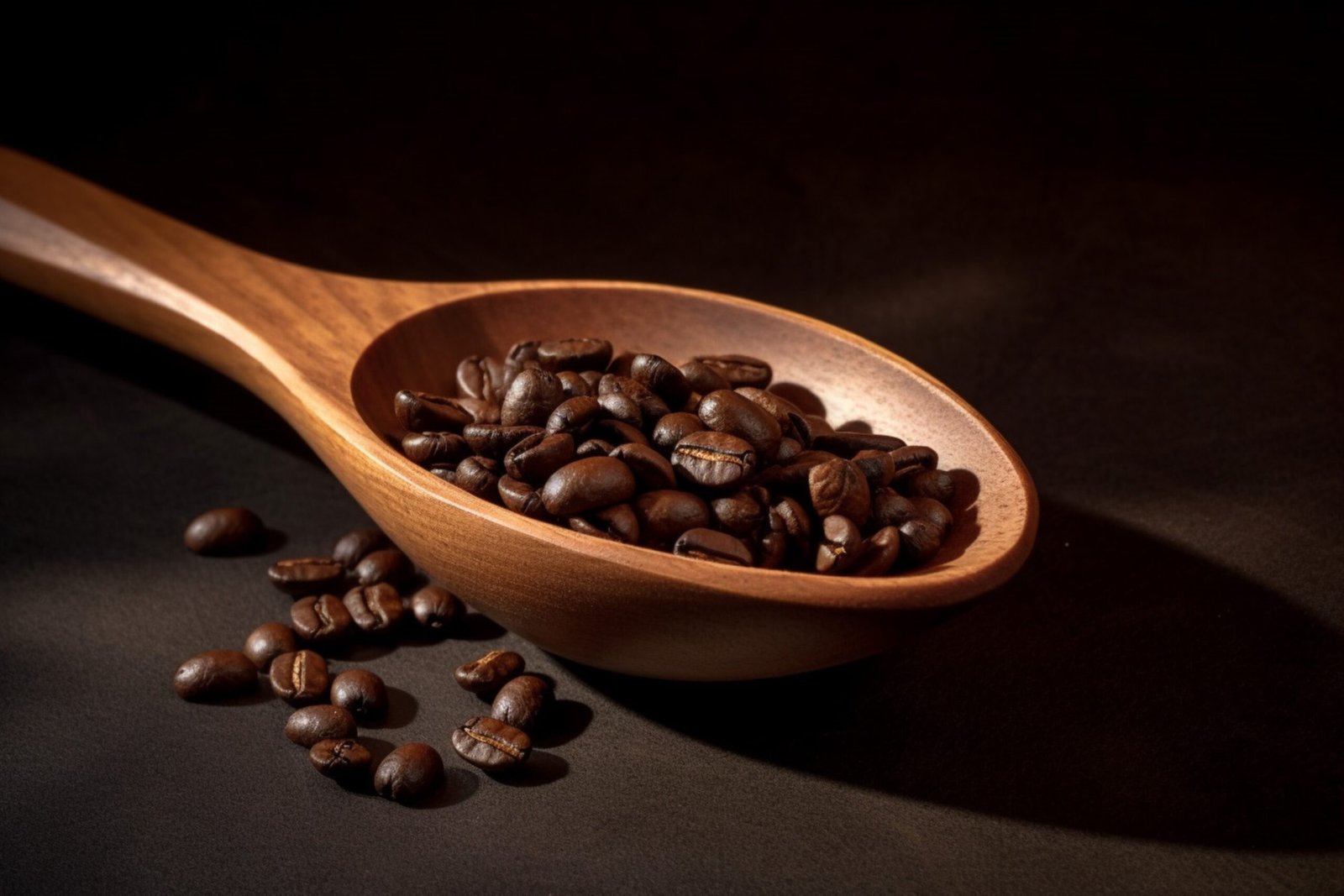
Medium roast coffee offers a balanced flavor profile with a combination of acidity, body, and nuanced flavors. Many coffee beans can work well with a medium roast, providing a versatile and approachable cup of coffee. Here are some types of coffee that are commonly enjoyed as medium roasts:
  1. Colombian Coffees:
    • Colombian coffees are often associated with medium roasts. They typically offer a well-balanced cup with medium acidity, a medium body, and a range of flavors from nutty to fruity.
  2. Brazilian Coffees:
    • Brazilian coffees, especially those from regions like Minas Gerais, can be well-suited for medium roasting. They often have a mellow acidity, a chocolatey sweetness, and a medium body.
  3. Sumatran Coffees:
    • Sumatra Mandheling or Sumatra Gayo coffees can provide a medium roast with a full body, low acidity, and earthy, herbal, or spicy notes.
  4. Costa Rican Coffees:
    • Costa Rican coffees, especially from regions like Tarrazú, are versatile and can be roasted to a medium level, producing a cup with balanced acidity and a variety of flavors, including citrus and chocolate.
  5. Mexican Coffees:
    • Mexican coffees, such as those from Chiapas, can offer a medium-bodied cup with mild acidity and flavors ranging from nutty to fruity.
  6. Guatemalan Coffees:
    • Guatemalan Antigua coffees, known for their balance and complexity, can be roasted to a medium level. This highlights their bright acidity, floral notes, and hints of chocolate.
  7. Tanzanian Peaberry:
    • Tanzanian peaberry beans, which are known for their small, round shape, can be roasted to a medium level to bring out a well-balanced cup with fruity and wine-like notes.
  8. Peruvian Coffees:
    • Peruvian coffees, when roasted to a medium level, can exhibit a pleasant acidity, medium body, and flavors that range from floral to fruity.

Remember that the flavor profile of coffee can be influenced by factors such as altitude, processing methods, and varietals. Additionally, personal taste preferences play a significant role, so it’s always a good idea to experiment with different beans and roasts to find the medium roast that suits your palate.

Exploring the Exquisite Flavors of a Medium Dark Roast Coffee

Medium-dark roast coffee strikes a balance between the characteristics of medium roasts and the deeper, richer flavors associated with dark roasts. This roast level allows for the development of complex flavors while maintaining some of the inherent qualities of the coffee bean. Here are some types of coffee that are commonly enjoyed as medium-dark roasts:

  1. Sumatran Coffees:
    • Sumatra Mandheling and Gayo coffees can be roasted to a medium-dark level, bringing out a full body, low acidity, band earthy, spicy, or chocolatey notes.
  2. Sulawesi Toraja:
    • Coffee from the Toraja region in Sulawesi, Indonesia, can be roasted to a medium-dark level to highlight its full body, low acidity, and rich, chocolatey flavors.
  3. Brazilian Coffees:
    • Brazilian Santos or Bourbon beans, when roasted to a medium-dark level, can exhibit a smooth, full body with chocolate and nutty undertones.
  4. Colombian Coffees:
    • Colombian beans, particularly those with Supremo or Excelso classification, can handle a medium-dark roast, offering a rich cup with chocolate and caramel notes.
  5. Mexican Altura:
    • Mexican Altura beans, known for their high-altitude cultivation, can be roasted to a medium-dark level, resulting in a cup with a full body and flavors ranging from nutty to chocolatey.
  6. Costa Rican Coffees:
    • Costa Rican beans, especially from regions like Tarrazú, can be roasted to a medium-dark level to bring out a fuller body, with notes of chocolate, nuts, and a hint of brightness.
  7. Guatemalan Coffees:
    • Guatemalan beans, such as those from Antigua, can be roasted to a medium-dark level to emphasize their complex flavor profile, including cocoa, spice, and a rich body.
  8. Ethiopian Sidamo:
    • Sidamo beans from Ethiopia can be roasted to a medium-dark level, producing a cup with a balanced body, wine-like acidity, and hints of spice and fruit.

It’s essential to note that personal preference plays a significant role in choosing the right coffee for a medium-dark roast. Additionally, factors like bean quality, freshness, and brewing method can influence the final taste. Experimenting with different coffee origins and roast levels will help you find the perfect balance for your palate.