Exploring the Unique Flavor Profile of Maracaibo
Venezuela, known for its rich cultural tapestry and diverse landscapes, has quietly been making waves in the world of coffee production. The Venezuela coffee profile, particularly associated with the Maracaibo region, tells a compelling story of altitude, distinctive varieties, and a historical legacy that collectively contribute to a unique and exceptional flavor experience.
The Maracaibo region, situated in the northwestern part of Venezuela, offers an ideal environment for coffee cultivation. The coffee farms here are often perched at elevations ranging from 1,000 to 2,000 meters above sea level, harnessing the benefits of altitude for slow and optimal cherry maturation. This elevation factor is crucial in shaping the flavor profile, contributing to a bright acidity and nuanced taste in the coffee.
The proximity to Lake Maracaibo also plays a role in creating a microclimate that is conducive to coffee production. The cool breezes from the lake, coupled with the region’s rich soils, contribute to the distinct characteristics of the beans, setting Venezuelan coffee apart.
One of the key factors that contribute to the uniqueness of the Venezuela coffee profile is the cultivation of specific coffee varieties. The Maracaibo region is known for growing the Maragogipe and Criollo varieties, both celebrated for their exceptional quality and distinctive flavors.
Maragogipe, often referred to as the “elephant bean” due to its large size, produces a cup with a rich body and a unique sweetness. Criollo, on the other hand, is renowned for its complex flavor profile, often characterized by floral and fruity notes. The combination of these varieties, along with meticulous farming practices, results in a cup of coffee that is both intriguing and memorable.
Venezuela has a rich coffee heritage that dates back to the 18th century when coffee cultivation was introduced to the country. Maracaibo, in particular, became a hub for coffee production, and its beans gained international acclaim for their quality. However, political and economic challenges in the latter half of the 20th century posed significant obstacles to the industry.
In recent years, there has been a resurgence of interest and investment in Venezuela’s coffee sector. Producers are reviving old plantations, implementing modern farming techniques, and rekindling the historical legacy of Maracaibo coffee. This revitalization not only promises economic benefits but also serves as a tribute to the country’s coffee traditions.
The flavor profile of Venezuelan coffee is a delightful symphony of bright acidity, medium body, and a diverse range of tasting notes. Maracaibo coffee often exhibits a citrusy acidity, complemented by a sweetness reminiscent of caramel or chocolate. The Criollo variety contributes floral undertones and a complexity that adds depth to the overall flavor experience.
The balanced and nuanced profile makes Venezuelan coffee suitable for a variety of brewing methods, from espresso to pour-over, allowing coffee enthusiasts to explore and appreciate its intricate flavors.
Venezuela’s coffee profile, particularly in the Maracaibo region, is a testament to the country’s commitment to quality and its resilience in the face of challenges. The unique combination of geographical factors, distinctive varieties, and a renewed focus on heritage has positioned Venezuelan coffee as a rising star in the specialty coffee world. As the industry continues to evolve, the flavors of Maracaibo coffee not only captivate the palate but also carry forward the rich history and traditions of Venezuela’s coffee renaissance.
A Symphony of Flavor and Biodiversity
Nestled between Colombia and Peru, Ecuador stands as a burgeoning force in the world of specialty coffee. The Ecuador coffee profile is a captivating tale of elevation, diverse microclimates, and a commitment to sustainable agriculture that culminates in a symphony of flavors unique to this South American nation.
Ecuador’s diverse geography, marked by the towering peaks of the Andes, the lush Amazon rainforest, and the coastal lowlands, provides an ideal canvas for the cultivation of coffee. The coffee-producing regions, including Loja, Zamora-Chinchipe, and Pichincha, showcase the impact of altitude and microclimate on the flavor profile of Ecuadorian coffee.
The country’s coffee farms are situated at elevations ranging from 1,000 to 2,000 meters above sea level, contributing to a slow maturation process for the coffee cherries. This prolonged development allows for the creation of nuanced and complex flavors, often characterized by bright acidity, floral notes, and a distinctive sweetness.
Ecuador’s coffee industry is marked by a strong commitment to sustainability and environmental conservation. Many Ecuadorian coffee producers embrace agroforestry, cultivating coffee plants alongside native trees, which not only preserves biodiversity but also enhances the quality of the coffee beans.
Organic farming practices are widespread, with numerous farms obtaining certifications such as USDA Organic and Rainforest Alliance. This dedication to sustainable agriculture not only ensures the health of the environment but also contributes to the exquisite taste and purity of Ecuadorian coffee.
Ecuadorian coffee boasts a flavor profile that is both sophisticated and diverse. The high-altitude cultivation, combined with the country’s varied microclimates, results in a wide array of tasting notes. Commonly, Ecuadorian coffee exhibits a bright and lively acidity, making it an appealing choice for those who appreciate a vibrant cup.
Flavor notes may include floral undertones, reminiscent of jasmine or citrus blossoms, as well as a pronounced sweetness. Chocolatey and nutty nuances are also prevalent, offering a rich and well-rounded flavor experience. The combination of these elements creates a cup of coffee that is not only delicious but also complex and memorable.
Ecuadorian coffee cultivation is deeply entwined with the country’s cultural identity. Indigenous communities, such as the Kichwa and Shuar, have been cultivating coffee for generations, preserving traditional methods and passing down their agricultural wisdom. The cultural significance of coffee is evident in the rituals and ceremonies that surround its cultivation and consumption, making it an integral part of Ecuadorian heritage.
In every sip of Ecuadorian coffee, one can taste the culmination of geographical diversity, sustainable practices, and cultural heritage. The elevation, microclimates, and commitment to environmental stewardship converge to create a coffee profile that is both elegant and complex. As Ecuador’s coffee industry continues to gain recognition on the global stage, it is not only the flavor that captivates but also the story of a nation dedicated to producing exceptional coffee with a deep respect for its land and people.
A Symphony of Flavors in Peruvian Coffee Culture
Peru, nestled in the heart of the Andes Mountains, has emerged as a hidden gem in the world of coffee production. The Peru coffee profile is a compelling narrative that unfolds in the high-altitude regions of the country, where unique terroir, sustainable practices, and traditional cultivation methods converge to create a distinctive and flavorful coffee experience.
Peruvian coffee owes much of its character to the diverse landscapes that stretch across the Andean foothills. The country’s coffee plantations are often perched at elevations ranging from 1,200 to 2,200 meters above sea level. This high-altitude environment plays a pivotal role in shaping the flavor profile of Peruvian coffee beans.
The cooler temperatures at higher elevations result in a slower maturation process for the coffee cherries. This extended maturation imparts a vibrant acidity and complex flavor profile to the beans. Regions such as Chanchamayo and Cajamarca, with their mountainous terrain and cool climates, contribute to the unique attributes that set Peruvian coffee apart.
Peru’s commitment to sustainable and organic farming practices has become a defining feature of its coffee industry. Many Peruvian coffee farmers adhere to traditional cultivation methods, often passed down through generations, promoting biodiversity and environmental conservation. Agroforestry, where coffee plants are grown alongside native trees, is a common practice that not only preserves the ecosystem but also enhances the quality of the coffee.
Fair Trade and organic certifications are prevalent among Peruvian coffee producers, reflecting a dedication to ethical and environmentally friendly practices. This commitment extends beyond the farms to cooperative structures that empower local communities, creating a more equitable and sustainable coffee supply chain.
The flavor profile of Peruvian coffee is a harmonious blend of acidity, brightness, and a diverse range of tasting notes. The high-altitude cultivation contributes to a bright and crisp acidity, making Peruvian coffee particularly appealing to those who appreciate a lively and dynamic cup.
Tasting notes often include citrus, floral, and fruity undertones, reflecting the diverse microclimates of the Andean regions. Additionally, the shade-grown nature of many Peruvian coffee farms adds a layer of complexity to the flavor profile, with subtle nuances that can include chocolate, nutty, and herbal elements.
Peruvian coffee cultivation is deeply rooted in the country’s cultural fabric. Indigenous communities, such as the Quechua and Aymara, have been cultivating coffee for centuries, preserving traditional methods and passing down their knowledge through generations. This cultural connection is not only evident in the cultivation practices but also in the social impact of the coffee industry on local communities.
The Peru coffee profile is a testament to the symbiotic relationship between geography, sustainability, and cultural heritage. As coffee enthusiasts savor a cup of Peruvian coffee, they embark on a journey through the Andean highlands, experiencing the elevation, the dedication to sustainable practices, and the rich cultural tapestry that defines Peruvian coffee. In each sip, one can taste the commitment to quality, the respect for the environment, and the centuries-old traditions that make Peruvian coffee a truly unique and flavorful experience.
Unveiling the Elegance of Exceptional Coffee from the Isthmus
Panama, a slender strip of land connecting North and South America, has earned its place among the world’s top coffee-producing nations. The country’s coffee profile, distinguished by high-quality Arabica beans, reflects the unique terroir of its mountainous landscapes, volcanic soils, and a commitment to producing specialty coffees. Panama’s emergence as a coffee origin is marked by exceptional flavors and meticulous cultivation methods that elevate its standing in the global coffee market.
Boquete, located in the Chiriquí Highlands, is one of Panama’s most renowned coffee regions. Nestled near the Barú Volcano, Boquete benefits from high altitudes, rich volcanic soils, and a climate that fosters slow bean maturation. Coffees from Boquete are known for their bright acidity, medium body, and flavor profile that may include floral notes, citrus undertones, and a pleasant sweetness. The Boquete region has gained international acclaim, with its Geisha variety often regarded as one of the most sought-after and unique coffees globally.
Volcán, situated near the Barú Volcano in the Chiriquí Province, shares similar terroir characteristics with Boquete. The high altitudes and volcanic soils contribute to beans with a bright and vibrant acidity, a medium body, and a flavor palette that can include tropical fruit notes, jasmine, and a delicate tea-like quality. Volcán coffees showcase the diversity of tastes that Panama’s microclimates can produce.
The coffee processing methods in Panama are as meticulous as the cultivation itself. Many producers in the region utilize the washed process, emphasizing cleanliness and clarity of flavors. The cherries are carefully pulped, fermented, and washed to remove any residual mucilage before drying. This meticulous processing enhances the acidity and brightness of the beans, contributing to the overall quality of Panamanian coffee.
Sustainability is a key focus in Panama’s coffee industry, with many farmers adopting environmentally friendly practices. Shade-grown cultivation, organic farming, and certifications like Rainforest Alliance and Fair Trade are becoming increasingly common. These efforts align with the global trend toward responsible and ethically produced coffee, ensuring the long-term viability of the industry.
Panama’s coffee has gained international recognition, with terms like “Boquete coffee” and “Panama Geisha” resonating with coffee enthusiasts seeking high-quality and unique beans. The country’s coffees regularly receive high scores in international competitions, solidifying Panama’s reputation as a source of exceptional Arabica beans.
The socio-economic impact of the coffee industry in Panama is significant. Many smallholder farmers are engaged in coffee cultivation, contributing to the economic development of rural areas. The emphasis on sustainability and ethical practices ensures that the benefits of the coffee industry extend to the well-being of local communities and the preservation of Panama’s natural environment.
In conclusion, Panama’s coffee profile is a testament to the country’s dedication to quality, sustainability, and the unique terroir of its mountainous landscapes. As coffee enthusiasts savor beans from Panama, they experience the vibrant and exceptional flavors that mark this Central American gem. Beyond the delightful taste in the cup, each sip encapsulates the traditions, efforts, and pride of Panama’s coffee producers, solidifying the country’s position as a distinguished origin in the world of specialty coffee.
Savoring the Rich Tapestry of Coffee from Central America’s Gem
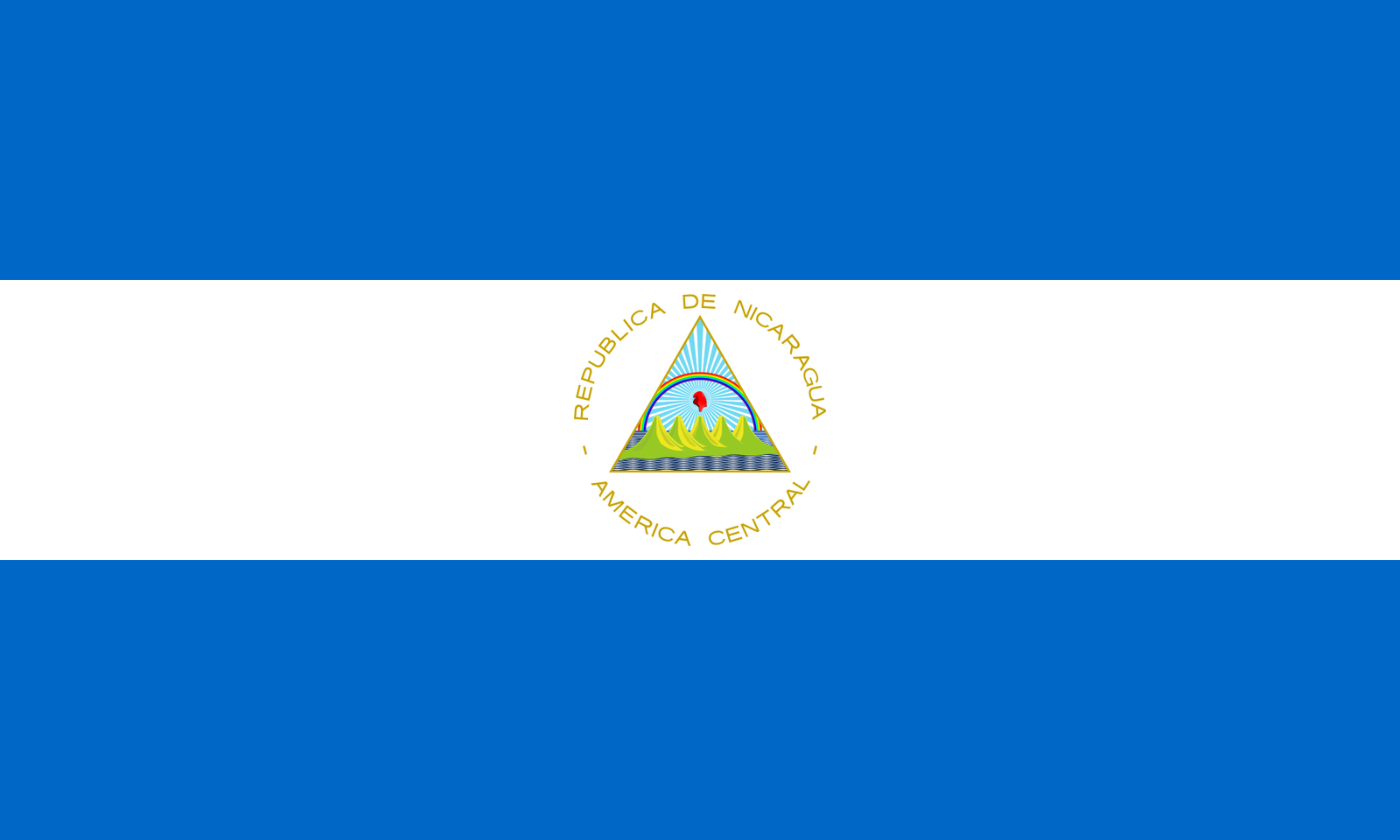
Nicaragua, the largest country in Central America, has quietly been carving a niche for itself in the world of specialty coffee. The country’s coffee profile, characterized by high-quality Arabica beans, reflects the diverse microclimates, volcanic soils, and a commitment to sustainable practices. Nicaragua’s emergence as a coffee origin is marked by unique flavors, elevating its status in the global coffee market.
The key coffee regions in Nicaragua, including Jinotega, Matagalpa, and Nueva Segovia, are situated in the central and northern parts of the country. The varying altitudes, ranging from 800 to 1,600 meters, contribute to the distinctive flavor profiles of Nicaraguan coffee. The country’s commitment to producing Arabica beans, known for their nuanced flavors, is evident in the cup.
Jinotega, the largest coffee-producing region in Nicaragua, is situated in the country’s highlands. The altitude, coupled with the influence of Lake Apanás, creates optimal conditions for Arabica cultivation. Coffees from Jinotega are known for their bright acidity, medium body, and a flavor palette that can include citrusy notes, floral undertones, and a hint of chocolate. The region’s microclimates contribute to the diversity of taste in Jinotega coffees.
Matagalpa, nestled between mountains and rainforests, is another prominent coffee region in Nicaragua. The altitude and fertile soils in Matagalpa result in beans with a bright acidity, medium to full body, and a flavor profile that may include fruity, nutty, and chocolaty notes. The careful cultivation and processing methods employed by farmers in Matagalpa contribute to the consistently high quality of the beans.
Nueva Segovia, located in the northern part of Nicaragua, has gained recognition for producing some of the country’s most exquisite coffees. The region’s high altitudes and favorable climate contribute to beans with a bright and lively acidity, a medium to full body, and a flavor palette that can include floral, fruity, and spicy notes. Nueva Segovia’s coffees often stand out for their complexity and balance.
Nicaragua’s coffee processing methods, often utilizing the washed process, emphasize cleanliness and clarity of flavors. The cherries are carefully pulped, fermented, and washed to remove any residual mucilage before drying. This meticulous processing enhances the acidity and brightness of the beans, contributing to the overall quality of Nicaraguan coffee.
Sustainability is a growing focus in Nicaragua’s coffee industry. Many farmers are adopting environmentally friendly practices, such as shade-grown cultivation and organic farming. Certifications like Rainforest Alliance and Fair Trade are becoming more prevalent, reflecting a commitment to responsible and socially conscious coffee production.
Nicaragua’s coffee has gained recognition in the specialty coffee market, with terms like “Jinotega coffee” and “Nicaraguan single origin” resonating with coffee enthusiasts. The country’s coffees have received accolades in international competitions, establishing Nicaragua as a source of high-quality Arabica beans.
The socio-economic impact of the coffee industry in Nicaragua is significant. Many smallholder farmers are engaged in coffee cultivation, contributing to the economic development of rural areas. The emphasis on sustainability and ethical practices ensures that the benefits of the coffee industry extend to the well-being of local communities and the preservation of Nicaragua’s natural environment.
In conclusion, Nicaragua’s coffee profile is a testament to the country’s dedication to quality, sustainability, and the diverse microclimates that define its coffee regions. As coffee enthusiasts savor beans from Nicaragua, they experience the vibrant and unique flavors that mark this Central American origin. Beyond the delightful taste in the cup, each sip encapsulates the traditions, efforts, and pride of Nicaragua’s coffee producers, solidifying the country’s position in the world of specialty coffee.
From Volcanic Soils to Your Cup of Excellence”
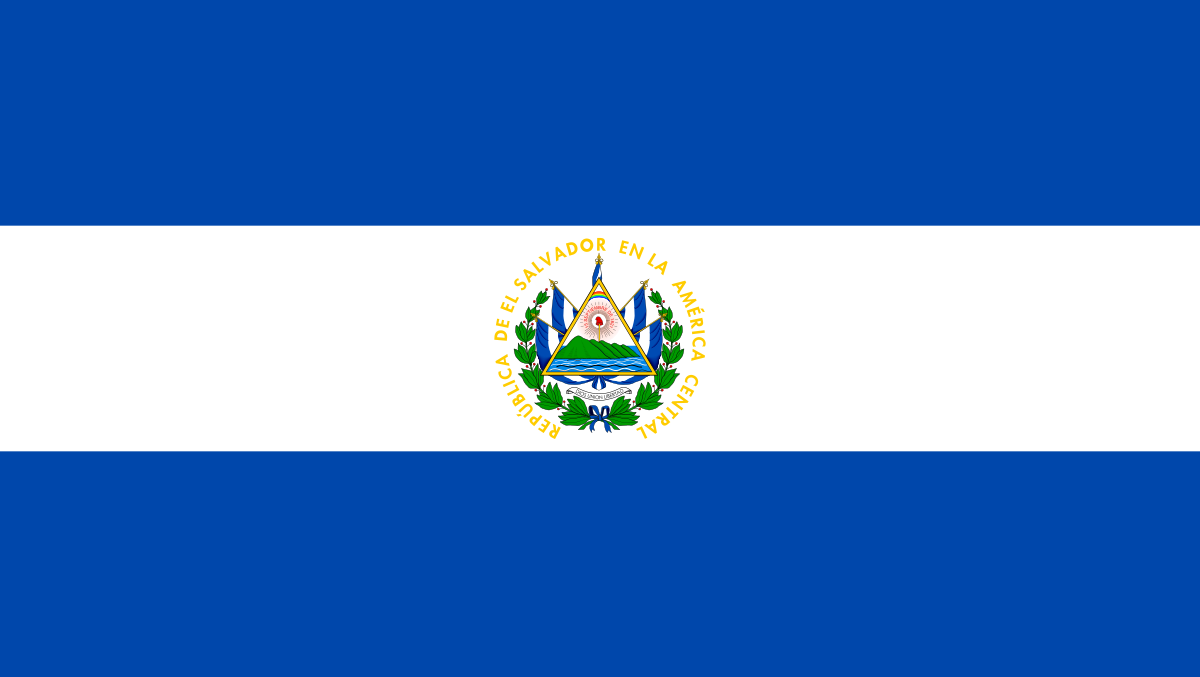
El Salvador, a small Central American country nestled between Guatemala and Honduras, has been quietly making a name for itself in the world of specialty coffee. The country’s coffee profile, characterized by high-quality Arabica beans, reflects the unique terroir of its mountainous landscapes and a commitment to sustainable practices.
The coffee regions of El Salvador, including Santa Ana, Apaneca, and Chalatenango, are situated in the western part of the country, each offering distinct flavors influenced by altitude, soil, and microclimates. The high-altitude regions, ranging from 800 to 1,700 meters, provide an ideal environment for Arabica beans to flourish, resulting in a cup profile that is bright, nuanced, and complex.
Santa Ana, home to the country’s highest peak, is one of El Salvador’s primary coffee-producing regions. The volcanic soils and elevations of over 1,400 meters contribute to coffees with a bright acidity, medium body, and a flavor profile that often includes notes of citrus, floral tones, and a hint of sweetness. The meticulous cultivation and processing methods employed by farmers in Santa Ana enhance the quality of the beans.
Apaneca, located in the Apaneca-Ilamatepec mountain range, is celebrated for its high-quality coffees and unique flavor characteristics. The microclimates within this region contribute to the diversity of taste in Apaneca coffees, ranging from bright acidity to more mellow and rounded profiles. The beans often exhibit a complexity that can include fruity, nutty, and chocolatey notes.
Chalatenango, situated in the northern part of El Salvador, has gained recognition for producing some of the country’s most distinctive coffees. The region’s high altitudes and cool temperatures contribute to beans with a bright and lively acidity, a medium to full body, and a flavor palette that can include tropical fruit notes, floral undertones, and a pleasant sweetness.
El Salvador’s coffee processing methods, often employing the washed process, emphasize cleanliness and clarity of flavors. The cherries are carefully pulped, fermented, and washed to remove any residual mucilage before drying. This meticulous processing enhances the acidity and brightness of the beans, contributing to the overall quality of El Salvador’s coffees.
Sustainability is a growing focus in El Salvador’s coffee industry, with many farmers adopting environmentally friendly practices. Shade-grown cultivation, organic farming, and certifications such as Rainforest Alliance and Fair Trade are becoming increasingly common. These efforts align with the global trend toward responsible and ethically produced coffee.
El Salvador’s coffee has gained recognition in the specialty coffee market, with terms like “Santa Ana coffee” and “El Salvador single origin” capturing the attention of coffee enthusiasts. The country’s coffees have received accolades in international competitions, establishing El Salvador as a source of high-quality Arabica beans.
The socio-economic impact of the coffee industry in El Salvador is significant. Many smallholder farmers are engaged in coffee cultivation, contributing to the economic development of rural areas. The emphasis on sustainability and ethical practices ensures that the benefits of the coffee industry extend to the well-being of local communities and the preservation of El Salvador’s natural environment.
In conclusion, El Salvador’s coffee profile is a testament to the country’s dedication to quality, sustainability, and the unique terroir of its mountainous landscapes. As coffee enthusiasts savor beans from El Salvador, they experience the vibrant and diverse flavors that define this Central American gem. Beyond the delightful taste in the cup, each sip encapsulates the traditions, efforts, and pride of El Salvador’s coffee producers, making the country a rising star in the world of specialty coffee.