
The Art of Coffee Cupping

Coffee cupping is a systematic method used by coffee professionals, roasters, and enthusiasts to evaluate and compare the flavors, aromas, and overall quality of different coffee beans. It involves a standardized procedure of smelling and tasting coffee in a controlled environment. Cupping is an essential practice in the coffee industry for selecting and grading coffees, as well as for identifying unique flavor characteristics.

Here’s a general outline of the coffee-cupping process:

  1. Grinding: Coffee beans are freshly ground to a coarse consistency just before cupping. Each sample is ground separately.
  2. Fragrance Evaluation: The ground coffee is smelled dry to assess the fragrance and aroma before water is added.
  3. Wet Aroma: Hot water is poured over the ground coffee, and the wet aroma is evaluated by inhaling the rising steam.
  4. Breaking the Crust: After steeping for a few minutes, a crust of coffee grounds forms on the surface. Cuppers use a spoon to break this crust, releasing the coffee’s aromas.
  5. Aroma Evaluation: The cuppers then inhale deeply to evaluate the released aromas from breaking the crust.
  6. Tasting: Using a spoon, cuppers slurp the coffee from a spoon, aspirating it to spread it evenly across the palate. This allows them to assess the taste, acidity, body, and other flavor characteristics.
  7. Scoring: Cuppers assign scores to various attributes, such as acidity, body, balance, flavor, aftertaste, and overall impression. This helps create a comprehensive profile of each coffee.
  8. Cleansing Palate: Between samples, cuppers may cleanse their palates with water and unsalted crackers to ensure that residual flavors do not affect subsequent evaluations.

Cupping sessions are often blind, meaning that the participants are unaware of the origin or characteristics of the coffee being tasted. This helps prevent bias and allows for unbiased assessments based solely on the sensory experience.

Cupping serves several purposes, including:

Coffee cupping is an integral part of the coffee supply chain, providing valuable information to growers, roasters, and consumers about the sensory qualities of different coffees.

The Art of Wet Wash Coffee Processing

The wet, washed, or fully washed coffee processing method is a modern and controlled technique that involves removing the outer layers of the coffee cherry before drying the beans. This method is known for producing clean, bright, and nuanced coffees with distinct flavor profiles. Here is an overview of the wet-washed coffee processing method:
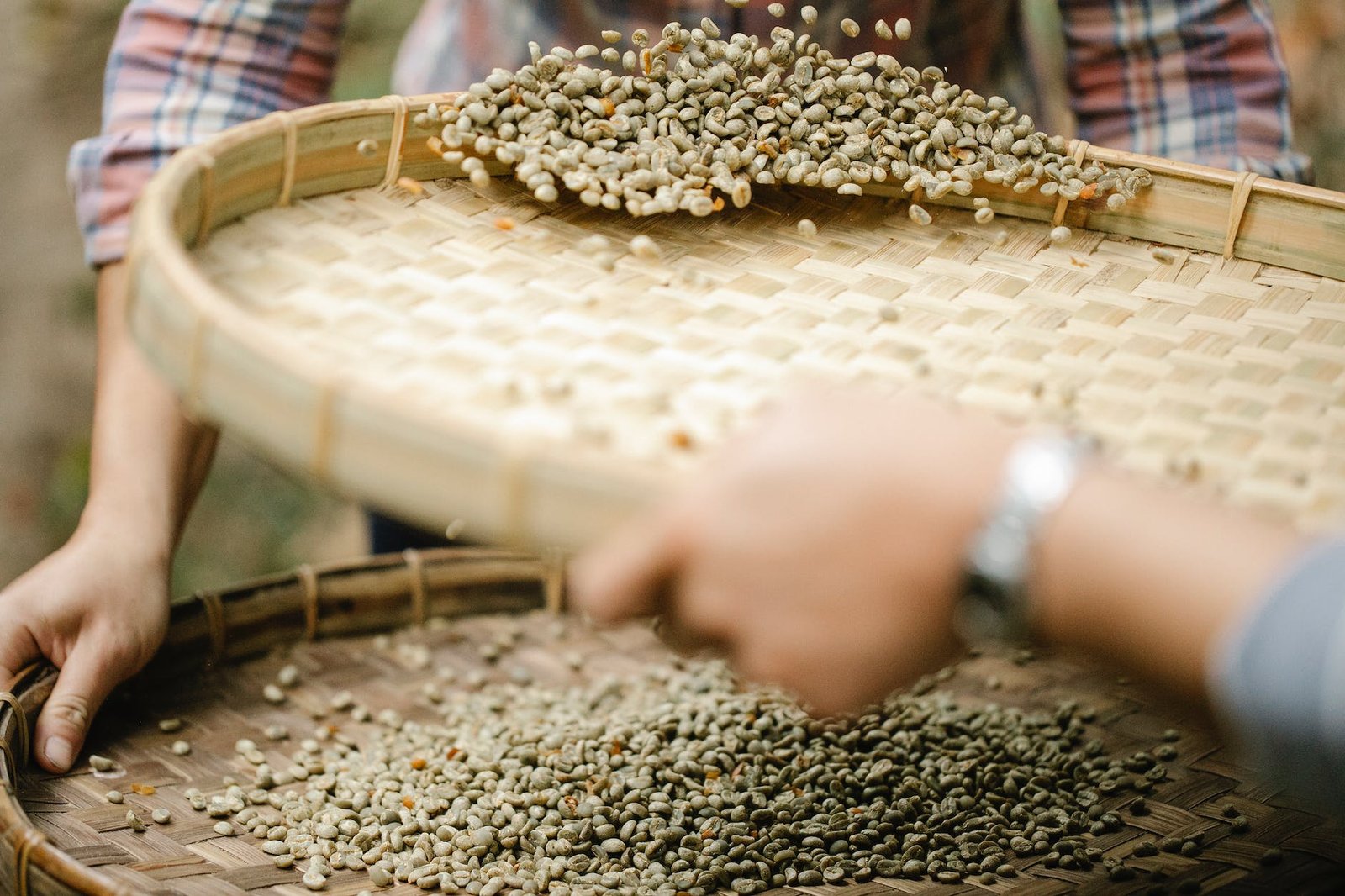
  1. Harvesting: Coffee cherries are selectively handpicked when fully ripe, ensuring a uniform and high-quality harvest.
  2. Depulping: The outer skin of the cherry is mechanically removed, exposing the beans covered with mucilage. Depulping can be done using machines or fermentation tanks. Some coffee producers use water channels to separate the lighter, less dense cherries from the fully ripe ones, which may indicate underripeness.
  3. Fermentation: The de-pulped beans, still covered with mucilage, are transferred to fermentation tanks with water. The fermentation process helps to break down and loosen the mucilage from the beans. The duration of fermentation varies but typically lasts between 12 to 72 hours.
  4. Washing: After fermentation, the beans are thoroughly washed to remove the remaining mucilage. This step is crucial in determining the cleanliness and clarity of the final cup.
  5. Drying: The washed beans are spread out to dry, either on patios, raised beds, or using mechanical dryers. The drying process is generally faster than in the natural method, as the beans are no longer covered in mucilage.
  6. Hulling: Once the beans have dried to the optimal moisture content, they undergo mechanical hulling to remove the parchment layer, revealing the green coffee beans.
This video Povived by Cafe Imports

Wet-washed coffees are known for their clean cup profile, distinct acidity, and the ability to showcase the unique flavors of the coffee beans. This processing method allows for greater control over the fermentation and washing processes, resulting in coffees with more clarity and brightness. Wet-washed coffees are often preferred for beans with delicate and nuanced flavor profiles, and they are popular in regions where water is abundant and the climate allows for efficient drying.

This method is commonly used in Central and South American countries, such as Costa Rica, Colombia, and Kenya, as well as in many specialty coffee-producing regions around the world.

The Various Methods of Processing Coffee

Coffee processing is a crucial step in turning freshly harvested coffee cherries into green coffee beans that are ready for roasting. There are several methods of coffee processing, each influencing the final flavor profile of the coffee. The three primary processing methods are:
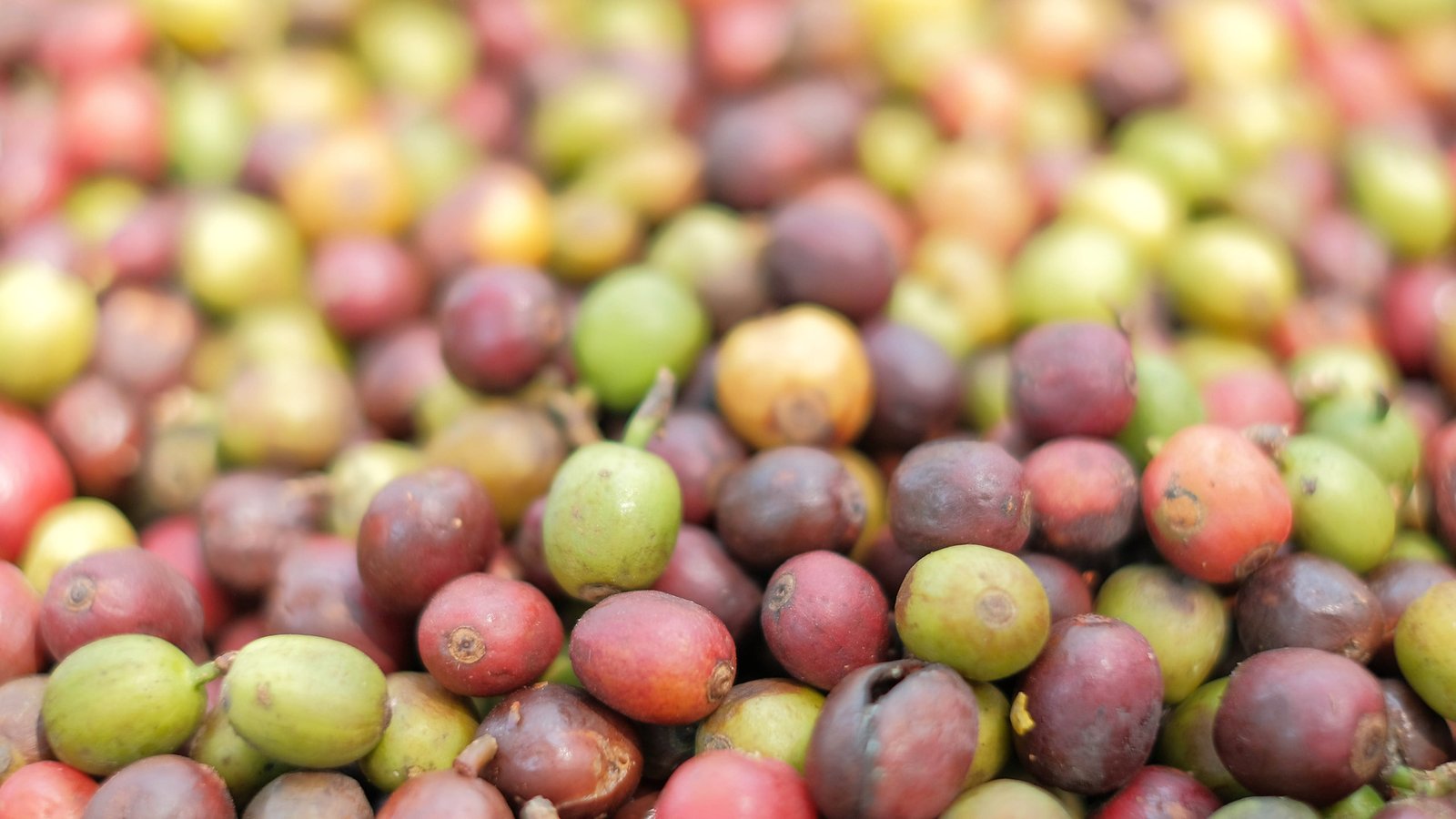
  1. Dry (Natural) Processing:
    • In the dry or natural processing method, freshly harvested coffee cherries are spread out in the sun to dry. The whole cherries are often left intact during the initial drying phase. As the cherries dry, the pulp naturally shrinks and separates from the beans inside.
    • Once sufficiently dried, the cherries are mechanically hulled to remove the dried pulp and reveal the green coffee beans inside.
    • Natural processed coffees often have a heavier body and more pronounced fruit and fermented flavors due to the extended contact between the bean and the fruit during drying.
  2. Wet (Washed) Processing:
    • In the wet or washed processing method, the outer skin of the cherries is removed mechanically, and the beans with their mucilage-covered parchment are then fermented in water tanks.
    • After fermentation, the beans are thoroughly washed to remove the remaining mucilage, and they are then dried. The drying can be done either in the sun or using mechanical dryers.
    • Washed coffees tend to have a cleaner cup profile with bright acidity and distinct, varietal flavors, as the fermentation process helps remove some of the fruit residues.
  3. Pulped Natural (Honey) Processing:
    • Pulped natural, also known as honey processed, is a hybrid method combining elements of both natural and washed processing. The outer skin is removed, but some or all of the mucilage is left on the beans during drying.
    • The level of mucilage left on the beans can vary, ranging from yellow (yellow honey) to red (red honey) to black (black honey). The more mucilage left, the more sweetness and complexity the coffee may retain.
    • Pulped natural coffees often exhibit a balance between the body and sweetness of naturally processed coffees and the cleanliness of washed coffees.

These processing methods significantly influence the flavor, acidity, body, and overall characteristics of the final cup of coffee. Additionally, variations in processing methods can occur within a region or country, contributing to the diversity of coffee profiles available to consumers. Specialty coffee often highlights specific processing methods as part of its marketing and labeling, as it plays a crucial role in shaping the unique qualities of each coffee.

The dry, natural, or unwashed coffee processing method is a traditional technique in which the entire coffee cherries are dried with the beans inside, without removing the pulp or mucilage. This method imparts unique characteristics to the coffee, resulting in a distinct flavor profile. Here is an overview of the dry natural coffee processing method:

  1. Harvesting: Coffee cherries are handpicked when they are fully ripe. The cherries should be red or yellow, indicating their readiness for harvest.
  2. Sorting: The freshly harvested cherries are sorted to remove any overripe or underripe fruits, as well as debris.
  3. Drying: The sorted cherries are spread out in a single layer on large, flat surfaces such as patios, raised beds, or mats to dry in the sun. The cherries are often turned regularly to ensure even drying.
  4. Natural Drying: The cherries are left intact during the initial drying phase, allowing the pulp and mucilage to dry around the beans. This process can take several weeks, depending on weather conditions.
  5. Mechanical Hulling: Once the cherries are sufficiently dried, the beans are mechanically hulled to remove the dried pulp and parchment layer, revealing the green coffee beans.
  6. Final Drying: The hulled beans undergo a final drying phase to reduce their moisture content to the optimal level for storage and transportation.

The dry natural processing method imparts distinct flavors to the coffee due to the extended contact between the beans and the fruit during the drying process. The beans absorb some of the sugars and fruity compounds from the pulp and mucilage, resulting in a cup with pronounced fruitiness, sweetness, and often a heavier body. The flavors can range from berry-like and tropical fruit notes to winey or fermented characteristics.

Video Provided by Cafe Imports

Dry natural processed coffees are particularly popular in regions with consistent sunny and dry weather, as the method relies on the sun for drying. Ethiopia is well-known for producing high-quality dry natural coffees, such as those from the Yirgacheffe region. However, this processing method is also used in various coffee-producing regions around the world, contributing to the diversity of coffee flavors available to consumers.

The Irreproducible Elixir: Savoring the Unrepeatable Symphony of Coffee

In the world of coffee aficionados, the pursuit of the perfect cup is a perpetual journey—a quest that often borders on the mystical. Yet, imagine a scenario where you stumble upon a transcendent brew, a cup of coffee so extraordinary that it seems like a fleeting encounter with a shooting star. The catch? You can never replicate that exact cup again. Welcome to the realm of the irreproducible elixir—a single moment of coffee brilliance that becomes a cherished memory.

The Quest for Perfection: A Coffee Odyssey

Coffee lovers often find themselves in a quest for the holy grail of coffee brewing, fine-tuning every variable from bean selection and grind size to water temperature and brewing time. In this meticulous dance, the goal is to unlock the full potential of the coffee beans and create a cup that transcends the ordinary.

The Magical Brew: A Serendipitous Encounter

Picture this: you wake up one morning, stumble into the kitchen, and decide to experiment with a new coffee bean you picked up on a whim. The grind size is perfect, the water temperature just right, and the brewing time is an exquisite dance. As you take that first sip, time seems to stand still. The flavors are a harmonious blend of nuttiness, fruitiness, and a subtle hint of chocolate. This, you realize, is the cup you’ve been chasing—an ephemeral elixir that surpasses all expectations.

Chasing Shadows: The Inability to Recreate

Now, here’s the catch: try as you might, you can never recreate that exact cup of coffee. It becomes a moment frozen in time, a unique blend of circumstances and variables that align perfectly. The grind size, the water temperature, the freshness of the beans—these are elements that can never be replicated in precisely the same way again.

Embracing Impermanence: The Beauty of the Unrepeatable

While it may seem like a cruel twist of fate for the coffee enthusiast, there’s a certain beauty in the unrepeatable. It’s a reminder that the world of coffee is dynamic, ever-changing, and filled with surprises. Each cup is a unique experience, a snapshot of a particular moment in your coffee journey that can never be duplicated.

The Joy of Discovery: Celebrating Diversity

Rather than lamenting the inability to recreate that perfect cup, perhaps it’s worth celebrating the diversity and unpredictability of the coffee world. Every cup becomes an adventure, an exploration of flavors and aromas that unfold differently each time you brew.

Conclusion: A Sip of Transcendence

In the world of coffee, perfection is a fleeting muse, and the pursuit of the ideal brew is a journey filled with twists and turns. So, embrace the serendipity of that one unforgettable cup—a sip of transcendence that lingers in your memory, reminding you that sometimes, the most magical moments are the ones that can never be repeated. In the pursuit of the perfect cup, cherish the unrepeatable elixirs that make your coffee journey uniquely yours.

Coffee, often hailed as the elixir of the morning routine, is a beverage that transcends cultures and brings people together. While the coffee bean itself is undeniably a star in this symphony of flavors, it’s the unsung hero, water, that plays a crucial role in extracting the magic from those aromatic grounds. Understanding the importance of water in preparing coffee is essential for unlocking the full spectrum of flavors that coffee beans have to offer.

Coffee beans are composed of numerous compounds, including soluble and insoluble elements. Water, acting as a solvent, plays a vital role in extracting the soluble compounds from coffee grounds. The heat of the water facilitates the dissolution of sugars, acids, oils, and aromatic compounds, turning a handful of coffee grounds into a rich, flavorful elixir.

The quality of water used in coffee preparation is often underestimated. Minerals in water, such as calcium and magnesium, contribute to the extraction process and affect the taste and mouthfeel of the coffee. Conversely, impurities or off-flavors in water can negatively impact the final brew. It’s essential to use clean, filtered water to ensure that the natural flavors of the coffee beans shine through without interference from undesirable elements.

Water temperature during brewing is a critical factor influencing the flavor profile of coffee. Water that is too hot can lead to over-extraction, resulting in a bitter and astringent taste, while water that is too cold may under-extract, producing a flat and sour brew. Achieving the optimal water temperature—usually between 195°F to 205°F (90°C to 96°C)—allows for the extraction of desirable flavors while maintaining balance.

Coffee’s enticing aroma is a symphony of volatile compounds released during the brewing process. The interaction between water and coffee grounds releases these volatile aromatics, creating the delightful fragrance that wafts through kitchens and cafes alike. The proper water-coffee ratio and brewing time contribute to the release of these aromatic compounds, enhancing the overall sensory experience.

The mouthfeel, or body, of coffee refers to its perceived weight and thickness on the palate. The minerals in water contribute to this aspect, influencing the extraction of oils and compounds that give coffee its full-bodied character. The right water composition helps create a well-rounded and satisfying mouthfeel, elevating the overall drinking experience.

In the intricate world of coffee preparation, water takes center stage as the conductor of flavors, aromas, and textures. As coffee enthusiasts embark on the quest for the perfect cup, understanding the importance of water becomes paramount. From extraction to aroma release, water is the medium through which coffee beans express their symphony of flavors. So, the next time you savor that morning brew, take a moment to appreciate the silent partner in this delightful dance—the water that transforms humble coffee grounds into a liquid gold elixir.