As Good as It Gets
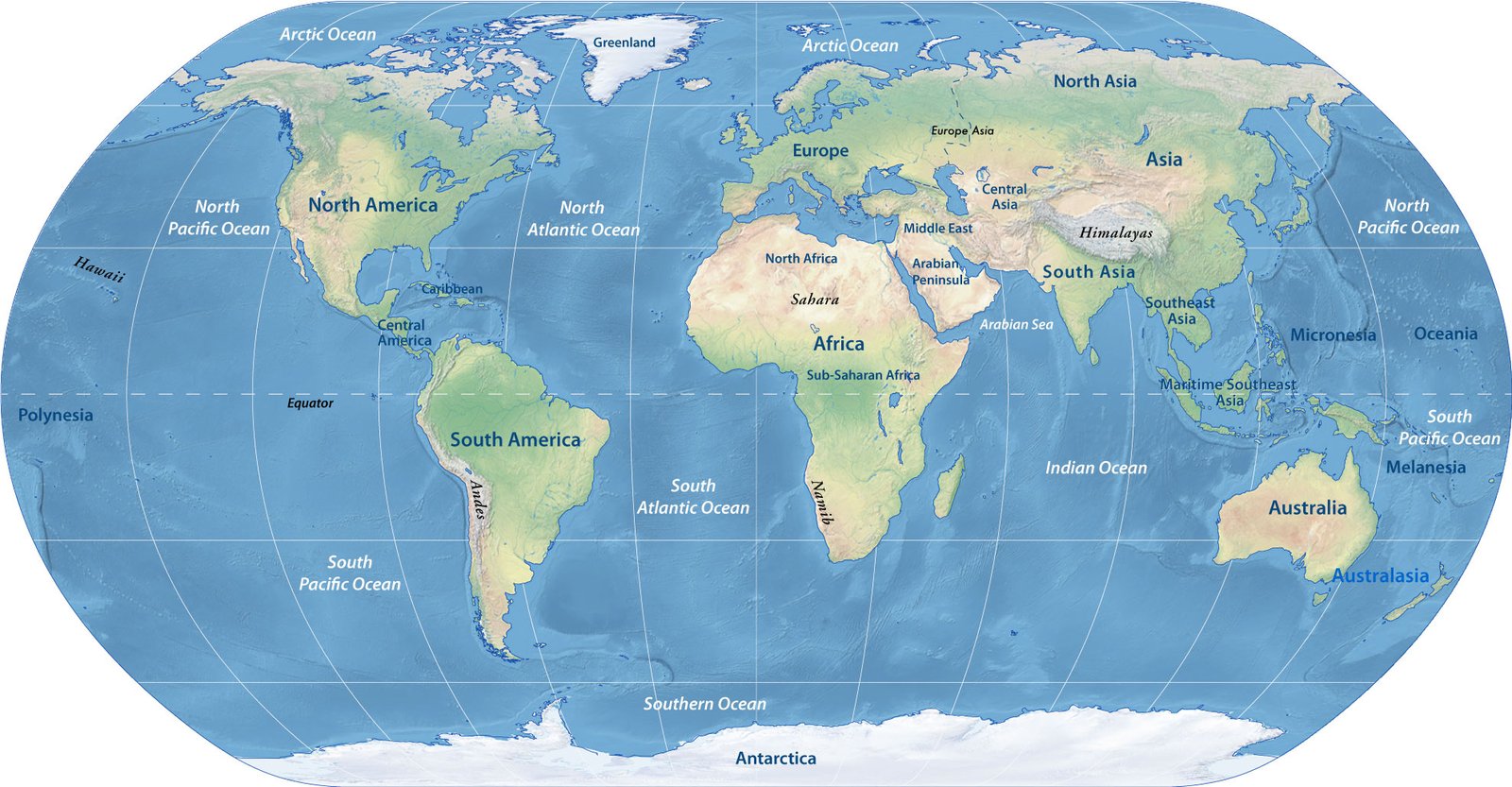
Coffee is grown in various countries around the world, primarily within the tropical belt known as the “coffee belt.” Here is a list of countries and territories where coffee beans are cultivated:
This list covers the primary coffee-producing countries and territories, but it’s important to note that within each country, coffee is often grown in specific regions with unique microclimates, altitudes, and soil conditions. These factors contribute to the distinct flavor profiles of coffee beans from different origins. Additionally, the coffee industry is dynamic, and new regions may emerge as coffee cultivation evolves.


Other Regions:
Tracing the Rich Tapestry of the Middle East Coffee
The Middle East, a region renowned for its ancient history, diverse cultures, and arid landscapes, has long played a significant role in the global coffee narrative. The Middle East coffee region, with its storied coffee traditions, offers a unique and enchanting experience that intertwines history, hospitality, and the aromatic allure of finely brewed coffee.

The Middle East stands as one of the cradles of coffee culture, with a history that dates back centuries. Legend has it that coffee was discovered in the Ethiopian highlands, making its way to the Arabian Peninsula. Yemen, in particular, holds a special place in the heart of coffee history. The port city of Mocha became synonymous with the export of Yemeni coffee, captivating the taste buds of traders and coffee lovers across the world.
Arabica coffee, celebrated for its nuanced flavors and aromatic qualities, dominates the Middle East coffee scene. Yemen, with its high-altitude regions like Haraz and Yemeni Western Highlands, is known for cultivating high-quality Arabica beans. The slow maturation process at elevations ranging from 1,000 to 2,500 meters contributes to the distinctive flavors of Yemeni coffee.
Middle Eastern coffees, particularly those from Yemen, are renowned for their bright acidity, medium body, and a complex flavor profile. Tasting notes often include floral, fruity, and spicy undertones, reflecting the unique terroir and meticulous cultivation methods employed by local farmers. The traditional dry processing method, where coffee cherries are left to dry with the fruit intact, imparts a distinct sweetness and depth to Middle Eastern coffees.
In the Middle East, coffee is more than a beverage; it is an integral part of social rituals, hospitality, and cultural traditions. The coffee ceremony, known as “qahwa” in Arabic, is a cherished practice that transcends borders and unites people across the region. From the intricate preparation of Turkish coffee to the elaborate coffee ceremonies in Saudi Arabia and the Gulf states, the act of brewing and sharing coffee is a symbol of warmth, connection, and cultural richness.
Middle Eastern countries have perfected the art of coffee brewing using traditional methods that have been passed down through generations. Turkish coffee, with its finely ground coffee beans and unique preparation in a cezve, is a symbol of Turkish hospitality. In Saudi Arabia and the Gulf states, the preparation of Arabic coffee, often flavored with cardamom, is an art form that reflects the region’s cultural heritage.
While deeply rooted in tradition, the Middle East is also embracing modern coffee culture. Urban centers like Dubai, Riyadh, and Doha boast a vibrant coffee scene with specialty coffee shops, third-wave coffee roasters, and a growing community of coffee enthusiasts. The fusion of traditional practices with contemporary coffee trends showcases the region’s dynamic approach to the evolving coffee landscape.
The Middle East faces challenges in coffee production, including water scarcity, changing climates, and the need for sustainable farming practices. However, innovative initiatives, such as vertical farming and water-efficient cultivation methods, are emerging to address these challenges. The Middle East’s commitment to preserving its coffee heritage while adapting to modern agricultural practices is a testament to the region’s resilience.
The Middle East coffee region is a captivating oasis where the aroma of finely brewed coffee mingles with the echoes of history and cultural traditions. From the ancient coffeehouses of Yemen to the bustling coffee scenes of contemporary urban centers, the Middle East’s coffee culture is a journey through time, flavor, and hospitality. As the region continues to balance tradition with innovation, each cup brewed in the Middle East becomes a sip of the rich and aromatic legacy that has defined the heart of coffee culture for centuries.
Unveiling the Distinctive Charms of Yemeni Coffee
Introduction:
Nestled in the cradle of the Arabian Peninsula, Yemen stands as the birthplace of coffee, boasting a heritage that stretches back over a millennium. The Yemen coffee profile is a tale steeped in history, tradition, and the unparalleled flavors of Arabica beans cultivated amidst the rugged landscapes of the Arabian highlands.
Yemen holds a unique place in the history of coffee, with the ancient city of Mocha serving as a historic gateway for the export of Yemeni coffee to the world. Legend has it that coffee cultivation in Yemen began in the 15th century, and the country’s landscapes, particularly the high-altitude regions of Haraz and Yemeni Western Highlands, have been nurturing the famed Arabica beans ever since.
The Yemeni coffee story is intertwined with Sufi mystics, who are said to have discovered the energizing properties of coffee cherries in the region’s mountainous terrains. The Yemeni port of Mocha became synonymous with the coffee trade, and Yemeni coffee beans quickly spread across the Arabian Peninsula and beyond.
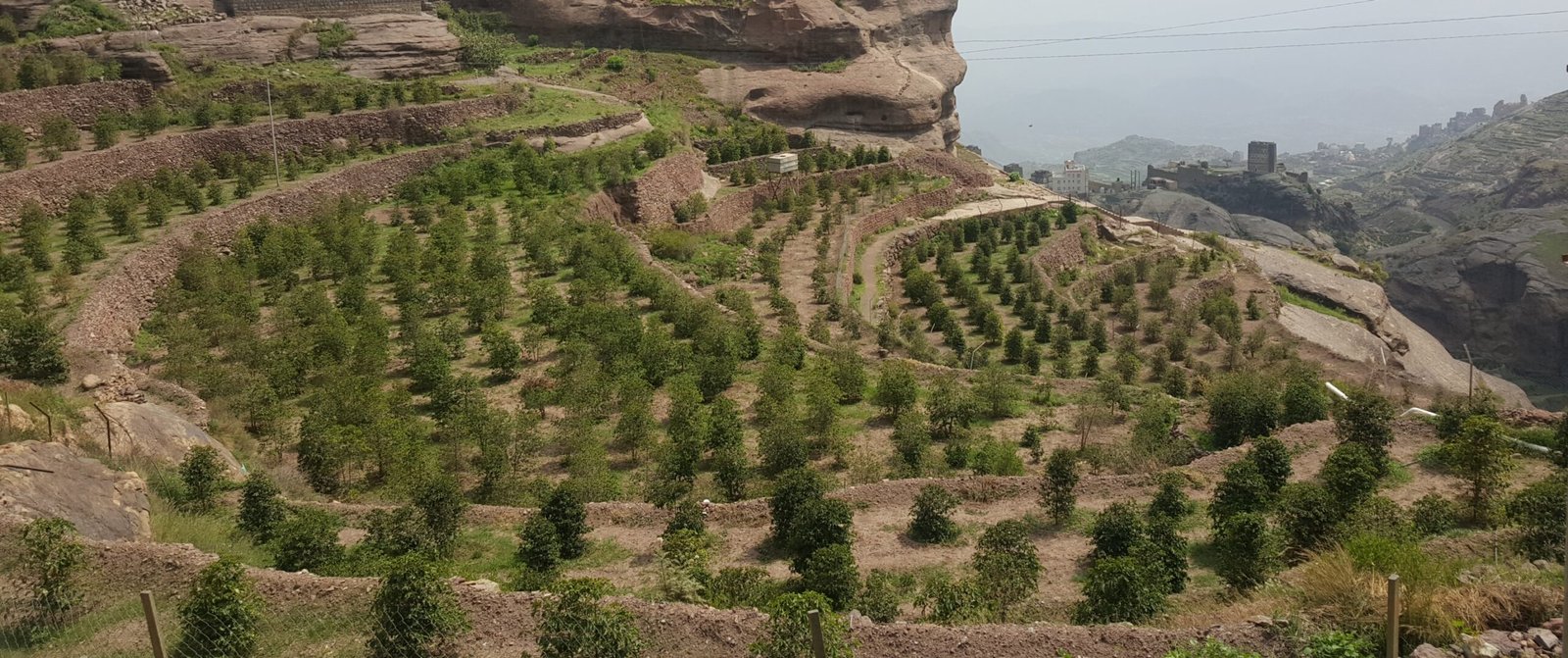
Yemen’s coffee is primarily grown in the mountainous regions of the Arabian Peninsula, where elevations range from 1,000 to 2,500 meters above sea level. The country’s unique geography, characterized by terraced hillsides, deep valleys, and a hot and arid climate, creates an environment that is both challenging and conducive to the cultivation of high-quality Arabica coffee.
The altitude, combined with the ancient terracing methods employed by Yemeni farmers, contributes to the slow maturation of coffee cherries and the development of distinctive flavors that define Yemeni coffee.
Yemen’s coffee industry is celebrated for its cultivation of heirloom Arabica varietals that have been preserved and passed down through generations. The ancient varieties, including Typica and Bourbon, contribute to the Yemen coffee profile’s unique and diverse flavor spectrum. Yemeni coffee is often characterized by its nuanced acidity, full body, and a rich tapestry of tasting notes that can include winey, spicy, and fruity undertones.
The heirloom varieties showcase Yemen’s commitment to preserving its coffee heritage and resisting the homogenization of coffee cultivation seen in many other regions.
Yemeni coffee is cultivated using traditional and labor-intensive farming methods, many of which have been handed down through centuries. Terraced farming on the steep slopes of the Yemeni mountains allows for optimal sunlight exposure and efficient water usage. Yemeni farmers, often organized into small family-owned plots, meticulously tend to their coffee plants, emphasizing organic and sustainable practices.
Dry processing, a method where coffee cherries are left to dry with the fruit intact, is a hallmark of Yemeni coffee production. This unique processing method imparts distinct flavors to the beans, often characterized by a natural sweetness, complexity, and depth.
Coffee in Yemen is not just a beverage; it is an integral part of the country’s cultural fabric. Yemeni coffee traditions are deeply rooted in daily life, from the elaborate coffee ceremonies known as “qahwa” to the social gatherings where coffee is shared and stories are exchanged.
The Yemeni coffee culture transcends the act of drinking coffee; it symbolizes hospitality, community, and a connection to the land. Yemeni coffeehouses, known as “qishr,” serve as communal spaces where people come together to enjoy coffee, discuss matters of importance, and celebrate shared traditions.
Despite its historical significance and unique flavor profile, Yemen’s coffee industry faces numerous challenges, including political instability, water scarcity, and the threat of pests and diseases. The traditional and small-scale nature of Yemeni coffee farming makes it vulnerable to external pressures.
However, Yemeni coffee farmers, with their deep-rooted connection to the land and a commitment to preserving their coffee heritage, continue to overcome challenges. Efforts to improve infrastructure, enhance sustainability, and support local farmers are gaining traction, ensuring the resilience of Yemen’s coffee industry.
Yemen’s coffee profile is a living testament to the enduring legacy of a beverage that has transcended time and geography. The flavors that emanate from Yemeni coffee tell a story of ancient terrains, traditional farming wisdom, and a cultural heritage deeply intertwined with the art of coffee cultivation. As Yemen navigates the complexities of its present, each cup of Yemeni coffee carries the weight of history, the resilience of its people, and the enduring allure of a brew that has journeyed through centuries. Yemeni coffee is not merely a drink; it is a celebration of a rich and timeless tradition that continues to captivate coffee enthusiasts around the world.


