Exploring the Diversity of the Asia-Pacific Coffee Region
The Asia-Pacific region, a vast and diverse landscape encompassing countries from Southeast Asia to the Pacific Islands, is gaining recognition for its unique and thriving coffee culture. The Asia-Pacific coffee region is a captivating mosaic of flavors, elevations, and cultural nuances that contribute to the rich tapestry of this emerging coffee frontier.

The Asia-Pacific coffee region spans a range of geographical landscapes, from the highlands of Papua New Guinea to the volcanic slopes of Indonesia and the terraced hillsides of Vietnam. Each country within this region offers a distinctive terroir that influences the flavor profile of its coffee. The varying elevations, climates, and soil compositions create an ideal environment for cultivating different coffee varieties.
Indonesia: Archipelago of Diversity
Indonesia, with its thousands of islands, is a coffee giant within the Asia-Pacific region. Regions such as Sumatra, Java, Sulawesi, and Bali contribute to Indonesia’s diverse coffee offerings. The archipelago is known for producing both Arabica and Robusta beans, each offering a unique flavor experience.
Sumatra, with its renowned Mandheling and Gayo coffees, is celebrated for its full body, low acidity, and earthy, spicy undertones. Java’s Arabica beans, with their medium body and bright acidity, showcase the country’s long-standing coffee heritage. Indonesian coffees are often processed using the wet-hulled method, contributing to their characteristic flavors.
Vietnam, a rising star in the global coffee market, has made a mark with its predominant cultivation of Robusta beans. The Central Highlands, including regions like Dak Lak and Lam Dong, are key contributors to Vietnam’s coffee production. Vietnamese Robusta is known for its bold body, low acidity, and chocolatey, nutty notes.
Vietnam’s unique coffee culture, highlighted by the famous egg coffee and strong traditional brews, reflects the country’s creative approach to coffee consumption.
Papua New Guinea: High-altitude Elegance
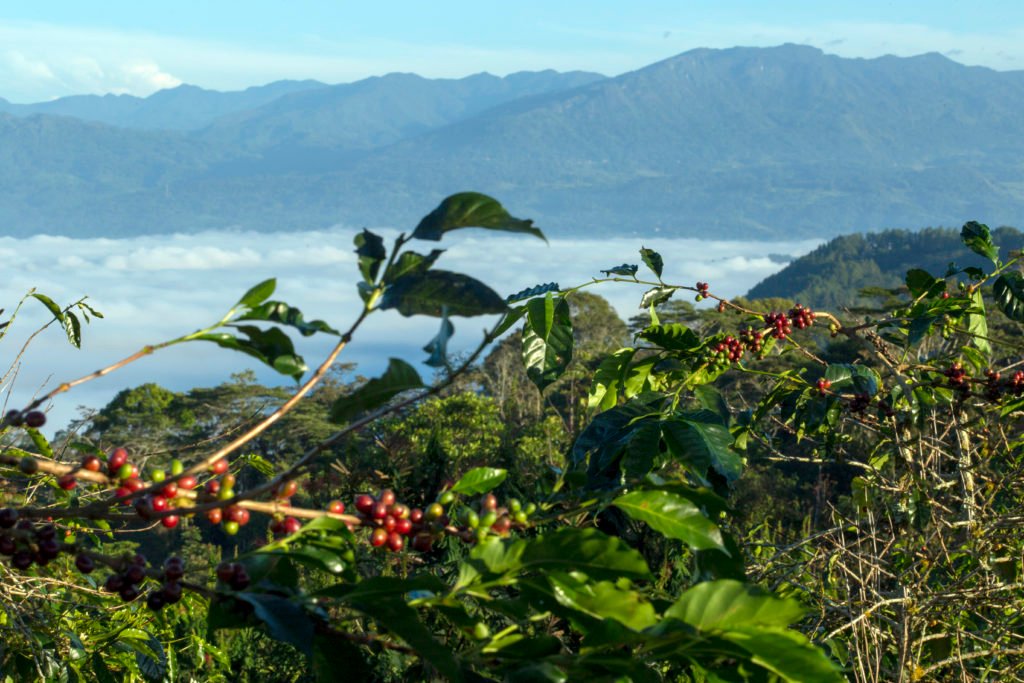
Papua New Guinea, nestled in the southwestern Pacific, is gaining recognition for its high-altitude Arabica coffees. The Wahgi Valley and the Eastern Highlands are regions where coffee is grown at elevations ranging from 1,300 to 2,000 meters. The cooler temperatures at these heights contribute to the slow maturation of the beans, resulting in coffees with bright acidity, medium body, and nuanced flavor profiles.
Coffee in the Asia-Pacific region is not just a beverage; it’s a cultural experience deeply intertwined with local traditions. In countries like Indonesia and Vietnam, traditional coffee ceremonies are significant social events, fostering community connections and celebrations. The art of brewing and enjoying coffee becomes a shared experience, reflecting the cultural values and warmth of the communities.
The Asia-Pacific coffee region has seen a growing emphasis on sustainability and ethical practices. Many coffee-producing countries are implementing initiatives to promote environmentally friendly farming methods, fair trade practices, and social responsibility. These efforts are not only preserving the natural beauty of the landscapes but also ensuring the well-being of the communities involved in coffee production.
While the Asia-Pacific coffee region holds great promise, it also faces challenges, including climate change, pests, and market dynamics. However, the resilience of local farmers and the commitment to quality and sustainability contribute to the region’s ability to overcome these challenges.
The Asia-Pacific coffee region is a dynamic and evolving force in the global coffee landscape. From the bold Robustas of Vietnam to the high-altitude Arabicas of Papua New Guinea, each country within this diverse region adds a unique chapter to the story of coffee. As the Asia-Pacific coffee culture continues to flourish, it not only offers a diverse range of flavors but also invites coffee enthusiasts to explore the rich cultural tapestry that makes each cup a journey through the heart of this burgeoning coffee frontier.
Exploring the Bold Flavors of Brazilian Coffee”
Brazil, a country synonymous with vibrancy, diversity, and natural beauty, is also a powerhouse in the world of coffee production. The Brazil coffee profile is a symphony of flavors that emanates from the vast plateaus, tropical climates, and rich soils, making Brazilian coffee a global benchmark for both quantity and quality.
Brazil’s coffee plantations stretch across a vast expanse of land, covering states like Minas Gerais, São Paulo, Bahia, and Espírito Santo. The geographical diversity within these regions, from the high-altitude plateaus to the coastal lowlands, contributes to the versatility of Brazilian coffee. The country’s landscapes create an ideal environment for both Arabica and Robusta coffee varieties, allowing Brazil to cater to a broad spectrum of flavor preferences.
Brazil is a major producer of Arabica coffee, renowned for its mild acidity, balanced sweetness, and diverse flavor notes. The Arabica beans, particularly those grown in Minas Gerais, are celebrated for their chocolatey, nutty, and fruity undertones. The slow maturation process at higher elevations contributes to the development of complex flavors, making Brazilian Arabica a favorite among coffee connoisseurs.
The altitude of Brazilian coffee farms varies, with some plantations situated at elevations exceeding 1,000 meters. These high-altitude regions, such as Sul de Minas and Mogiana, showcase the country’s commitment to producing specialty-grade Arabica coffee with distinctive and nuanced flavors.
In addition to Arabica, Brazil is a significant producer of Robusta coffee, particularly in the coastal regions of Espírito Santo and Bahia. Brazilian Robusta is valued for its bold body, higher caffeine content, and earthy, woody flavors. The lower-altitude, warmer climates in these coastal areas create an ideal environment for the cultivation of Robusta beans.
Brazilian Robusta plays a crucial role in both domestic consumption and global coffee markets, contributing to the country’s reputation as a versatile coffee producer.
Brazil’s coffee industry is marked by innovation and modern farming practices. Large-scale coffee estates, often equipped with advanced machinery and technology, coexist with smaller family-owned farms. Mechanized harvesting and processing methods contribute to the efficiency of Brazil’s coffee production, making it a global leader in coffee volume.
However, amidst the modernization, Brazil also cherishes its traditional coffee culture. The country hosts numerous coffee festivals and events, such as the International Coffee Week in Belo Horizonte, providing a platform for farmers, roasters, and coffee enthusiasts to celebrate the rich heritage of Brazilian coffee.
In recent years, Brazil has increasingly embraced sustainable and environmentally friendly practices in coffee cultivation. The importance of preserving natural resources and promoting biodiversity is recognized by many Brazilian coffee producers. Sustainable initiatives, such as shade-grown coffee and agroforestry, aim to minimize the ecological impact of coffee farming and ensure the long-term health of Brazil’s coffee ecosystems.
Brazil’s influence on the global coffee market is immense. As the largest coffee producer in the world, the country’s coffee exports have a significant impact on international prices and market dynamics. Brazil’s coffee industry is not only vital for its economic growth but also for the livelihoods of millions of people involved in coffee cultivation, harvesting, and processing.
The Brazil coffee profile is a testament to the country’s prowess in the world of coffee. From the sun-drenched plateaus to the coastal regions, Brazilian coffee reflects a harmonious blend of tradition, innovation, and environmental responsibility. As Brazil continues to shape the global coffee landscape, each cup brewed from Brazilian beans becomes a journey through the diverse and captivating flavors that have made Brazil an enduring and influential force in the world of coffee.
Journeying Through the Aromas of Colombian Coffee
Colombian coffee, often hailed as one of the finest in the world, is a jewel in the crown of Latin America’s coffee-producing nations. The country’s coffee industry has not only shaped its economic landscape but has also become synonymous with high-quality Arabica beans, cultivated with care and precision across the breathtaking landscapes of the Andes. In this essay, we delve into the unique characteristics, cultural significance, and global impact of Colombian coffee.
Colombia’s coffee regions are intricately woven into the folds of the Andes, creating a mosaic of microclimates that foster the cultivation of exceptional coffee beans. The three primary coffee-growing regions – Huila, Antioquia, and Tolima – each contribute distinct flavors and profiles to the Colombian coffee portfolio.
Colombian coffee is celebrated for its well-balanced acidity, medium body, and a flavor spectrum that dances from citrusy brightness to cocoa richness. The elevation at which the coffee is grown plays a crucial role in shaping these profiles. The high-altitude plantations, often reaching 6,000 feet and above, impart a unique complexity to the beans, allowing them to develop slowly and fully.
Colombian coffee is predominantly Arabica, prized for its nuanced flavor, moderate acidity, and aromatic qualities. The Arabica beans grown in Colombia benefit from the country’s ideal coffee-growing conditions – fertile volcanic soils, consistent rainfall, and a range of temperatures that create the perfect environment for slow, optimal maturation.
Coffee is not merely an agricultural commodity in Colombia; it is a cultural touchstone deeply embedded in the nation’s identity. The Colombian Coffee Growers Federation, established in 1927, has played a pivotal role in promoting and protecting the interests of coffee producers. The iconic Juan Valdez, a fictional character created to represent Colombian coffee farmers, has become a symbol of the country’s dedication to quality.
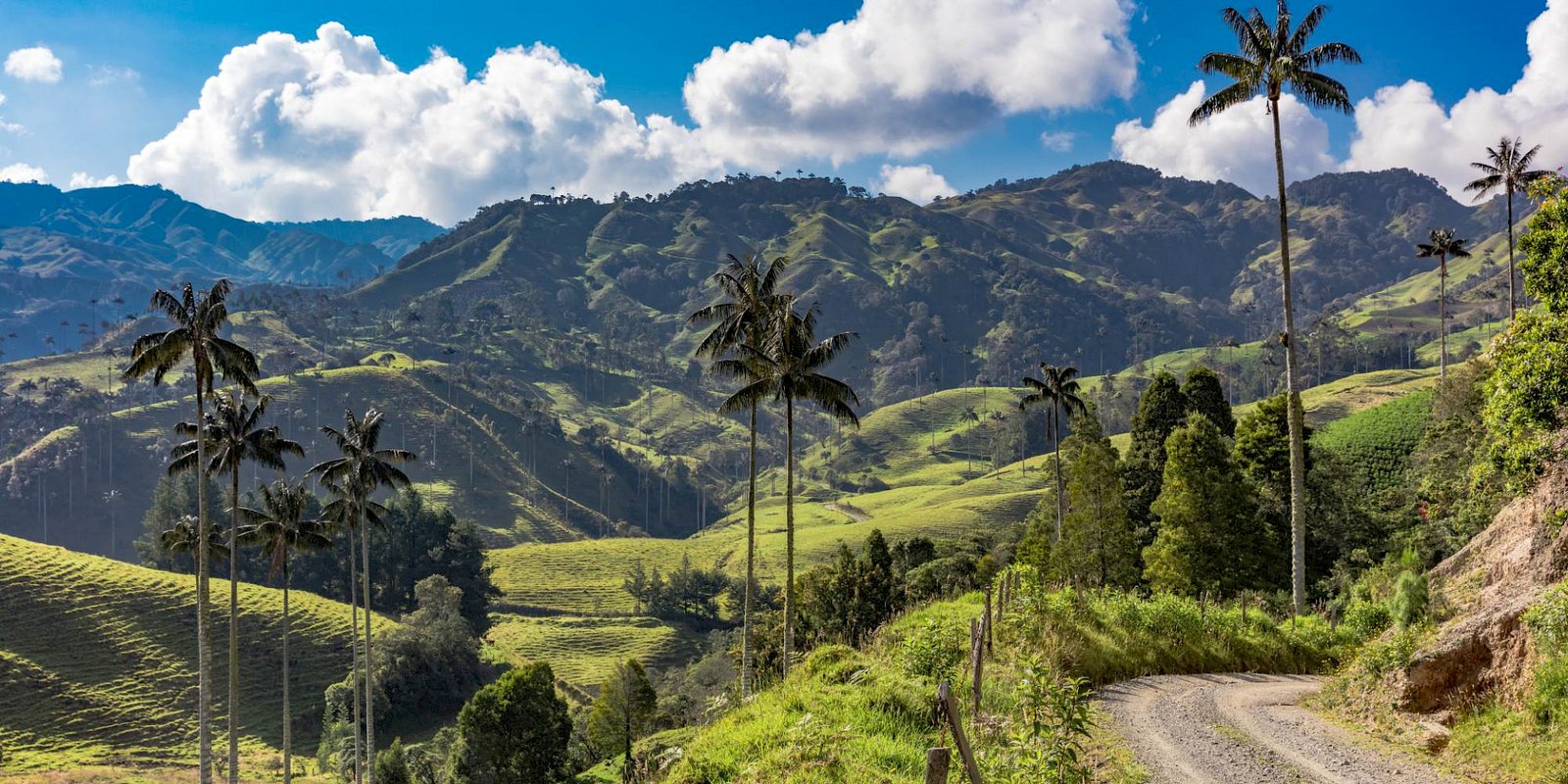
Nestled within the Andes, the Coffee Triangle, comprising the regions of Caldas, Quindío, and Risaralda, is a UNESCO World Heritage site recognized not only for its stunning landscapes but also for its contribution to the global coffee industry. Traveling through this region, one encounters lush coffee plantations, where the meticulous cultivation and harvesting processes unfold against a backdrop of verdant hills.
Colombian coffee is more than a beverage; it is a sensory journey through the peaks and valleys of the Andes, a testament to the dedication of generations of coffee growers, and a celebration of the natural beauty that shapes its flavor. As we sip a cup of Colombian coffee, we partake in a tradition that transcends borders, connecting us to the rich tapestry of Latin American coffee culture and the enduring legacy of excellence that elevates each Colombian bean.
A Mosaic of Flavors and Traditions
South America is a veritable coffee paradise, home to some of the world’s most renowned coffee-producing countries. The South American coffee region is a rich tapestry woven with lush landscapes, diverse climates, and a longstanding tradition of cultivating high-quality Arabica coffee. From the Andean heights to the Brazilian plateaus, South America’s coffee regions offer a mosaic of flavors that captivate coffee enthusiasts worldwide.

Colombia: The Land of Arabica Excellence
Colombia, often hailed as a coffee legend, occupies a significant place in the South American coffee landscape. The country’s diverse microclimates, ranging from the high-altitude regions of the Andes to the tropical lowlands, contribute to the distinctive flavor profile of Colombian coffee. Colombian Arabica, known for its bright acidity, medium body, and balanced sweetness, is often characterized by tasting notes that include citrus, caramel, and hints of nuttiness.
The iconic coffee regions of Colombia, such as Huila, Antioquia, and Nariño, have gained global recognition for their commitment to quality and consistency. The Colombian Coffee Growers Federation (FNC) plays a crucial role in promoting sustainable and ethical farming practices, ensuring that Colombian coffee maintains its reputation for excellence.
Brazil stands as the undisputed giant in the world of coffee production. The vast Brazilian plateaus, particularly in states like Minas Gerais and São Paulo, create an expansive coffee belt that spans diverse climates. Brazil is a major producer of both Arabica and Robusta coffee, catering to a broad spectrum of flavor preferences.
Brazilian Arabica, with its moderate acidity and prominent sweetness, often exhibits notes of chocolate, nuts, and tropical fruits. On the other hand, Brazilian Robusta, grown in regions like Espírito Santo, is valued for its bold body and earthy, woody flavors.
Brazil’s coffee industry is marked by innovation and modern farming practices, with an emphasis on large-scale production. The country’s coffee regions showcase the dynamic balance between traditional coffee estates and modern agribusiness, making Brazil a global coffee powerhouse.
Peru: The Emerging Specialty Coffee Gem
Peru, nestled in the heart of the Andes, has been gaining recognition as an emerging star in the specialty coffee scene. The country’s diverse microclimates, including regions like Cajamarca and Amazonas, contribute to the nuanced flavors found in Peruvian coffee. The commitment to organic and sustainable farming practices has positioned Peru as a source of high-quality, environmentally conscious coffee.
Peruvian Arabica is often celebrated for its bright acidity, medium body, and complex flavor profile that can include floral, fruity, and herbal notes. The rise of smallholder farmers and cooperatives has played a crucial role in elevating Peru’s coffee industry and fostering a sense of community around the craft.
Ecuador: From the Highlands to the Lowlands
Ecuador’s coffee regions, ranging from the high-altitude slopes of the Andes to the coastal lowlands, offer diverse flavors. The country’s coffee industry is characterized by its dedication to both Arabica and Robusta cultivation. While Arabica is prevalent in regions like Loja and Zamora-Chinchipe, Robusta is grown in the coastal areas, including the provinces of Guayas and Manabí.
Ecuadorian Arabica is known for its bright acidity, medium body, and flavor profile that can include citrus, floral, and chocolate notes. The country’s commitment to sustainable and shade-grown practices reflects a growing awareness of environmental responsibility within the coffee industry.
The South American coffee region is a testament to the continent’s role as a global coffee leader, shaping the world’s coffee culture with its diverse flavors and rich traditions. From the mountainous landscapes of Colombia to the expansive plateaus of Brazil, each country contributes a unique chapter to the South American coffee story. The dedication to quality, sustainability, and the preservation of cultural heritage positions South American coffee as an enduring and influential force in the global coffee landscape. As the region continues to evolve, it remains a source of inspiration for coffee enthusiasts, a testament to the symbiotic relationship between the land, the people, and the exquisite brew that brings them together.
Sipping Sunshine with the Unique Elegance of Hawaiian Coffee
Hawaii, a paradisiacal archipelago in the middle of the Pacific Ocean, is not only celebrated for its stunning landscapes but also for its exquisite coffee. The Hawaii coffee profile is a harmonious symphony of flavors that emerges from the fertile volcanic soils, sun-kissed slopes, and meticulous cultivation methods on the islands of Kona, Maui, and beyond.
Hawaii’s coffee cultivation is predominantly concentrated in the Kona region on the Big Island, the slopes of Haleakalā on Maui, and in smaller pockets on Oahu and other islands. The volcanic soils, combined with elevations ranging from 600 to 2,000 meters above sea level, create an optimal environment for coffee plants to thrive. This unique terroir imparts distinct characteristics to Hawaiian coffee beans.
Kona coffee, in particular, is revered for its cultivation on the slopes of Mauna Loa, where the combination of high altitude, ample sunshine, and well-drained volcanic soils contributes to a flavor profile that is coveted worldwide.
Hawaii is renowned for its cultivation of Arabica coffee, with Kona coffee being the most famous. Arabica beans, celebrated for their nuanced flavors, bright acidity, and aromatic qualities, find an ideal home in the Pacific archipelago’s diverse microclimates.
The meticulous cultivation and processing methods employed by Hawaiian coffee farmers contribute to the excellence of Kona coffee. The slow maturation process, influenced by the elevation and volcanic terroir, allows the beans to develop complex flavors, resulting in a cup that is both vibrant and sophisticated.
Hawaii’s coffee profile is characterized by a diverse range of flavor notes, influenced by the specific growing conditions of each region. Kona coffee, with its medium body and bright acidity, often features tasting notes that can include a combination of fruity, nutty, and chocolatey undertones. Maui coffee, grown on the slopes of Haleakalā, showcases a similar commitment to excellence, with beans that exhibit a unique interplay of flavors influenced by the volcanic landscape.
Each island contributes its own nuances to the overall Hawaiian coffee experience, creating a flavorful mosaic that reflects the diversity of the archipelago’s microclimates and elevations.
Hawaii’s coffee culture is deeply rooted in the islands’ history, dating back to the 19th century when coffee was first introduced. The Kona coffee belt, with its historic plantations and family-owned farms, stands as a testament to the enduring legacy of coffee cultivation in Hawaii.
The annual Kona Coffee Cultural Festival, a celebration of the region’s coffee heritage, brings together locals and visitors alike. It not only showcases the excellence of Kona coffee but also honors the traditions and cultural significance of coffee in Hawaii.
Hawaii’s coffee industry places a strong emphasis on sustainability and innovation. Many coffee farms in Hawaii are committed to organic and eco-friendly farming practices, ensuring the preservation of the islands’ natural beauty and resources.
In recent years, Hawaii has also seen the emergence of innovative processing methods, such as honey processing and natural processing. These techniques, inspired by global trends in specialty coffee, contribute to the unique and diverse flavor profiles found in Hawaiian beans.
Hawaii’s coffee, particularly Kona coffee, has gained global recognition for its quality and distinctiveness. Kona coffee is often sought after by connoisseurs and has received several awards in international coffee competitions.
The stringent regulations that govern the use of the “Kona coffee” label, ensuring that only coffee grown in the Kona district can bear the name, further emphasize the commitment to maintaining the region’s reputation for excellence.
Hawaii’s coffee profile is a celebration of elegance, flavor diversity, and a deep cultural connection to the land. From the sun-kissed slopes of Kona to the volcanic landscapes of Maui, each cup of Hawaiian coffee tells a story of meticulous cultivation, innovation, and a commitment to sustainability. As Hawaii continues to be a shining star in the world of specialty coffee, the flavors that emerge from its Pacific slopes serve as an invitation to savor the beauty and richness of this tropical paradise in every sip.
Unveiling the Distinctive Charms of Yemeni Coffee
Introduction:
Nestled in the cradle of the Arabian Peninsula, Yemen stands as the birthplace of coffee, boasting a heritage that stretches back over a millennium. The Yemen coffee profile is a tale steeped in history, tradition, and the unparalleled flavors of Arabica beans cultivated amidst the rugged landscapes of the Arabian highlands.
Yemen holds a unique place in the history of coffee, with the ancient city of Mocha serving as a historic gateway for the export of Yemeni coffee to the world. Legend has it that coffee cultivation in Yemen began in the 15th century, and the country’s landscapes, particularly the high-altitude regions of Haraz and Yemeni Western Highlands, have been nurturing the famed Arabica beans ever since.
The Yemeni coffee story is intertwined with Sufi mystics, who are said to have discovered the energizing properties of coffee cherries in the region’s mountainous terrains. The Yemeni port of Mocha became synonymous with the coffee trade, and Yemeni coffee beans quickly spread across the Arabian Peninsula and beyond.
Yemen’s coffee is primarily grown in the mountainous regions of the Arabian Peninsula, where elevations range from 1,000 to 2,500 meters above sea level. The country’s unique geography, characterized by terraced hillsides, deep valleys, and a hot and arid climate, creates an environment that is both challenging and conducive to the cultivation of high-quality Arabica coffee.
The altitude, combined with the ancient terracing methods employed by Yemeni farmers, contributes to the slow maturation of coffee cherries and the development of distinctive flavors that define Yemeni coffee.
Yemen’s coffee industry is celebrated for its cultivation of heirloom Arabica varietals that have been preserved and passed down through generations. The ancient varieties, including Typica and Bourbon, contribute to the Yemen coffee profile’s unique and diverse flavor spectrum. Yemeni coffee is often characterized by its nuanced acidity, full body, and a rich tapestry of tasting notes that can include winey, spicy, and fruity undertones.
The heirloom varieties showcase Yemen’s commitment to preserving its coffee heritage and resisting the homogenization of coffee cultivation seen in many other regions.
Yemeni coffee is cultivated using traditional and labor-intensive farming methods, many of which have been handed down through centuries. Terraced farming on the steep slopes of the Yemeni mountains allows for optimal sunlight exposure and efficient water usage. Yemeni farmers, often organized into small family-owned plots, meticulously tend to their coffee plants, emphasizing organic and sustainable practices.
Dry processing, a method where coffee cherries are left to dry with the fruit intact, is a hallmark of Yemeni coffee production. This unique processing method imparts distinct flavors to the beans, often characterized by a natural sweetness, complexity, and depth.
Coffee in Yemen is not just a beverage; it is an integral part of the country’s cultural fabric. Yemeni coffee traditions are deeply rooted in daily life, from the elaborate coffee ceremonies known as “qahwa” to the social gatherings where coffee is shared and stories are exchanged.
The Yemeni coffee culture transcends the act of drinking coffee; it symbolizes hospitality, community, and a connection to the land. Yemeni coffeehouses, known as “qishr,” serve as communal spaces where people come together to enjoy coffee, discuss matters of importance, and celebrate shared traditions.
Despite its historical significance and unique flavor profile, Yemen’s coffee industry faces numerous challenges, including political instability, water scarcity, and the threat of pests and diseases. The traditional and small-scale nature of Yemeni coffee farming makes it vulnerable to external pressures.
However, Yemeni coffee farmers, with their deep-rooted connection to the land and a commitment to preserving their coffee heritage, continue to overcome challenges. Efforts to improve infrastructure, enhance sustainability, and support local farmers are gaining traction, ensuring the resilience of Yemen’s coffee industry.
Yemen’s coffee profile is a living testament to the enduring legacy of a beverage that has transcended time and geography. The flavors that emanate from Yemeni coffee tell a story of ancient terrains, traditional farming wisdom, and a cultural heritage deeply intertwined with the art of coffee cultivation. As Yemen navigates the complexities of its present, each cup of Yemeni coffee carries the weight of history, the resilience of its people, and the enduring allure of a brew that has journeyed through centuries. Yemeni coffee is not merely a drink; it is a celebration of a rich and timeless tradition that continues to captivate coffee enthusiasts around the world.