
Navigating the Diverse Aromas and Traditions

Vietnam, a country with a rich cultural tapestry and breathtaking landscapes, has emerged as a significant player in the global coffee market. The Vietnam coffee profile tells a story of resilience, innovation, and a unique approach to coffee cultivation that has captivated the taste buds of coffee enthusiasts around the world.

Vietnam’s diverse geography, stretching from the mountainous regions of the north to the lush plateaus of the Central Highlands, provides an ideal environment for coffee cultivation. The country’s coffee belt, including regions like Buon Ma Thuot, Dak Lak, and Lam Dong, benefits from altitudes ranging from 500 to 1,800 meters above sea level.

The distinct microclimates in these regions contribute to the nuanced flavor profile of Vietnamese coffee. The high altitudes result in a slower maturation process for the coffee cherries, enhancing the complexity of the beans and influencing their flavor characteristics.

Vietnam is primarily known for its production of Robusta coffee, which constitutes the majority of the country’s coffee output. Robusta, known for its bold flavor and higher caffeine content compared to Arabica, thrives in Vietnam’s tropical climate and is well-suited to the country’s diverse topography.

The robusta-dominant Vietnam coffee profile is often characterized by a full body, lower acidity, and distinctively bold and earthy flavors. This robusta preference sets Vietnam apart in the global coffee landscape and has become a defining feature of its coffee culture.

Vietnam is renowned for its innovative coffee processing methods, most notably the production of Vietnamese iced coffee, locally known as “cà phê sữa đá.” This iconic beverage involves brewing strong Robusta coffee over condensed milk and then pouring it over ice. The result is a sweet, strong, and refreshing drink that has become a staple in Vietnamese coffee culture.

Additionally, Vietnam is a significant player in the production of instant coffee. The country’s instant coffee processing techniques have evolved to meet the demands of the global market, making Vietnamese coffee a ubiquitous presence in households worldwide.

Coffee has woven itself into the fabric of Vietnamese culture, becoming more than just a beverage; it’s a social ritual. The country’s sidewalk coffee culture, where locals gather at small makeshift cafes to enjoy a cup of coffee and conversation, is a testament to the communal significance of coffee in Vietnam.

Traditional Vietnamese coffee preparation methods, such as the use of the iconic drip filter or “phin,” exemplify the cultural fusion of tradition and innovation. The slow drip of coffee through a small metal filter not only imparts a unique flavor but also serves as a symbol of the meticulous and patient approach to coffee in Vietnam.

The flavor profile of Vietnamese coffee is distinctive and memorable. Robusta beans contribute to a strong, full-bodied cup with lower acidity, featuring bold notes of chocolate, nuts, and an earthy undertone. The sweetened condensed milk used in popular preparations adds a creamy texture and sweetness, creating a harmonious balance of flavors.

Vietnamese Arabica, though less common than Robusta, is gaining recognition for its unique characteristics. Grown in the high-altitude regions, Vietnamese Arabica offers a more complex flavor profile with floral and fruity notes, appealing to those seeking a different facet of Vietnamese coffee.

Vietnam’s coffee profile is a captivating blend of tradition, innovation, and cultural significance. The robusta dominance, innovative processing methods, and the deeply ingrained role of coffee in Vietnamese daily life contribute to the country’s distinctive coffee culture. As Vietnam continues to make its mark on the global coffee stage, the allure of its unique coffee profile remains an invitation to explore the diversity and richness of this Southeast Asian coffee powerhouse.

Delving into the Rich Coffee Heritage of West Central Sumatra

Nestled within the equatorial paradise of Indonesia, the West Central Sumatra region emerges as a distinguished contributor to the world of coffee. Known for its bold, earthy flavors and traditional wet-hulling processing methods, West Central Sumatra coffee offers a distinctive profile that reflects the region’s unique geography, cultural heritage, and time-honored cultivation practices.

West Central Sumatra, encompassing regions like Mandheling and Lintong, is situated on the island of Sumatra, where the fertile volcanic soils and high altitudes create an optimal environment for coffee cultivation. The unique terroir of this region plays a crucial role in shaping the flavor profile of West Central Sumatra coffee.

The high altitudes, ranging from 800 to 1,600 meters above sea level, contribute to a slow maturation process for the coffee cherries. This slow development, coupled with the volcanic soil, imparts a depth and complexity to the beans, resulting in a cup that is rich, full-bodied, and distinguished by its low acidity.

One of the hallmarks of West Central Sumatra coffee is the traditional wet-hulling or “Giling Basah” processing method. This unique technique involves removing the parchment from the coffee beans while they still retain a high moisture content. The beans are then sun-dried until they reach the desired moisture level. This process contributes to the distinct flavor profile associated with Sumatran coffees.

Wet-hulling imparts a syrupy body to the coffee, along with a low acidity and a distinctive earthiness. The method has been passed down through generations and is deeply ingrained in the cultural heritage of the region. It is this age-old practice that sets West Central Sumatra coffee apart and makes it a sought-after choice among coffee connoisseurs.

The flavor profile of West Central Sumatra coffee is a symphony of bold and complex notes. Renowned for its full body and low acidity, this coffee exhibits earthy, herbal, and spicy characteristics. Tasting notes often include hints of tobacco, cedar, and cocoa, creating a robust and distinctive cup.

The wet-hulling process contributes to the unique texture of the coffee, giving it a syrupy and almost wine-like quality. These flavor nuances, combined with the region’s unique terroir, result in a cup that is both exotic and comforting, making West Central Sumatra coffee a favorite among those who appreciate bold and adventurous brews.

Coffee holds a special place in the cultural heritage of West Central Sumatra. The cultivation of coffee in this region dates back centuries, with traditional farming practices and processing methods passed down through generations. The close-knit communities that cultivate coffee in West Central Sumatra participate in traditional ceremonies and rituals that celebrate the significance of coffee in their lives.

The emphasis on community and tradition in West Central Sumatra further enhances the cultural richness that infuses every cup of coffee produced in the region. The sense of pride in preserving these traditions adds an extra layer of depth to the overall coffee experience.

West Central Sumatra coffee is a testament to the harmonious interplay of geography, tradition, and innovation. From the volcanic slopes to the hands of skilled farmers employing wet-hulling techniques, each step in the journey of West Central Sumatra coffee contributes to the creation of a distinctive and memorable cup. As the world continues to explore and appreciate the diversity of global coffees, the bold and robust flavors of West Central Sumatra coffee stand as a testament to the unique and time-honored coffee culture that thrives in this enchanting Indonesian region.

Navigating the Rich Tastes and Traditions of Indonesian Coffee

Indonesia, an archipelago of more than 17,000 islands, is a powerhouse in the global coffee market. The Indonesian coffee profile is a captivating narrative that unfolds across diverse landscapes, unique processing methods, and a cultural heritage deeply intertwined with the art of coffee cultivation.

Indonesia’s sprawling geography plays a pivotal role in shaping the distinctive character of its coffee. Regions such as Sumatra, Java, Sulawesi, and Bali each contribute to the rich tapestry of Indonesian coffee. The volcanic soils, tropical climates, and varying altitudes in these regions create a diverse range of flavor profiles that showcase the country’s agricultural richness.

One of the key contributors to the unique taste of Indonesian coffee is the volcanic soil, which imparts mineral nuances to the beans. The high-altitude plantations, such as those found in Aceh and Toraja, contribute to a slower maturation process, resulting in beans with a depth of flavor and complexity.

Indonesia is renowned for its distinct coffee processing methods, notably the wet-hulling or “Giling Basah” technique. This method involves removing the parchment from the coffee beans while they still retain a high moisture content. The result is a unique flavor profile characterized by a full body, low acidity, and a distinctive earthiness.

Video Produced by Toby’s Estate Coffee Roasters

Sumatra, in particular, is famous for its wet-hulled coffees, such as Mandheling and Lintong. These coffees are prized for their bold, syrupy body and notes of cocoa, tobacco, and herbs. The wet-hulling process, coupled with Indonesia’s unique terroir, creates a cup that stands apart in the world of specialty coffee.

Coffee holds a special place in Indonesian culture and history. The Dutch colonization in the 17th century introduced coffee cultivation to the archipelago, and today, Indonesia is the fourth-largest producer of coffee globally. The cultural significance of coffee is evident in the traditional coffee ceremonies that are integral to many Indonesian communities.

In places like Java, where coffee cultivation has deep roots, the blend of traditional methods with modern practices reflects a cultural fusion that adds to the complexity of Indonesian coffee. The intricate dance of tradition and innovation is a defining feature of Indonesia’s coffee industry.

Indonesian coffee offers a diverse range of flavor profiles, but certain commonalities unite them. The wet-hulling process contributes to a full body and low acidity, making Indonesian coffee particularly appealing to those who enjoy a bold and robust cup. Earthy, spicy, and herbal notes often characterize the flavor profile, with hints of chocolate and tropical fruits adding layers of complexity.

In addition to wet-hulled coffees, Indonesia produces unique varieties, such as the rare and prized Kopi Luwak, which involves the beans being eaten, digested, and excreted by a civet. While controversial due to ethical concerns, Kopi Luwak exemplifies the innovation and diversity found in Indonesian coffee.

Indonesia’s coffee profile is a testament to the country’s geographical diversity, cultural heritage, and distinctive processing methods. From the volcanic soils of Sumatra to the high-altitude plantations of Java, Indonesian coffee offers a sensory journey that reflects the complexity and richness of this diverse archipelago. As the global appreciation for unique and exotic coffees grows, Indonesia’s place in the world of specialty coffee is secure, with its beans continuing to enchant coffee enthusiasts with their bold flavors and cultural resonance.

Elevating Taste through Altitude and Tradition

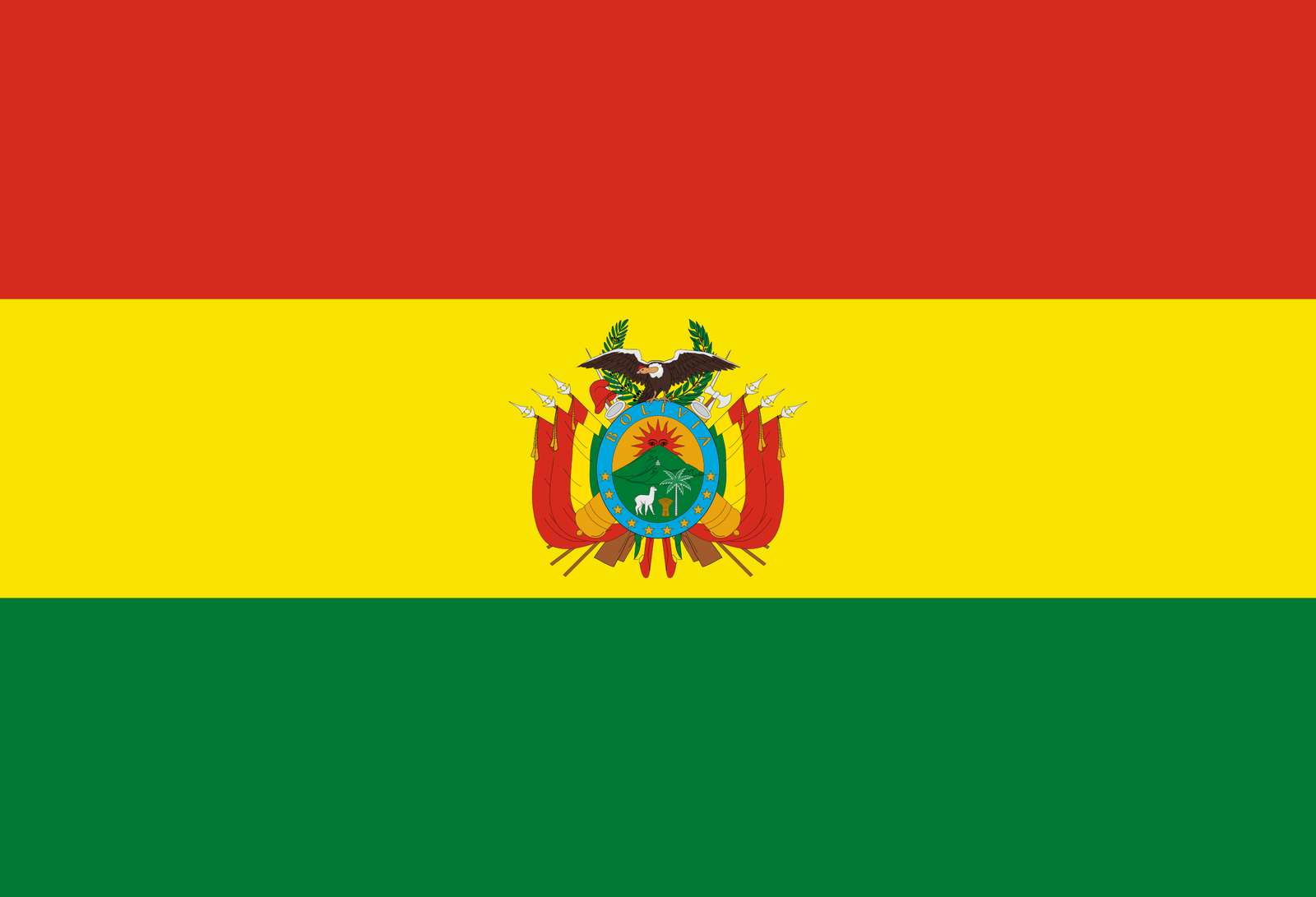
Bolivia, often overshadowed by its larger coffee-producing neighbors in South America, is quietly crafting a distinctive identity in the world of specialty coffee. The Bolivia coffee profile is an exquisite tale of high-altitude cultivation, unique microclimates, and a commitment to traditional farming practices that converge to create a cup of coffee that is both exceptional and emblematic of Bolivia’s rich agricultural heritage.

Bolivia’s coffee farms are situated in high-altitude regions, typically ranging from 1,200 to 2,000 meters above sea level. This elevation factor, shared with other renowned coffee-producing countries in the Andean region, significantly influences the flavor profile of Bolivian coffee. The slower maturation process at higher altitudes contributes to a more complex and nuanced taste, often characterized by a bright acidity and a well-balanced body.

Notable coffee regions in Bolivia, such as Caranavi and Yungas, showcase the impact of elevation on the beans. The cool temperatures and optimal growing conditions at these heights foster the development of unique flavor characteristics that set Bolivian coffee apart.

Bolivia is home to distinctive coffee varietals, including Typica, Bourbon, and Geisha. These varietals, coupled with traditional farming methods passed down through generations, contribute to the singular profile of Bolivian coffee. The commitment to preserving traditional techniques, such as shade-grown cultivation and manual harvesting, adds depth and authenticity to the coffee produced in the country.

The Typica variety, in particular, is celebrated for its balanced acidity and pleasant sweetness. Bourbon brings a rich and full-bodied quality to Bolivian coffee, while the Geisha varietal is prized for its exquisite floral and fruity notes. The combination of these varietals, cultivated with care and expertise, results in a cup that reflects the nuanced terroir of Bolivia.

Despite its potential, Bolivia faces challenges in its coffee industry, including limited infrastructure, access to markets, and climatic variations. However, the resilience of Bolivian coffee producers has been a driving force in overcoming these obstacles. Smallholder farmers, organized into cooperatives, play a pivotal role in maintaining the quality and sustainability of Bolivian coffee.

Additionally, initiatives promoting fair trade and organic certifications are gaining momentum in Bolivia, ensuring that the economic benefits of coffee production are equitably distributed, and the environmental impact is minimized.

Bolivian coffee offers a diverse and exciting flavor profile that captures the essence of its high-altitude cultivation. A typical Bolivian cup is characterized by a bright acidity that dances on the palate, accompanied by floral and citrusy notes that add a layer of complexity. The medium body and smooth finish make Bolivian coffee an approachable yet sophisticated choice for coffee enthusiasts.

The combination of elevation, varietals, and traditional farming practices creates a sensory experience that is both distinctive and memorable. Bolivian coffee is often likened to a symphony of flavors, where each note contributes to a harmonious and well-balanced composition.

Bolivia’s coffee profile is a testament to the country’s dedication to quality, tradition, and resilience. As the global demand for unique and exceptional coffees grows, Bolivia’s coffee industry is poised to carve out a more prominent place in the specialty coffee landscape. In every sip of Bolivian coffee, one can taste the elevation, the cultural heritage, and the commitment of Bolivian farmers to craft a cup that not only delights the senses but also tells a story of perseverance and passion.

Exploring the Unique Flavor Profile of Maracaibo

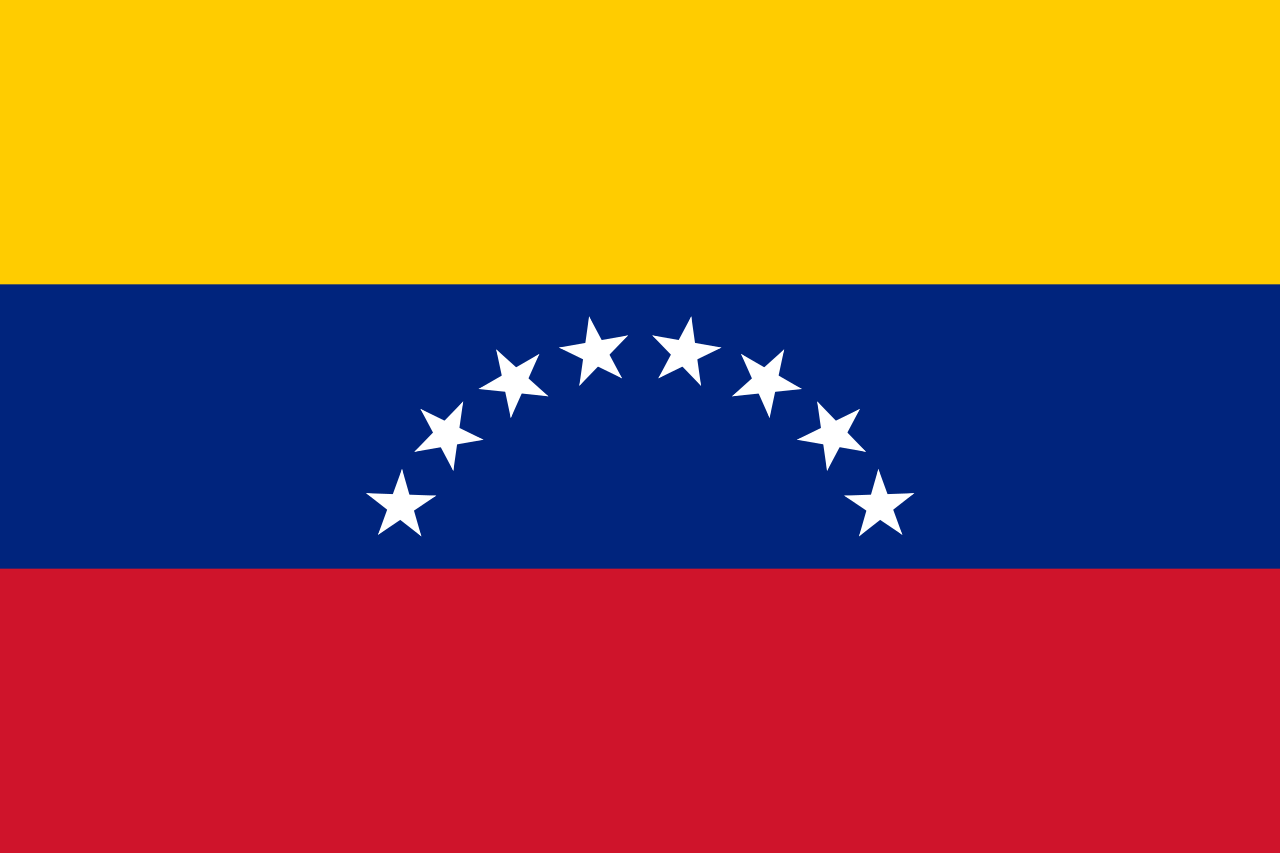
Venezuela, known for its rich cultural tapestry and diverse landscapes, has quietly been making waves in the world of coffee production. The Venezuela coffee profile, particularly associated with the Maracaibo region, tells a compelling story of altitude, distinctive varieties, and a historical legacy that collectively contribute to a unique and exceptional flavor experience.

The Maracaibo region, situated in the northwestern part of Venezuela, offers an ideal environment for coffee cultivation. The coffee farms here are often perched at elevations ranging from 1,000 to 2,000 meters above sea level, harnessing the benefits of altitude for slow and optimal cherry maturation. This elevation factor is crucial in shaping the flavor profile, contributing to a bright acidity and nuanced taste in the coffee.

The proximity to Lake Maracaibo also plays a role in creating a microclimate that is conducive to coffee production. The cool breezes from the lake, coupled with the region’s rich soils, contribute to the distinct characteristics of the beans, setting Venezuelan coffee apart.

One of the key factors that contribute to the uniqueness of the Venezuela coffee profile is the cultivation of specific coffee varieties. The Maracaibo region is known for growing the Maragogipe and Criollo varieties, both celebrated for their exceptional quality and distinctive flavors.

Maragogipe, often referred to as the “elephant bean” due to its large size, produces a cup with a rich body and a unique sweetness. Criollo, on the other hand, is renowned for its complex flavor profile, often characterized by floral and fruity notes. The combination of these varieties, along with meticulous farming practices, results in a cup of coffee that is both intriguing and memorable.

Venezuela has a rich coffee heritage that dates back to the 18th century when coffee cultivation was introduced to the country. Maracaibo, in particular, became a hub for coffee production, and its beans gained international acclaim for their quality. However, political and economic challenges in the latter half of the 20th century posed significant obstacles to the industry.

In recent years, there has been a resurgence of interest and investment in Venezuela’s coffee sector. Producers are reviving old plantations, implementing modern farming techniques, and rekindling the historical legacy of Maracaibo coffee. This revitalization not only promises economic benefits but also serves as a tribute to the country’s coffee traditions.

The flavor profile of Venezuelan coffee is a delightful symphony of bright acidity, medium body, and a diverse range of tasting notes. Maracaibo coffee often exhibits a citrusy acidity, complemented by a sweetness reminiscent of caramel or chocolate. The Criollo variety contributes floral undertones and a complexity that adds depth to the overall flavor experience.

The balanced and nuanced profile makes Venezuelan coffee suitable for a variety of brewing methods, from espresso to pour-over, allowing coffee enthusiasts to explore and appreciate its intricate flavors.

Venezuela’s coffee profile, particularly in the Maracaibo region, is a testament to the country’s commitment to quality and its resilience in the face of challenges. The unique combination of geographical factors, distinctive varieties, and a renewed focus on heritage has positioned Venezuelan coffee as a rising star in the specialty coffee world. As the industry continues to evolve, the flavors of Maracaibo coffee not only captivate the palate but also carry forward the rich history and traditions of Venezuela’s coffee renaissance.

A Symphony of Flavor and Biodiversity

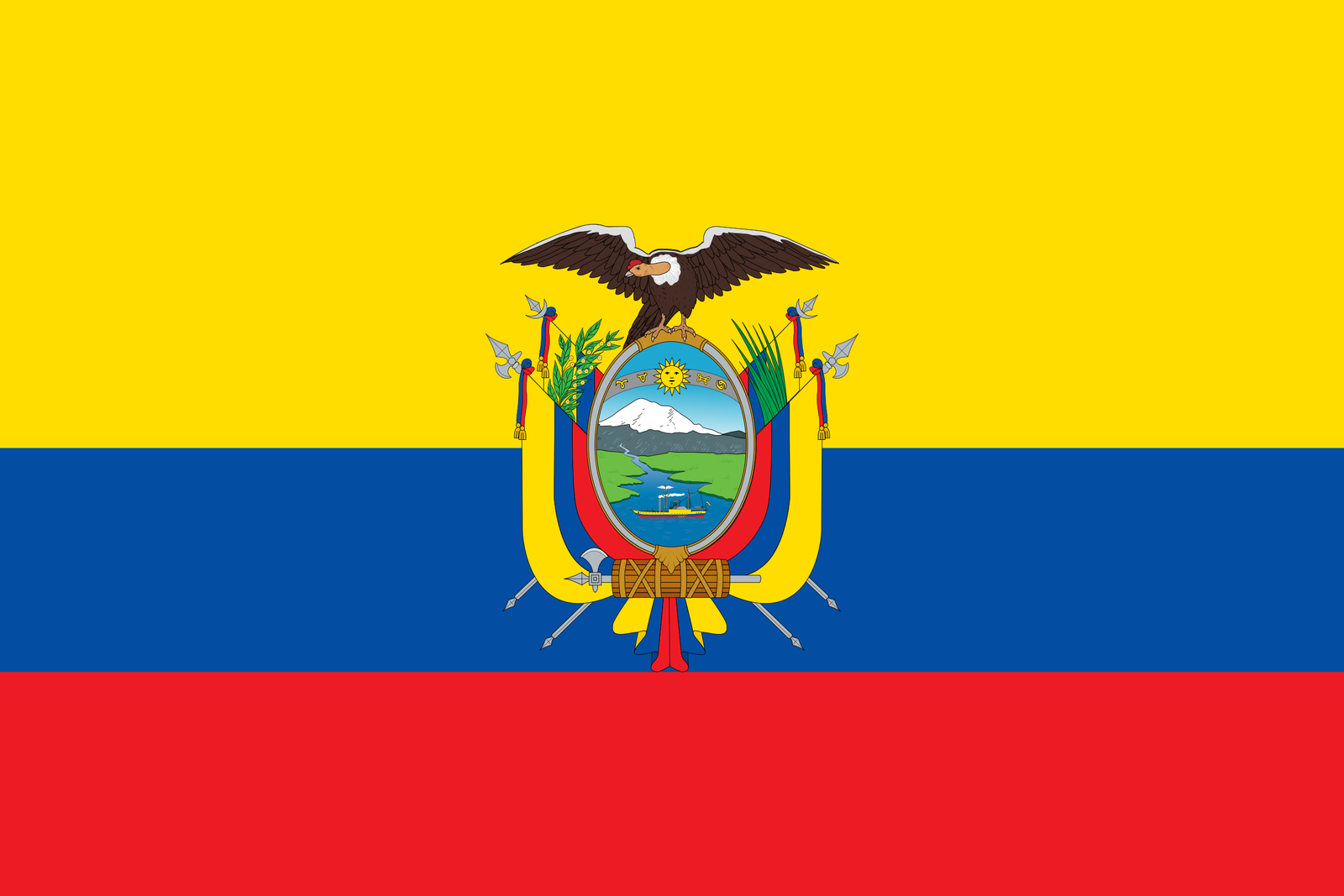
Nestled between Colombia and Peru, Ecuador stands as a burgeoning force in the world of specialty coffee. The Ecuador coffee profile is a captivating tale of elevation, diverse microclimates, and a commitment to sustainable agriculture that culminates in a symphony of flavors unique to this South American nation.

Ecuador’s diverse geography, marked by the towering peaks of the Andes, the lush Amazon rainforest, and the coastal lowlands, provides an ideal canvas for the cultivation of coffee. The coffee-producing regions, including Loja, Zamora-Chinchipe, and Pichincha, showcase the impact of altitude and microclimate on the flavor profile of Ecuadorian coffee.

The country’s coffee farms are situated at elevations ranging from 1,000 to 2,000 meters above sea level, contributing to a slow maturation process for the coffee cherries. This prolonged development allows for the creation of nuanced and complex flavors, often characterized by bright acidity, floral notes, and a distinctive sweetness.

Ecuador’s coffee industry is marked by a strong commitment to sustainability and environmental conservation. Many Ecuadorian coffee producers embrace agroforestry, cultivating coffee plants alongside native trees, which not only preserves biodiversity but also enhances the quality of the coffee beans.

Organic farming practices are widespread, with numerous farms obtaining certifications such as USDA Organic and Rainforest Alliance. This dedication to sustainable agriculture not only ensures the health of the environment but also contributes to the exquisite taste and purity of Ecuadorian coffee.

Ecuadorian coffee boasts a flavor profile that is both sophisticated and diverse. The high-altitude cultivation, combined with the country’s varied microclimates, results in a wide array of tasting notes. Commonly, Ecuadorian coffee exhibits a bright and lively acidity, making it an appealing choice for those who appreciate a vibrant cup.

Flavor notes may include floral undertones, reminiscent of jasmine or citrus blossoms, as well as a pronounced sweetness. Chocolatey and nutty nuances are also prevalent, offering a rich and well-rounded flavor experience. The combination of these elements creates a cup of coffee that is not only delicious but also complex and memorable.

Ecuadorian coffee cultivation is deeply entwined with the country’s cultural identity. Indigenous communities, such as the Kichwa and Shuar, have been cultivating coffee for generations, preserving traditional methods and passing down their agricultural wisdom. The cultural significance of coffee is evident in the rituals and ceremonies that surround its cultivation and consumption, making it an integral part of Ecuadorian heritage.

In every sip of Ecuadorian coffee, one can taste the culmination of geographical diversity, sustainable practices, and cultural heritage. The elevation, microclimates, and commitment to environmental stewardship converge to create a coffee profile that is both elegant and complex. As Ecuador’s coffee industry continues to gain recognition on the global stage, it is not only the flavor that captivates but also the story of a nation dedicated to producing exceptional coffee with a deep respect for its land and people.