As Good as It Gets
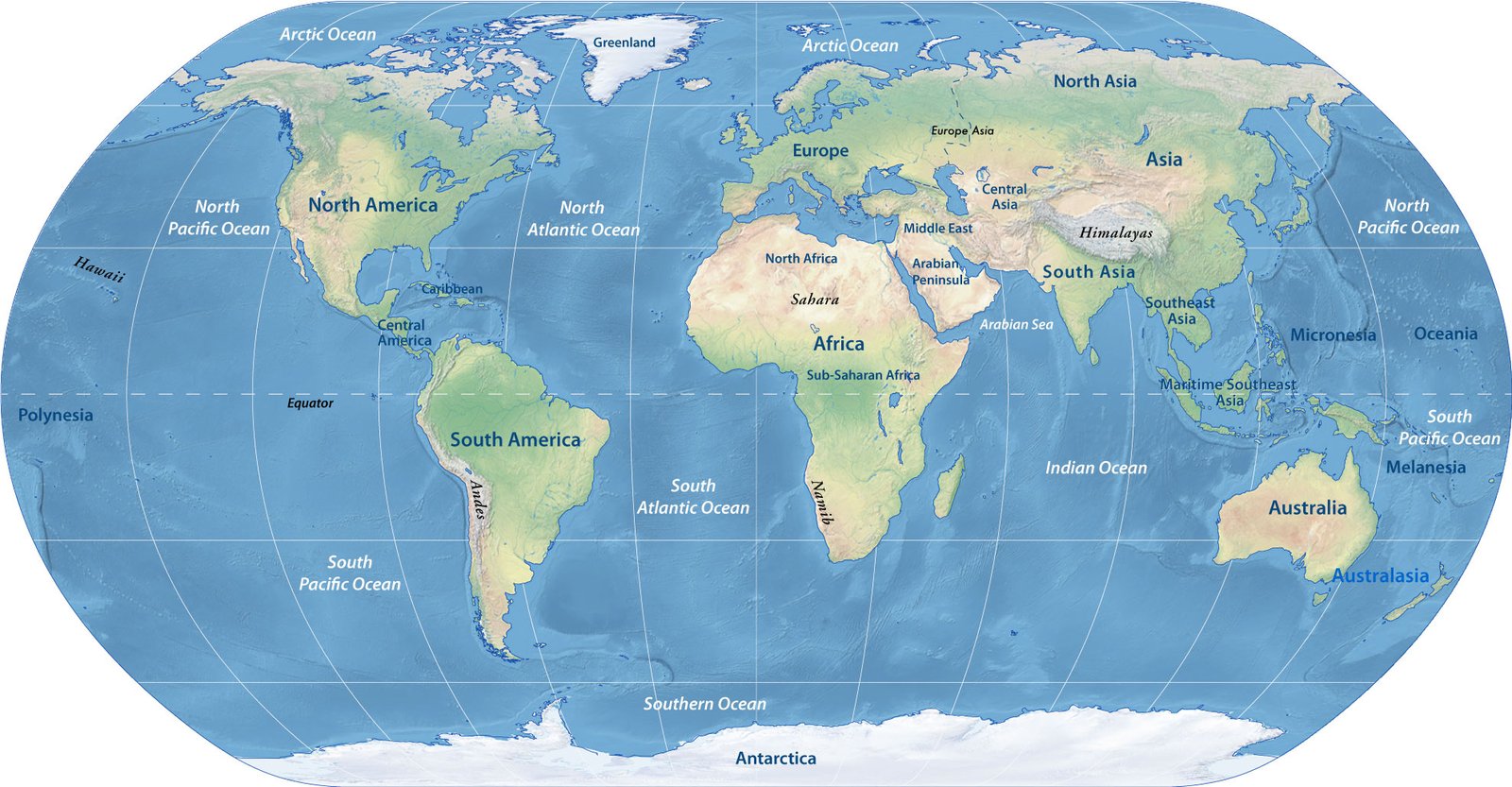
Coffee is grown in various countries around the world, primarily within the tropical belt known as the “coffee belt.” Here is a list of countries and territories where coffee beans are cultivated:
This list covers the primary coffee-producing countries and territories, but it’s important to note that within each country, coffee is often grown in specific regions with unique microclimates, altitudes, and soil conditions. These factors contribute to the distinct flavor profiles of coffee beans from different origins. Additionally, the coffee industry is dynamic, and new regions may emerge as coffee cultivation evolves.


Other Regions:
The Diverse Landscapes of the Birthplace of Coffee
Africa, often referred to as the birthplace of coffee, is a continent with a rich and diverse coffee heritage. The African coffee region is a tapestry woven with the flavors of Ethiopian highlands, the boldness of Kenyan beans, the elegance of Tanzanian coffees, and the vibrant traditions that have shaped the continent’s coffee culture.
Ethiopia: The Cradle of Coffee Diversity
Ethiopia, the undisputed birthplace of coffee, is a country that boasts unparalleled diversity in its coffee offerings. The Ethiopian coffee region is characterized by its high-altitude plateaus, fertile soils, and ancient cultivation methods. Arabica beans, believed to have originated in the forests of Ethiopia, thrive in regions like Sidamo, Yirgacheffe, and Harrar.
Ethiopian coffees are celebrated for their unique flavor profiles, including floral notes, fruity undertones, and a distinctive winey acidity. The traditional processing methods, such as natural and washed, contribute to the complexity and depth of Ethiopian coffees, making them a hallmark of specialty coffee worldwide.
Kenya: Boldness and Brilliance
Kenya, nestled in East Africa, is renowned for its bold and vibrant coffees. The Kenyan coffee region, with its high-altitude plateaus and volcanic soils, produces Arabica beans known for their full body, bright acidity, and a flavor profile that includes citrus, blackcurrant, and floral notes.
The meticulous sorting and grading system in Kenya ensures the highest quality in every cup. Kenyan coffees, often grown by smallholder farmers organized into cooperatives, reflect a commitment to excellence and a focus on sustainable and ethical practices.
Tanzania: Elegance from Kilimanjaro to Arusha
Tanzania, with its majestic landscapes that include Mount Kilimanjaro and the slopes of Mount Meru, contributes to the African coffee mosaic with its elegant Arabica beans. The Tanzanian coffee region, encompassing regions like Arusha, Mbeya, and Kilimanjaro, showcases the diversity of flavors influenced by the country’s microclimates.
Tanzanian coffees are known for their bright acidity, medium body, and tasting notes that can range from citrus to chocolate and spice. The peaberry beans, a unique feature of Tanzanian coffee, are prized for their distinct round shape and concentrated flavor.
In Africa, coffee is not merely a beverage; it is a cultural cornerstone that fosters community, conversation, and celebration. Traditional coffee ceremonies, such as the Ethiopian coffee ceremony known as “bunna,” are significant social events that bring people together. Coffee is woven into the fabric of daily life, from the markets of Addis Ababa to the bustling streets of Nairobi, becoming a symbol of hospitality and connection.
African coffee regions face challenges, including climate change, fluctuating market prices, and limited access to resources. However, sustainability initiatives, such as agroforestry practices, organic farming, and fair trade partnerships, are gaining traction. African coffee producers are actively engaged in preserving their ecosystems and promoting economic empowerment within their communities.
African coffees hold a significant place in the global coffee market, often setting the standard for specialty coffee. The distinctiveness of Ethiopian, Kenyan, and Tanzanian coffees has contributed to the rise of single-origin offerings and the exploration of unique flavor profiles by roasters and consumers alike.
The African coffee region is a testament to the continent’s pivotal role in the global coffee narrative. From the ancient highlands of Ethiopia to the picturesque landscapes of Kenya and Tanzania, each country contributes a chapter to the story of African coffee splendor. As the continent navigates the challenges and opportunities in the coffee industry, the flavors that emerge from African beans continue to captivate, inspire, and celebrate the rich heritage of the birthplace of coffee. Each cup brewed from African beans becomes a journey through the landscapes, traditions, and flavors that define the heart of the African coffee experience.
Sowing the Seeds of Coffee Excellence in the Heart of Africa
Uganda, often referred to as the “Pearl of Africa” for its diverse landscapes and fertile soils, is also gaining recognition as a prominent player in the global coffee market. The country’s coffee industry, anchored by the robusta variety, is characterized by unique flavor profiles, sustainable practices, and a commitment to uplifting the livelihoods of smallholder farmers.
The majority of coffee cultivated in Uganda is robusta, which thrives in the country’s low-altitude regions, including areas like Central and Eastern Uganda. Robusta beans from Uganda are known for their bold flavor, full body, and distinctive earthy and chocolatey notes. The country’s equatorial climate, coupled with well-drained soils, creates an optimal environment for robusta cultivation.
One of the key factors contributing to the distinct flavor profile of Ugandan coffee is the wet processing method. This method involves pulping the coffee cherries, fermenting the beans, and washing them before drying. The meticulous processing enhances the cleanliness and vibrancy of the beans, contributing to the overall quality of Ugandan coffee.
In recent years, there has been a growing interest in specialty coffee in Uganda. While robusta is the dominant variety, there is also a focus on improving the quality and marketability of arabica beans, particularly in the high-altitude regions of Mount Elgon and the Rwenzori Mountains. Arabica beans from Uganda exhibit a different flavor profile, often featuring brighter acidity, floral notes, and a more nuanced taste.
Sustainability and ethical practices are integral to Uganda’s coffee industry. The government, along with various non-governmental organizations and international partners, has implemented initiatives to promote environmentally friendly farming practices, support smallholder farmers, and ensure fair wages. Uganda’s commitment to sustainability aligns with the global trend of consumers seeking responsibly sourced and ethically produced coffee.
The Uganda Coffee Development Authority (UCDA) plays a central role in coordinating the country’s coffee industry. Through certification programs such as UTZ and Rainforest Alliance, the UCDA ensures that coffee production adheres to rigorous social and environmental standards. These certifications not only enhance the marketability of Ugandan coffee but also contribute to the long-term sustainability of the industry.
Terms like “Ugandan robusta” and “Uganda single origin” are gaining recognition in the specialty coffee market. Ugandan coffee has received acclaim in international competitions, further establishing its reputation for quality. As consumer awareness grows, more coffee enthusiasts are seeking out Ugandan beans to experience the unique flavors that the country has to offer.
The socio-economic impact of the coffee industry in Uganda is substantial. The majority of coffee farmers in Uganda are smallholders, and coffee production provides employment and income for a significant portion of the population. The focus on sustainable and ethical practices contributes to the well-being of these farmers and their communities.
In conclusion, Uganda’s coffee profile is marked by the boldness of its robusta beans and the potential of its arabica varieties. The country’s commitment to sustainability, quality improvement, and ethical practices positions Ugandan coffee as a noteworthy contender in the global coffee arena. As Uganda continues to refine its coffee offerings and gain recognition for its unique flavors, it invites coffee enthusiasts to explore the diverse and rich tapestry of tastes that the Pearl of Africa brings to the cup.
Navigating the Rich Flavors and Resilience of the Democratic Republic
The Democratic Republic of Congo (DRC), a vast and resource-rich country in Central Africa, is gradually reclaiming its place in the global coffee market. While the nation has faced numerous challenges, including periods of political instability and conflict, the DRC’s coffee industry is emerging with a unique profile that reflects the country’s potential for producing exceptional Arabica beans.
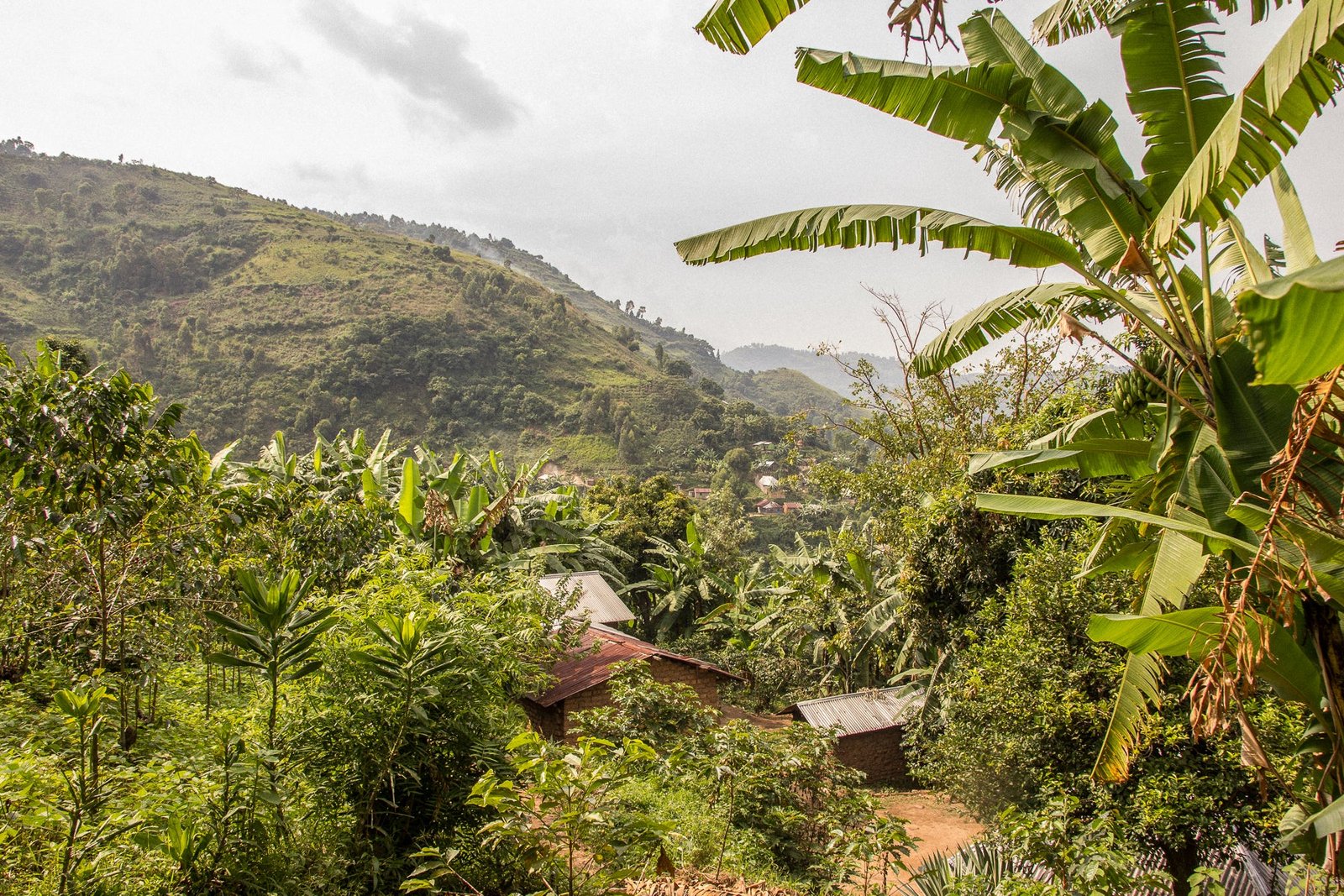
Coffee cultivation in the DRC is primarily focused on Arabica varieties, grown in the eastern provinces such as South Kivu, North Kivu, and Ituri. The high altitudes, volcanic soils, and equatorial climate provide an ideal environment for Arabica beans to flourish. Notable coffee-growing areas include the hills surrounding Lake Kivu, where the combination of altitude and lush landscapes contributes to the distinct terroir of Congolese coffee.
The flavor profile of DRC coffee is marked by bright acidity, medium body, and a diverse array of flavors. Coffee from the region often exhibits fruity and floral notes, with hints of citrus, berries, and sometimes chocolate. The unique terroir, characterized by the volcanic soils and specific microclimates, imparts a nuanced taste that distinguishes Congolese coffee in the global market.
The Democratic Republic of Congo’s coffee industry has faced challenges due to decades of conflict, but recent efforts to rebuild and revitalize the sector have gained momentum. Organizations such as the Eastern Congo Coffee Initiative (ECCI) and various cooperatives are working to support smallholder farmers, improve processing methods, and enhance the overall quality of Congolese coffee. These initiatives not only contribute to economic development but also highlight the resilience and determination of the Congolese people.
Sustainability is a key focus in the DRC’s coffee industry, with an emphasis on organic farming practices and environmental conservation. Many farmers in the region are transitioning to organic cultivation, avoiding synthetic pesticides and fertilizers. The commitment to sustainability aligns with the increasing demand for responsibly sourced and ethically produced coffee, positioning DRC coffee as an attractive choice for environmentally conscious consumers.
In recent years, terms like “Congolese Arabica” and “DRC single origin” have started to gain recognition in the specialty coffee market. As awareness grows, consumers are becoming more curious about the unique flavors that Congolese coffee brings to the cup. International competitions and showcases have also provided a platform for Congolese coffee to shine, further boosting its visibility and credibility.
The socio-economic impact of the coffee industry in the DRC is significant, particularly in rural areas where smallholder farmers are the backbone of the sector. The revitalization of the coffee industry has the potential to provide income, employment, and improved living standards for local communities, contributing to the broader goals of sustainable development.
In conclusion, the Democratic Republic of Congo’s coffee profile is a testament to the resilience of its people and the potential of its land. Despite challenges, the nation is reclaiming its status as a producer of high-quality Arabica coffee, offering a unique and flavorful experience to coffee enthusiasts. As the DRC’s coffee industry continues to develop, it not only contributes to economic growth but also showcases the rich tapestry of flavors that emerge from the heart of Africa. Congolese coffee invites the world to rediscover and appreciate the distinctive qualities that make it a noteworthy player in the global specialty coffee landscape.
A Journey into the Enchanting World of Warmth, Flavor, and Resilience
Malawi, a landlocked country in southeastern Africa, might not be the first nation that comes to mind when thinking about coffee origins. Still, this vibrant African nation has been quietly cultivating a niche for itself in the world of specialty coffee. Malawi’s coffee profile reflects the unique characteristics of its landscapes, the dedication of its farmers, and the growing recognition of the country’s potential in the global coffee market.
Coffee cultivation in Malawi is centered around the Arabica variety, primarily grown in the highlands of the northern and central regions. The altitude, ranging from 800 to 2,000 meters, contributes to the unique flavor profile of Malawian coffee. Notable coffee-growing regions include Mzuzu, Viphya, and the Mulanje Massif, each offering distinct terroirs that influence the taste and aroma of the beans.
Malawi’s Arabica beans are celebrated for their bright acidity, medium body, and flavor palette that often includes citrusy and fruity notes. The cool temperatures and well-drained volcanic soils in the high-altitude regions create optimal conditions for slow bean maturation, resulting in a nuanced and complex cup profile. The efforts of smallholder farmers and estate owners contribute to the quality and consistency of Malawian coffee.
One of the standout features of Malawi’s coffee industry is its commitment to sustainability and ethical practices. The country has embraced initiatives such as the UTZ and Rainforest Alliance certifications, highlighting a dedication to environmentally friendly farming methods and fair labor practices. These certifications not only appeal to conscientious consumers but also position Malawian coffee as a responsible choice in the global market.
Malawi’s coffee profile is not only shaped by its terroir but also by the processing methods employed by local farmers. Wet processing, where the beans are pulped and fermented before drying, is a common practice in Malawi. This meticulous processing contributes to the cleanliness and vibrant acidity that characterize Malawian coffee.
The Mzuzu Coffee Planters Cooperative Union, established in 2007, has played a crucial role in coordinating smallholder farmers and promoting sustainable practices. Through this cooperative, farmers gain access to training, resources, and fair market opportunities, fostering a sense of community and shared success.
In terms of market recognition, Malawi coffee is making strides in the specialty coffee sector. Terms like “Malawian Arabica” and “Malawi single origin” are gaining visibility, signaling to consumers that they can expect unique and high-quality beans. Malawi has also participated in international coffee competitions, further bolstering its reputation as a source of exceptional Arabica coffee.
The socio-economic impact of the coffee industry in Malawi is substantial, providing income and employment for a significant portion of the population. The focus on sustainability and ethical practices aligns with the broader goal of improving the livelihoods of smallholder farmers and contributing to the economic development of the country.
In conclusion, Malawi’s coffee profile is a story of quality, sustainability, and community. The nation’s commitment to producing exceptional Arabica beans, coupled with ethical and environmentally friendly practices, is propelling Malawi onto the global stage. As coffee enthusiasts explore the diverse world of specialty coffee, Malawian coffee offers a unique and flavorful experience, inviting them to savor the nuances of this emerging origin.
Extraordinary Coffee, Unique Terroir, and the Unfolding Tale of a Java Jewel
As a country with a tumultuous history, Angola has faced numerous challenges in the realm of agriculture, including coffee cultivation. Historically, Angola was a significant player in the global coffee market, renowned for its Arabica beans. However, the civil war that ravaged the country for nearly three decades, from the mid-20th century until 2002, severely impacted the coffee industry. In recent years, efforts have been made to revive and rejuvenate Angola’s coffee sector, shedding light on the unique coffee profile that this African nation has to offer.
Angola’s coffee industry primarily centers around Arabica beans, which thrive in the country’s high-altitude regions, such as the mountains of Uige and Cabinda. The elevation, combined with the tropical climate, provides favorable conditions for the cultivation of high-quality coffee. The distinct terroir of Angola imparts unique characteristics to its beans, offering a potential niche in the global coffee market.
The flavor profile of Angolan coffee is influenced by the country’s diverse geography, including its mountainous landscapes and proximity to the Atlantic Ocean. Arabica beans from Angola often exhibit a medium body, bright acidity, and a flavor palette that can include fruity and floral notes. The slow maturation of the coffee cherries at higher altitudes contributes to the nuanced taste, offering a promising foundation for specialty coffee production.
Sustainability and ethical practices are becoming integral to Angola’s efforts to revive its coffee industry. NGOs, government initiatives, and private enterprises are working together to support smallholder farmers, implement environmentally friendly practices, and improve the overall quality of Angolan coffee. These efforts align with the global trend toward responsible and sustainable coffee production, adding value to Angolan beans in the eyes of environmentally conscious consumers.
While Angola is not yet a dominant force in the specialty coffee market, there is a growing recognition of its potential. Terms like “Angolan Arabica” and “Angolan single origin” are gradually gaining traction, reflecting the emerging interest in the distinct flavors that Angolan coffee can bring to the cup. As the industry continues to develop, Angola has an opportunity to position itself as a source of unique and high-quality Arabica beans.
The socio-economic impact of the coffee industry in Angola is noteworthy. Smallholder farmers, who form the backbone of coffee cultivation in the country, stand to benefit from the revitalization efforts. Increased investment, access to resources, and improved market linkages can contribute to the upliftment of local communities, aligning with the broader goals of sustainable development.
Angola’s coffee profile is a tale of resilience and revival. The country, once a prominent player in the global coffee market, is making strides to reclaim its position. The unique terroir, coupled with efforts to ensure sustainable and ethical practices, positions Angolan coffee as a promising contender in the specialty coffee arena. As the industry gains momentum, coffee enthusiasts have the opportunity to explore and appreciate the distinct flavors that Angola brings to the global coffee cup.