As Good as It Gets
Coffee is grown in various countries around the world, primarily within the tropical belt known as the “coffee belt.” Here is a list of countries and territories where coffee beans are cultivated:
This list covers the primary coffee-producing countries and territories, but it’s important to note that within each country, coffee is often grown in specific regions with unique microclimates, altitudes, and soil conditions. These factors contribute to the distinct flavor profiles of coffee beans from different origins. Additionally, the coffee industry is dynamic, and new regions may emerge as coffee cultivation evolves.
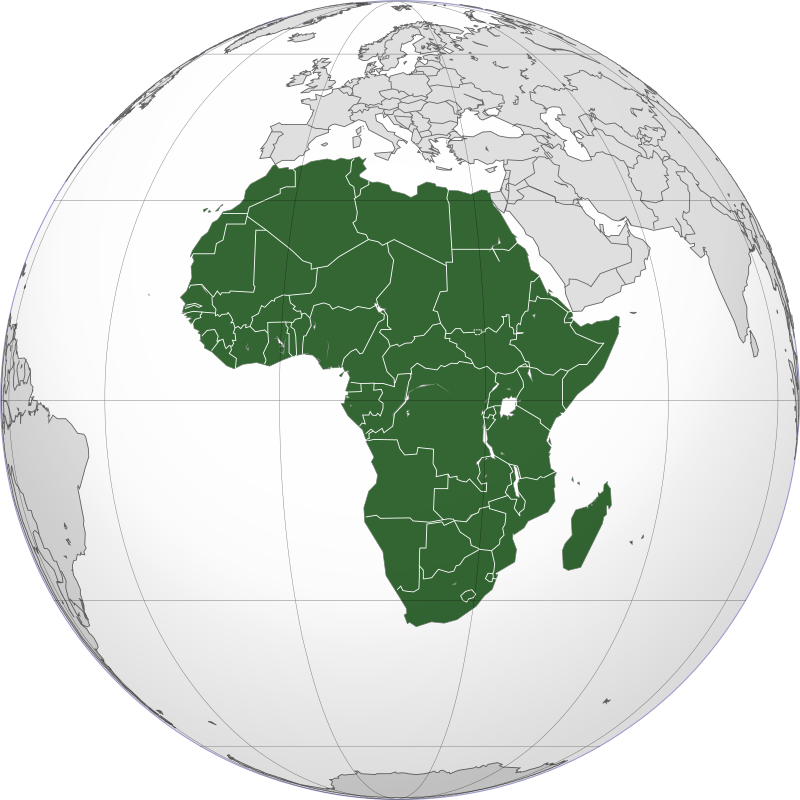
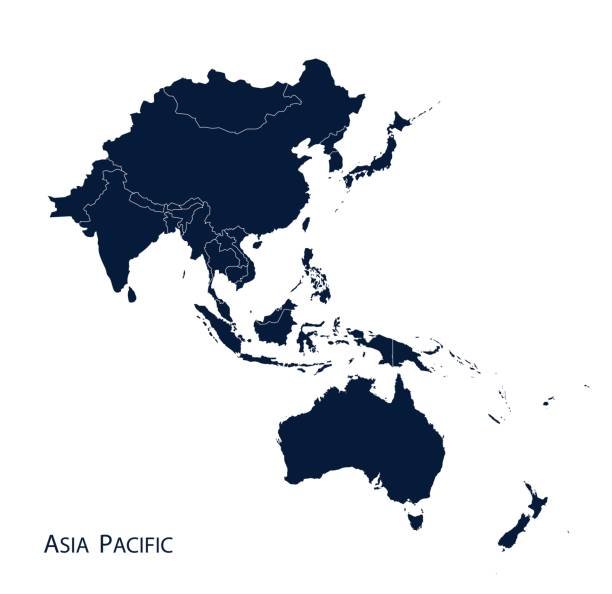
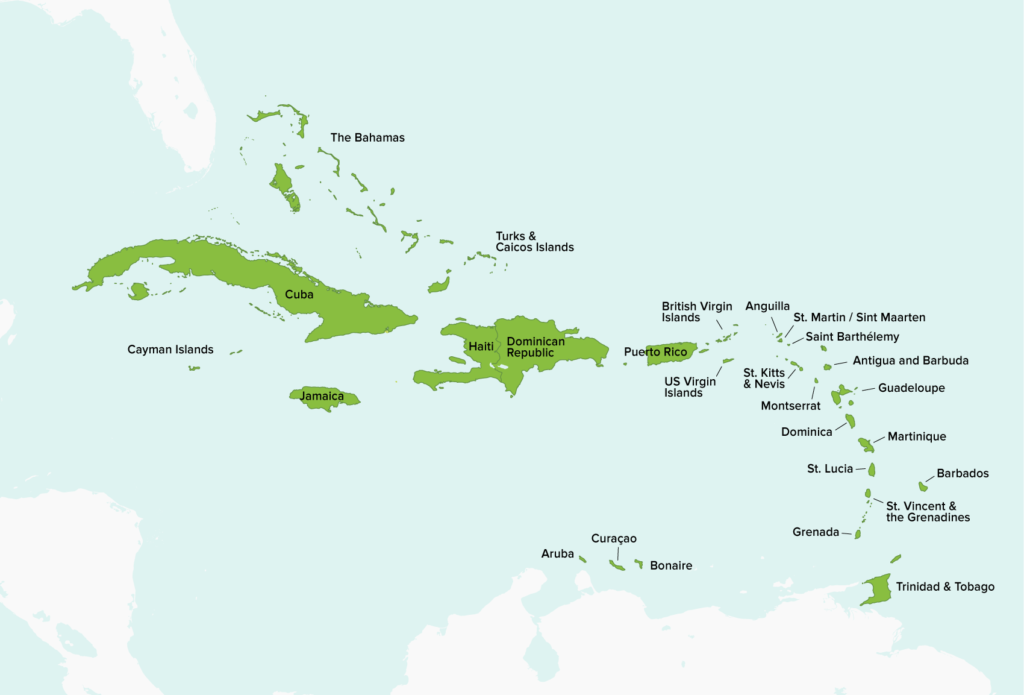
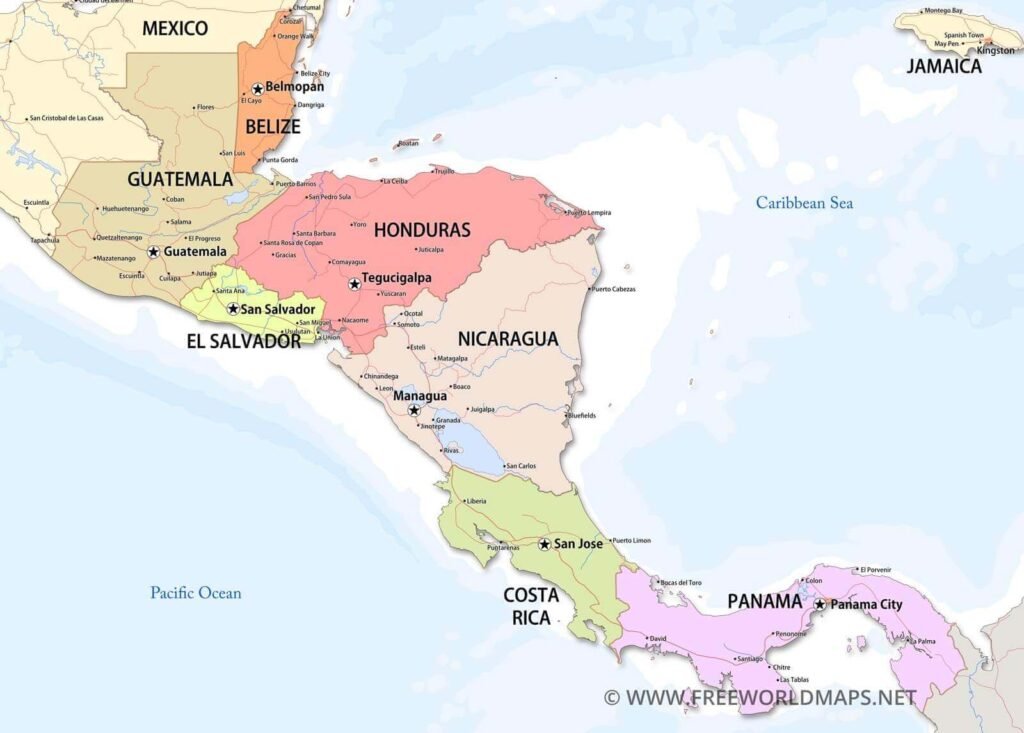
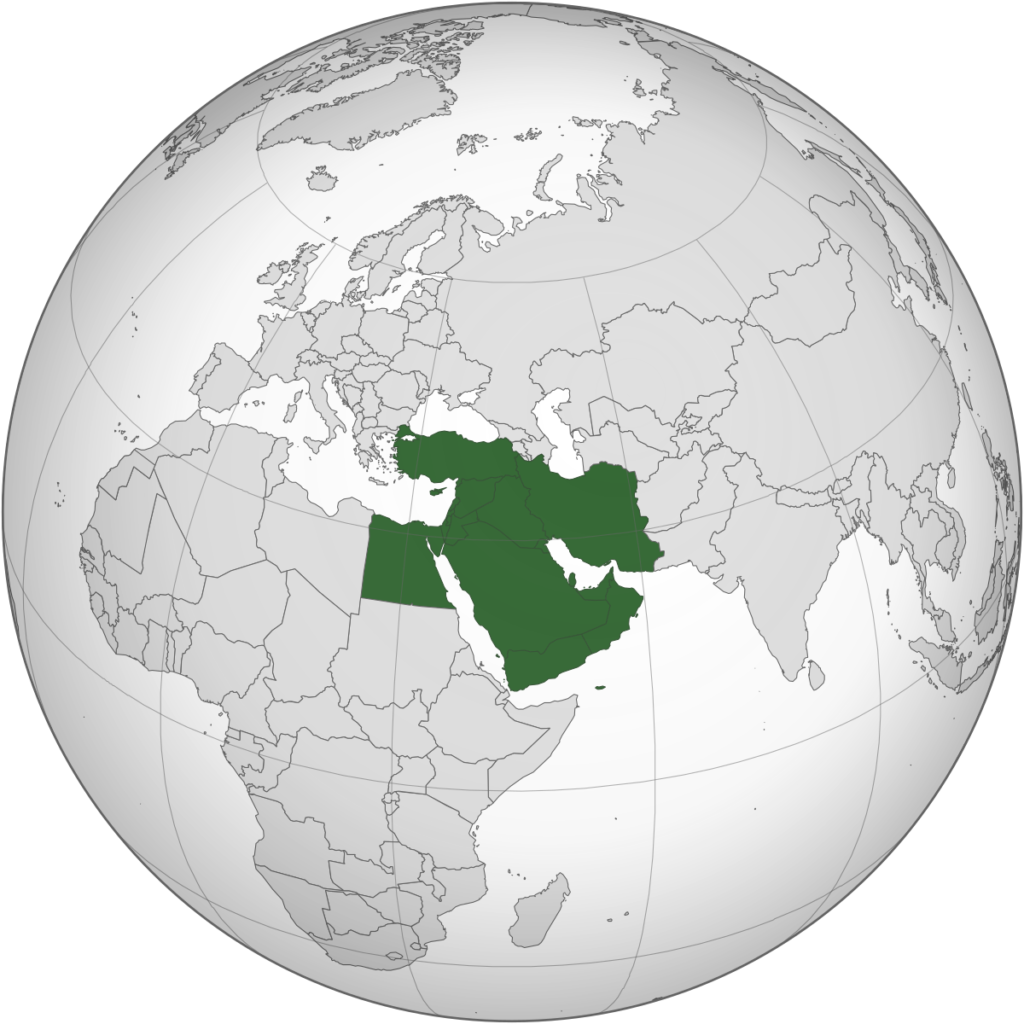

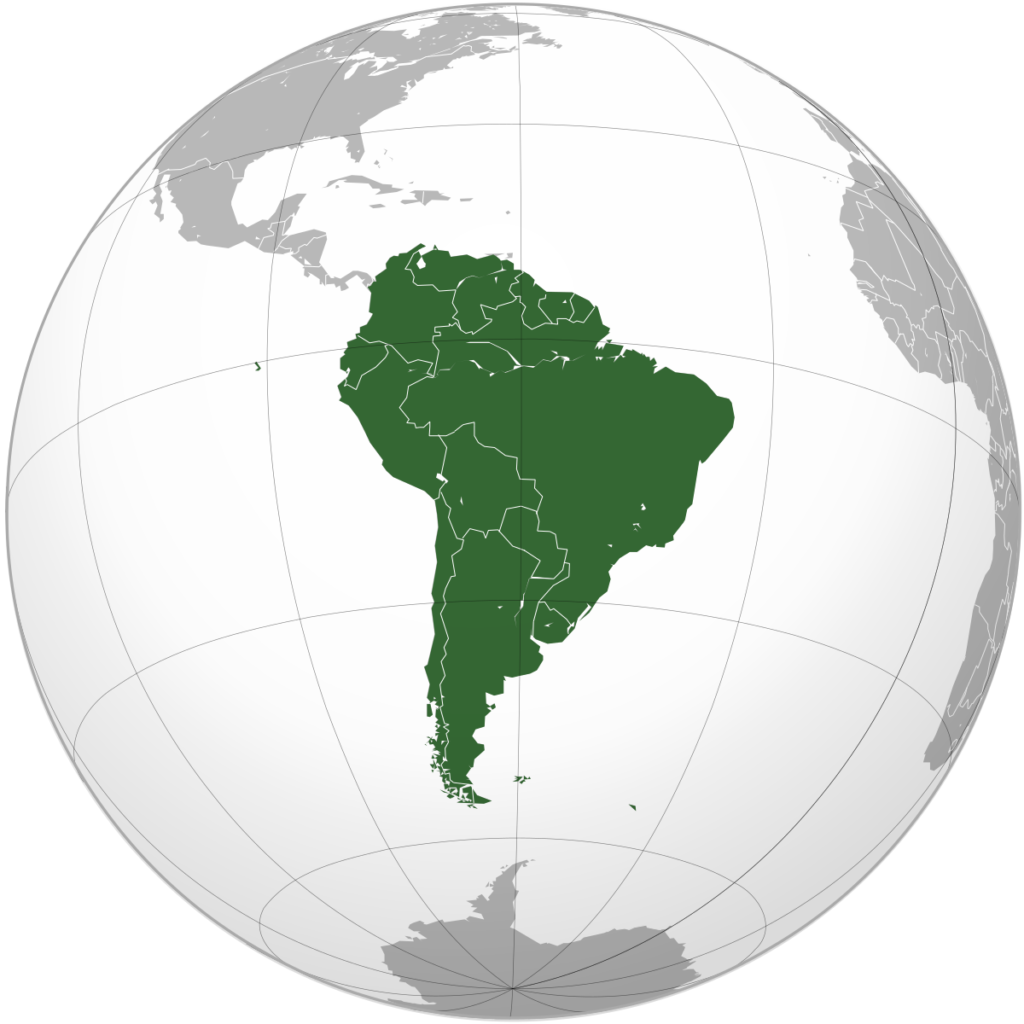
Other Regions:
Exploring the Diversity of the Asia-Pacific Coffee Region
The Asia-Pacific region, a vast and diverse landscape encompassing countries from Southeast Asia to the Pacific Islands, is gaining recognition for its unique and thriving coffee culture. The Asia-Pacific coffee region is a captivating mosaic of flavors, elevations, and cultural nuances that contribute to the rich tapestry of this emerging coffee frontier.
The Asia-Pacific coffee region spans a range of geographical landscapes, from the highlands of Papua New Guinea to the volcanic slopes of Indonesia and the terraced hillsides of Vietnam. Each country within this region offers a distinctive terroir that influences the flavor profile of its coffee. The varying elevations, climates, and soil compositions create an ideal environment for cultivating different coffee varieties.
Indonesia: Archipelago of Diversity
Indonesia, with its thousands of islands, is a coffee giant within the Asia-Pacific region. Regions such as Sumatra, Java, Sulawesi, and Bali contribute to Indonesia’s diverse coffee offerings. The archipelago is known for producing both Arabica and Robusta beans, each offering a unique flavor experience.
Sumatra, with its renowned Mandheling and Gayo coffees, is celebrated for its full body, low acidity, and earthy, spicy undertones. Java’s Arabica beans, with their medium body and bright acidity, showcase the country’s long-standing coffee heritage. Indonesian coffees are often processed using the wet-hulled method, contributing to their characteristic flavors.
Vietnam, a rising star in the global coffee market, has made a mark with its predominant cultivation of Robusta beans. The Central Highlands, including regions like Dak Lak and Lam Dong, are key contributors to Vietnam’s coffee production. Vietnamese Robusta is known for its bold body, low acidity, and chocolatey, nutty notes.
Vietnam’s unique coffee culture, highlighted by the famous egg coffee and strong traditional brews, reflects the country’s creative approach to coffee consumption.
Papua New Guinea: High-altitude Elegance
Papua New Guinea, nestled in the southwestern Pacific, is gaining recognition for its high-altitude Arabica coffees. The Wahgi Valley and the Eastern Highlands are regions where coffee is grown at elevations ranging from 1,300 to 2,000 meters. The cooler temperatures at these heights contribute to the slow maturation of the beans, resulting in coffees with bright acidity, medium body, and nuanced flavor profiles.
Coffee in the Asia-Pacific region is not just a beverage; it’s a cultural experience deeply intertwined with local traditions. In countries like Indonesia and Vietnam, traditional coffee ceremonies are significant social events, fostering community connections and celebrations. The art of brewing and enjoying coffee becomes a shared experience, reflecting the cultural values and warmth of the communities.
The Asia-Pacific coffee region has seen a growing emphasis on sustainability and ethical practices. Many coffee-producing countries are implementing initiatives to promote environmentally friendly farming methods, fair trade practices, and social responsibility. These efforts are not only preserving the natural beauty of the landscapes but also ensuring the well-being of the communities involved in coffee production.
While the Asia-Pacific coffee region holds great promise, it also faces challenges, including climate change, pests, and market dynamics. However, the resilience of local farmers and the commitment to quality and sustainability contribute to the region’s ability to overcome these challenges.
The Asia-Pacific coffee region is a dynamic and evolving force in the global coffee landscape. From the bold Robustas of Vietnam to the high-altitude Arabicas of Papua New Guinea, each country within this diverse region adds a unique chapter to the story of coffee. As the Asia-Pacific coffee culture continues to flourish, it not only offers a diverse range of flavors but also invites coffee enthusiasts to explore the rich cultural tapestry that makes each cup a journey through the heart of this burgeoning coffee frontier.
Unveiling the Rich Tapestry of Philippine Coffee:
The Philippines, an archipelago known for its stunning landscapes and vibrant cultural heritage, is quietly making waves in the world of specialty coffee. The Philippine coffee profile is a fascinating narrative that unfolds across diverse islands, highlighting unique varietals, traditional farming practices, and a commitment to reclaiming the country’s once-thriving coffee industry.
The Philippine coffee belt spans several regions, including Benguet, Sagada, and Matutum, each contributing to the rich tapestry of Philippine coffee. The country’s diverse geography, characterized by mountainous terrains, volcanic soils, and elevations ranging from 800 to 1,600 meters above sea level, creates optimal conditions for Arabica and Robusta coffee cultivation.
The high-altitude regions, such as Benguet and Sagada in Luzon, offer cool temperatures and unique microclimates that contribute to the nuanced flavors of Philippine coffee. The elevation and volcanic soils, combined with traditional farming practices, play a crucial role in shaping the distinct profile of Philippine coffee beans.
The Philippines cultivates both Arabica and Robusta coffee varieties, each thriving in specific regions and contributing to the diversity of the country’s coffee profile. Arabica, known for its nuanced flavors and bright acidity, is often grown in the higher elevations of Luzon, while Robusta, celebrated for its boldness and earthy character, finds a home in regions like Matutum in Mindanao.
The blend of Arabica and Robusta varietals showcases the adaptability of Philippine coffee farmers and their ability to harness the unique characteristics of each variety to create a well-rounded and diverse offering.
Philippine coffee production is characterized by a mix of traditional and modern farming practices. Smallholder farmers, often organized into cooperatives, cultivate coffee using methods passed down through generations. These traditional practices include shade-grown cultivation, which preserves biodiversity, prevents soil erosion, and imparts distinct flavors to the beans.
In regions like Sagada, farmers utilize organic and sustainable farming methods, eschewing synthetic pesticides and fertilizers. This commitment to environmentally friendly practices not only enhances the quality of the coffee but also aligns with global trends toward sustainability and ethical sourcing.
The flavor profile of Philippine coffee is a delightful symphony of diverse tasting notes. Arabica beans from the high-altitude regions offer bright acidity, floral and fruity undertones, and a medium body. Sagada coffee, for instance, is often described as having a mild and well-balanced flavor with hints of citrus and chocolate.
On the other hand, Robusta beans contribute a bold and robust character, with earthy, nutty, and sometimes spicy notes. The Matutum Robusta, grown in Mindanao, is celebrated for its full body and unique flavor profile, adding depth to the overall coffee experience.
The Philippines has been reclaiming its coffee heritage and experiencing a resurgence in the coffee industry. Initiatives to revive local coffee production, support smallholder farmers, and promote specialty coffee have gained momentum. The recognition of Philippine coffee at international competitions and the growth of local coffee shops reflect the industry’s dynamic evolution.
Coffee festivals and events celebrate the cultural significance of coffee in the Philippines, bringing together enthusiasts, farmers, and industry stakeholders. The shared appreciation for Philippine coffee transcends its role as a beverage; it becomes a cultural symbol and a source of national pride.
The Philippine coffee profile is a testament to the country’s ability to blend tradition, diversity, and innovation. From the highlands of Luzon to the volcanic soils of Mindanao, Philippine coffee embodies a journey of resilience and excellence. As the industry continues to grow, the flavors of Arabica and Robusta beans, along with the commitment to sustainability and cultural revival, position Philippine coffee as a distinctive and exciting player in the global coffee scene. In every sip, one can taste the richness of the Philippines – a nation rediscovering and embracing its coffee legacy.
A Delectable Expedition through its Vibrant Coffee
Thailand, renowned for its picturesque landscapes and rich cultural heritage, has emerged as a rising star in the world of specialty coffee. The Thailand coffee profile is a captivating story that unfolds across the northern highlands, where unique terroirs, innovative farming practices, and a commitment to quality converge to create a distinctive and flavorful coffee experience.
Coffee cultivation in Thailand is primarily concentrated in the northern regions, including Chiang Mai, Chiang Rai, and Mae Hong Son. The mountainous terrain, with elevations ranging from 800 to 1,600 meters above sea level, provides an ideal environment for coffee plants to thrive. The diverse microclimates, combined with volcanic soils, contribute to the nuanced flavor profile of Thai coffee.
The high-altitude cultivation results in a slow maturation process for the coffee cherries, enhancing the complexity and depth of flavors. Each region in northern Thailand contributes unique characteristics to the overall Thai coffee profile, creating a mosaic of taste that reflects the country’s geographical diversity.
Thailand predominantly cultivates Arabica coffee, prized for its nuanced flavors and bright acidity. The transition from traditional crops to specialty coffee has been a significant development in Thailand’s coffee industry. Thai coffee farmers have embraced innovative practices to elevate the quality of their beans, focusing on sustainable agriculture and improving post-harvest processing.
In recent years, Thailand has gained recognition for producing high-quality specialty coffees with distinct flavor profiles. The emergence of single-origin coffees from specific regions highlights the diversity within Thailand’s coffee landscape, with each area contributing unique tasting notes and characteristics.
The Royal Project Foundation, initiated by the late King Bhumibol Adulyadej, has played a crucial role in promoting sustainable and high-quality coffee production in Thailand. The foundation introduced coffee cultivation as an alternative crop to address deforestation issues, encourage economic sustainability, and improve the livelihoods of hill tribe communities.
Under the Royal Project, farmers have been trained in modern and sustainable farming techniques, emphasizing organic practices and environmental stewardship. This initiative has not only revitalized local economies but has also positioned Thailand as a producer of premium, environmentally conscious coffee.
Thai coffee offers a diverse flavor profile that reflects the country’s commitment to quality and innovation. Arabica beans from Thailand often boast a bright acidity, medium body, and a range of tasting notes that can include fruity, floral, and herbal nuances.
In the northern regions, where the majority of coffee is grown, you may encounter coffees with hints of citrus, jasmine, and a subtle sweetness. The elevation and climate contribute to a well-balanced cup, making Thai coffee appealing to a broad spectrum of coffee enthusiasts.
Coffee has become more than just a crop in Thailand; it has become a cultural and social phenomenon. Coffee shops, both traditional and modern, have become spaces for socializing, relaxation, and cultural exchange. The growing interest in specialty coffee has sparked a coffee culture that values quality and craftsmanship.
In hill tribe communities, where much of the coffee is cultivated, coffee has become a source of pride and identity. The unique flavors of Thai coffee reflect not only the country’s diverse landscapes but also the rich cultural tapestry of its people.
Thailand’s coffee profile is a testament to the country’s ability to blend tradition with innovation, resulting in a vibrant and dynamic coffee industry. From the highlands of the north to the coffee cups enjoyed in bustling city cafes, Thai coffee embodies a journey of transformation and excellence. As Thailand continues to make its mark on the global coffee scene, the flavors of its Arabica beans and the sustainability efforts behind them stand as a beacon of the country’s commitment to quality, culture, and environmental responsibility.
Unveiling the Distinctive Coffees of Papua New Guinea
Papua New Guinea, a country known for its rugged terrain and rich cultural diversity, is quietly carving a niche for itself in the global coffee market. The Papua New Guinea coffee profile is a captivating tale of high-altitude cultivation, unique processing methods, and a commitment to preserving traditional practices that result in a coffee experience that is as diverse as the nation itself.
Coffee cultivation in Papua New Guinea thrives in the highlands, particularly in regions like the Eastern Highlands, Western Highlands, and Simbu. The mountainous terrain, with elevations ranging from 600 to 2,000 meters above sea level, creates optimal conditions for the cultivation of Arabica coffee, which predominates in Papua New Guinea.
The altitude, combined with the volcanic soils of the highlands, contributes to the nuanced flavor profile of Papua New Guinea coffee. The slow maturation process of the coffee cherries at higher elevations results in beans with a distinct acidity, brightness, and complexity.
Papua New Guinea’s coffee industry is characterized by a strong adherence to traditional farming practices. Smallholder farmers, often organized into cooperatives, cultivate coffee using methods passed down through generations. These traditional practices include shade-grown cultivation, where coffee plants are shaded by native trees, preserving biodiversity and enhancing the quality of the beans.
The commitment to traditional farming not only preserves the cultural heritage of Papua New Guinea but also contributes to the unique characteristics of its coffee. The symbiotic relationship between the land, the people, and the coffee plants is evident in every cup of Papua New Guinea coffee.
Papua New Guinea is known for its meticulous processing methods, which vary across different regions. One notable processing method is the “washed” or wet-processing technique. This method involves pulping the coffee cherries, fermenting them in water, and then washing away the mucilage before drying the beans. The result is a clean cup with bright acidity and distinct flavor notes.
Another unique processing method found in Papua New Guinea is the “semi-washed” or honey-processing technique. In this method, some of the mucilage is intentionally left on the beans during drying, imparting a sweeter and more nuanced flavor profile to the coffee.
Papua New Guinea coffee offers a complex and intriguing flavor profile that reflects the country’s unique terroir. Arabica beans from the highlands are known for their bright acidity, medium body, and a range of flavor notes that can include fruity, floral, and spicy undertones.
The washed coffees from Papua New Guinea often showcase a clean and crisp cup with citrusy acidity and vibrant liveliness. In contrast, honey-processed coffees may exhibit a fuller body, enhanced sweetness, and a more pronounced fruitiness.
Coffee holds cultural significance in Papua New Guinea, with rituals and ceremonies surrounding its cultivation and consumption. The vibrant cultural diversity of the country is reflected in the various coffee-growing regions, each contributing unique flavors and characteristics to the overall Papua New Guinea coffee profile.
The importance of coffee in Papua New Guinea extends beyond economic benefits; it plays a central role in social interactions and traditional celebrations. The sharing of coffee is a symbol of hospitality and connection, reflecting the warmth and openness of Papua New Guinean communities.
Papua New Guinea’s coffee profile is a symphony of flavors orchestrated by its diverse geography, traditional farming practices, and unique processing methods. The commitment to preserving cultural heritage and environmental sustainability sets Papua New Guinea’s coffee apart in the global market. In every cup, one can taste the harmony of the highlands, the richness of tradition, and the vibrant cultural tapestry that defines Papua New Guinea’s coffee landscape.
India’s Coffee Mosaic: A Tapestry of Diversity and Heritage
India, a country steeped in cultural richness and agricultural diversity, has quietly cultivated a distinct identity in the world of coffee. The India coffee profile is a captivating narrative that unfolds across the lush hills of Karnataka, Kerala, and Tamil Nadu, telling a story of unique terroirs, diverse varietals, and a centuries-old coffee heritage.
India’s coffee cultivation primarily thrives in the Western Ghats, a mountain range that spans the southwestern states of Karnataka, Kerala, and Tamil Nadu. The coffee-growing regions, including Coorg, Chikmagalur, and Wayanad, benefit from the region’s diverse topography, with elevations ranging from 600 to 1,600 meters above sea level.
The distinct microclimates in these regions contribute to the diverse flavor profiles of Indian coffee. The high-altitude plantations, combined with the monsoons that sweep through the Western Ghats, create optimal conditions for coffee cherries to flourish, resulting in a nuanced and complex cup.
India is home to both Arabica and Robusta coffee varieties, with each contributing to the country’s diverse coffee profile. The Arabica beans, grown in higher elevations, are celebrated for their nuanced flavors, bright acidity, and floral notes. On the other hand, Robusta beans, cultivated in the lower elevations, bring a bold and robust character to Indian coffee, featuring earthy, nutty, and chocolaty undertones.
The blend of Arabica and Robusta dominance in India showcases the versatility of the country’s coffee industry, offering a wide range of options for coffee enthusiasts with varying taste preferences.
India is renowned for its unique processing methods, most notably the production of Monsooned Malabar coffee. This distinct coffee is exposed to the monsoon winds, leading to a specialized aging process that imparts a mellow and uniquely bold flavor profile. Monsooned Malabar coffee is characterized by low acidity, full body, and a complex amalgamation of earthy and spicy notes.
Apart from the monsooning process, India is also known for its meticulously managed estate operations and traditional sun-drying methods, contributing to the high quality of its coffee beans. The care taken in the processing methods reflects a commitment to preserving the authenticity and distinctiveness of Indian coffee.
Coffee cultivation in India dates back to the mid-17th century when Baba Budan, a Sufi saint, smuggled seven coffee beans from Yemen to the hills of Chikmagalur in Karnataka. This historic act laid the foundation for India’s coffee legacy. Today, the cultivation of coffee has become deeply entwined with the cultural fabric of the regions it inhabits.
Coffee in India is not merely a beverage; it’s a social ritual. From the traditional South Indian filter coffee to the frothy and spiced “kaapi” enjoyed in the streets of Kerala, coffee holds a special place in the hearts and lives of millions of Indians. The communal act of sharing a cup of coffee is symbolic of hospitality, connection, and a shared love for the aromatic brew.
The flavor profile of Indian coffee is as diverse as the country itself. Arabica coffees from regions like Coorg offer a delicate acidity, floral notes, and a subtle sweetness. Meanwhile, the robustness of Robusta beans, especially in regions like Wayanad, produces a cup with a bold body, low acidity, and a rich, chocolaty character.
Monsooned Malabar coffee, with its unique processing, stands out with its mellow and aged flavors, often described as having a distinct earthiness and spice.
India’s coffee profile is a tapestry woven with threads of geographical diversity, cultural heritage, and meticulous processing methods. As the world embraces the global diversity of coffee, India’s contribution stands as a testament to the country’s rich agricultural traditions and its ability to craft a cup that reflects the unique flavors of its diverse landscapes. In every sip of Indian coffee, one can taste the centuries-old legacy, the blend of varietals, and the cultural nuances that make it an integral part of India’s flavorful narrative.