As Good as It Gets
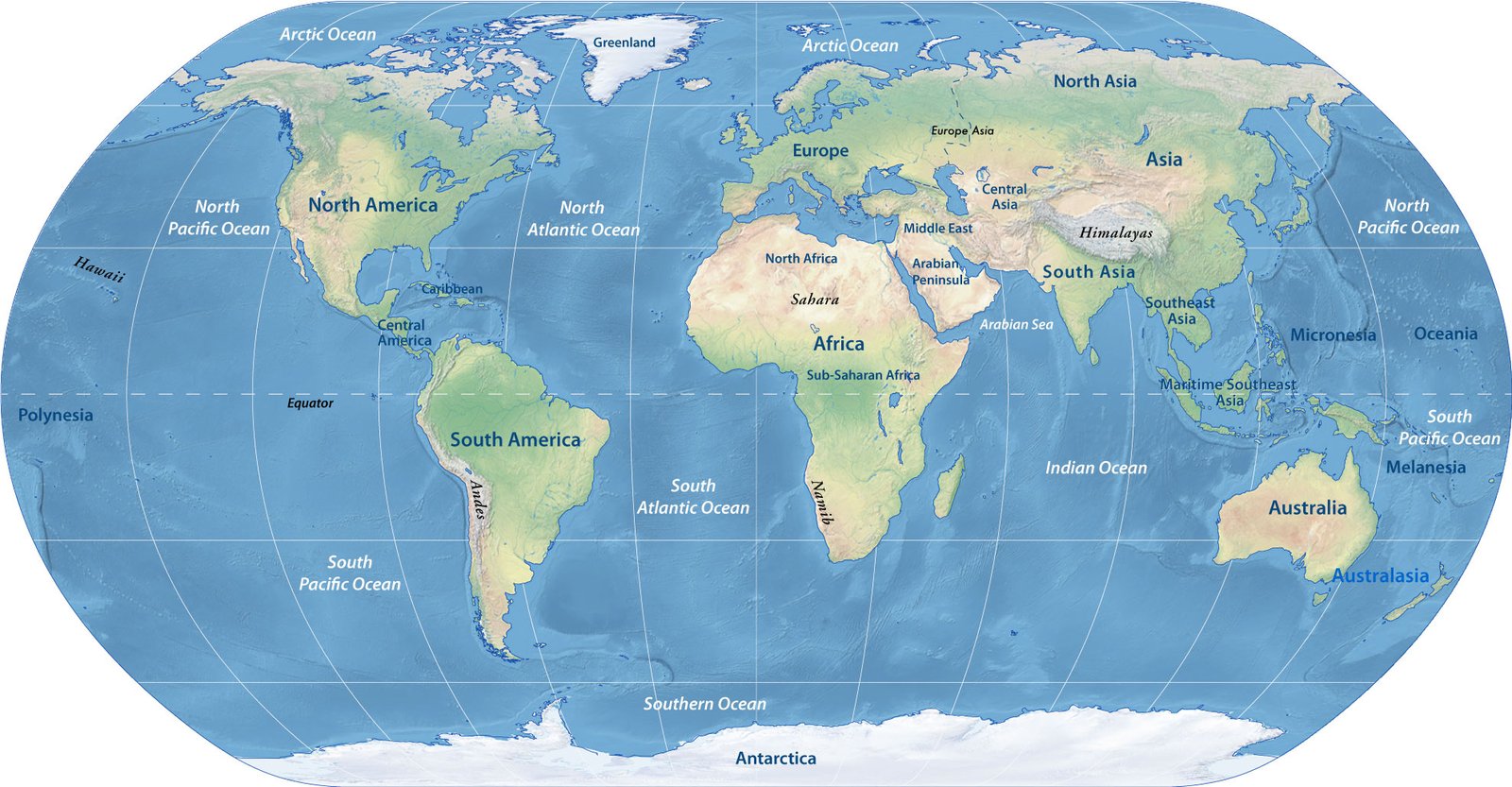
Coffee is grown in various countries around the world, primarily within the tropical belt known as the “coffee belt.” Here is a list of countries and territories where coffee beans are cultivated:
This list covers the primary coffee-producing countries and territories, but it’s important to note that within each country, coffee is often grown in specific regions with unique microclimates, altitudes, and soil conditions. These factors contribute to the distinct flavor profiles of coffee beans from different origins. Additionally, the coffee industry is dynamic, and new regions may emerge as coffee cultivation evolves.


Other Regions:
the Rich Flavors of Tropical Elegance”
The Caribbean, a region known for its turquoise waters, white sandy beaches, and vibrant culture, is also home to a burgeoning coffee scene. The Caribbean coffee region is a hidden gem, where lush landscapes, tropical climates, and a commitment to quality coffee cultivation converge to create a unique and flavorful experience.
The Caribbean coffee region encompasses several islands, each contributing to the region’s diverse coffee profile. From the mountainous terrains of the Dominican Republic to the volcanic slopes of Jamaica, the Caribbean’s geographical diversity offers ideal conditions for growing Arabica coffee, known for its nuanced flavors and distinct characteristics.
Jamaica: Blue Mountain Elegance
Jamaica, particularly its renowned Blue Mountain region, stands as a beacon in the Caribbean coffee scene. The Blue Mountains, with elevations reaching up to 2,256 meters, create a microclimate that is ideal for cultivating Arabica beans. Jamaica Blue Mountain coffee is celebrated for its mild acidity, medium body, and flavor profile that includes floral, fruity, and nutty notes.
The strict regulations governing the cultivation and processing of Blue Mountain coffee, coupled with the limited geographical area suitable for cultivation, contribute to its exclusivity and premium status in the global coffee market.
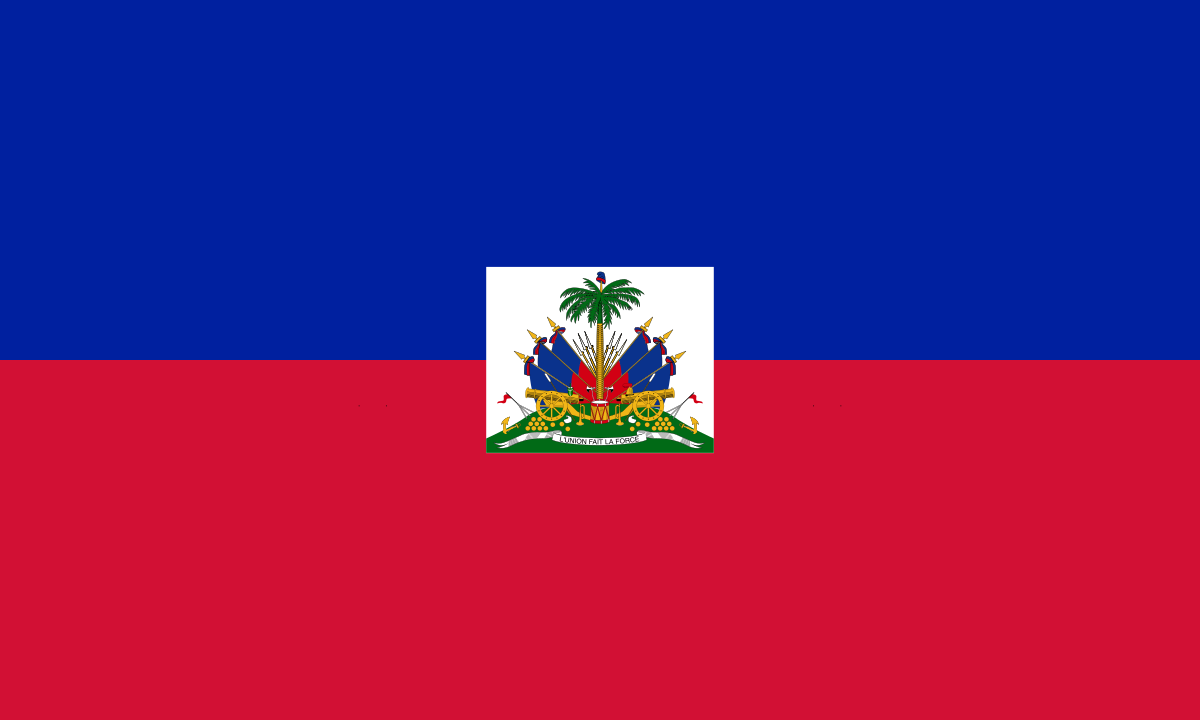
Haiti: Resilience and Richness
Haiti, a country with a complex history and vibrant culture, is carving a niche for itself in the Caribbean coffee scene. Haitian coffee is predominantly Arabica, grown in the mountainous regions such as the Nord-Ouest and Grand’Anse departments. Despite facing challenges such as deforestation and economic instability, Haitian coffee farmers are dedicated to preserving their coffee heritage.
Haitian coffee is known for its bright acidity, medium body, and flavor profile that can include citrus, chocolate, and spice notes. The emerging specialty coffee movement in Haiti is not only contributing to the country’s economic development but also highlighting the resilience and determination of local coffee producers.
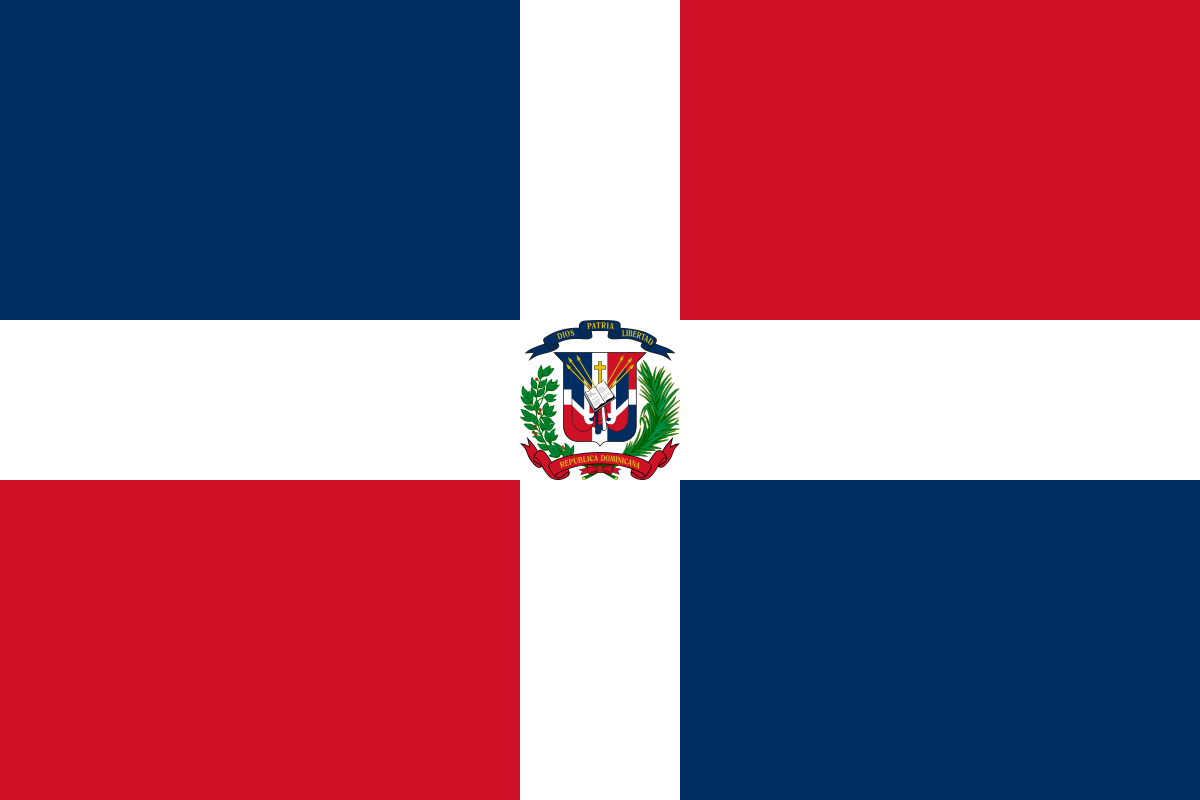
Dominican Republic: Cultural Richness in Every Sip
The Dominican Republic, with its rich cultural heritage, is another significant player in the Caribbean coffee landscape. The Cordillera Central, a mountain range running through the country, provides an ideal environment for coffee cultivation. Arabica beans, grown at varying elevations, contribute to the diverse flavor profile of Dominican coffee.
Dominican coffee is often characterized by bright acidity, medium body, and flavor notes that can include tropical fruits, chocolate, and floral undertones. The coffee plantations, or “cafetales,” in the Dominican Republic are not just agricultural spaces but living museums that tell the story of the nation’s history and resilience.
Coffee in the Caribbean is more than a beverage; it is a cultural experience deeply rooted in the fabric of each island. The coffee traditions, from the elaborate coffee ceremonies in Haiti to the celebration of Blue Mountain coffee in Jamaica, reflect the warmth, hospitality, and cultural richness of the Caribbean people.
The Caribbean coffee region places a strong emphasis on sustainability and community engagement. Many coffee producers in the region are adopting eco-friendly farming practices, agroforestry techniques, and fair trade principles. These initiatives not only preserve the natural beauty of the Caribbean landscapes but also contribute to the well-being of local communities.
While the Caribbean coffee region faces challenges such as climate change, natural disasters, and economic uncertainties, the resilience of local farmers and their dedication to quality have propelled these islands into the spotlight. The triumphs of Caribbean coffee are not only in the cup but also in the stories of perseverance and passion that define the region’s coffee culture.
The Caribbean coffee region is a hidden treasure, waiting to be discovered by coffee enthusiasts seeking a journey through rich flavors and cultural narratives. From the Blue Mountains of Jamaica to the cafetales of the Dominican Republic and the high-altitude fields of Haiti, each island in the Caribbean contributes its own chapter to the story of Caribbean coffee bliss. As the region continues to evolve and gain recognition, every cup brewed from Caribbean beans becomes a sip of the sun-soaked landscapes, the resilience of its people, and the cultural richness that defines this unique corner of the coffee world.
Indulging in the Exquisite Haitian Coffee Symphony
Introduction:
Haiti, a Caribbean nation with a rich cultural tapestry and a history marked by resilience, is carving a path towards a coffee renaissance. The Haiti coffee profile is a compelling narrative that intertwines the island’s rugged landscapes, unique terroir, and the collective determination of local farmers to rejuvenate the country’s coffee industry.
Haiti’s coffee is predominantly grown in the mountainous regions, with the Grand’Anse, Nord-Ouest, and Sud-Est departments being significant coffee-producing areas. The elevation, ranging from 500 to 1,700 meters above sea level, provides the ideal conditions for Arabica coffee cultivation. The diverse microclimates, volcanic soils, and ample rainfall contribute to the nuanced flavor profile of Haitian coffee.
The geography of Haiti, with its lush mountains and tropical climate, shapes the distinct characteristics of the coffee beans and sets the stage for a unique Haitian coffee experience.
Haitian coffee is primarily of the Arabica variety, celebrated for its nuanced flavors, bright acidity, and aromatic qualities. The Arabica beans cultivated in Haiti showcase a diverse range of tasting notes, influenced by the country’s terroir. The slow maturation process at higher elevations allows the beans to develop complex and vibrant flavors that captivate the palate.
Haiti’s emphasis on Arabica excellence is a testament to the country’s commitment to producing high-quality coffee that can stand alongside the best in the world. This focus on quality over quantity positions Haitian coffee as a specialty product with unique characteristics.
Coffee has deep roots in Haitian culture, dating back to the 18th century when coffee plantations thrived on the island. Haitian coffee, once renowned as a global coffee leader, faced challenges in the 20th century due to political instability and environmental issues. However, recent years have seen a resurgence in the Haitian coffee industry, with local farmers and cooperatives working together to revitalize this important agricultural sector.
Haiti’s coffee culture is deeply intertwined with the daily lives of its people. From smallholder farmers in the remote mountains to urban coffee shops in bustling cities, the appreciation for Haitian coffee serves as a unifying thread that connects communities and celebrates the country’s agricultural heritage.
Haiti’s coffee industry has faced its share of challenges, including natural disasters and economic hardships. However, local farmers and organizations are committed to building a more sustainable and resilient coffee sector. Initiatives focused on agroforestry, organic farming practices, and community empowerment contribute to the social, economic, and environmental sustainability of Haitian coffee.
The emphasis on sustainability not only preserves the integrity of Haiti’s natural resources but also ensures the longevity of the coffee industry, providing livelihoods for local communities.
Haitian coffee offers a distinctive flavor profile that reflects the country’s unique terroir and the careful cultivation practices of local farmers. Arabica beans from Haiti often feature a bright acidity, medium body, and a range of flavor notes that can include citrus, floral, and chocolatey undertones. The combination of altitude, climate, and meticulous farming practices contributes to a cup that is both flavorful and memorable.
Haiti’s coffee profile is a story of renewal, resilience, and cultural pride. As Haiti navigates the complexities of its history and challenges, the resurgence of its coffee industry stands as a symbol of hope and determination. The flavors that emanate from Haitian coffee tell a tale of a country reclaiming its place in the global coffee landscape, one cup at a time. With a commitment to quality, sustainability, and community, Haiti’s coffee renaissance is not only about beans but about the spirit of a nation finding strength in its roots and flavoring the future with the richness of its coffee heritage.
Savoring the Rich Heritage of Dominican Republic Coffee
Nestled in the heart of the Caribbean, the Dominican Republic is not only a tropical paradise but also the proud producer of a coffee that reflects the nation’s rich cultural heritage and dedication to sustainable agriculture. The Dominican Republic coffee profile is a captivating narrative woven with the lush landscapes of the Cordillera Central, the distinct terroir, and the resilience of local farmers who have embraced the art of coffee cultivation.
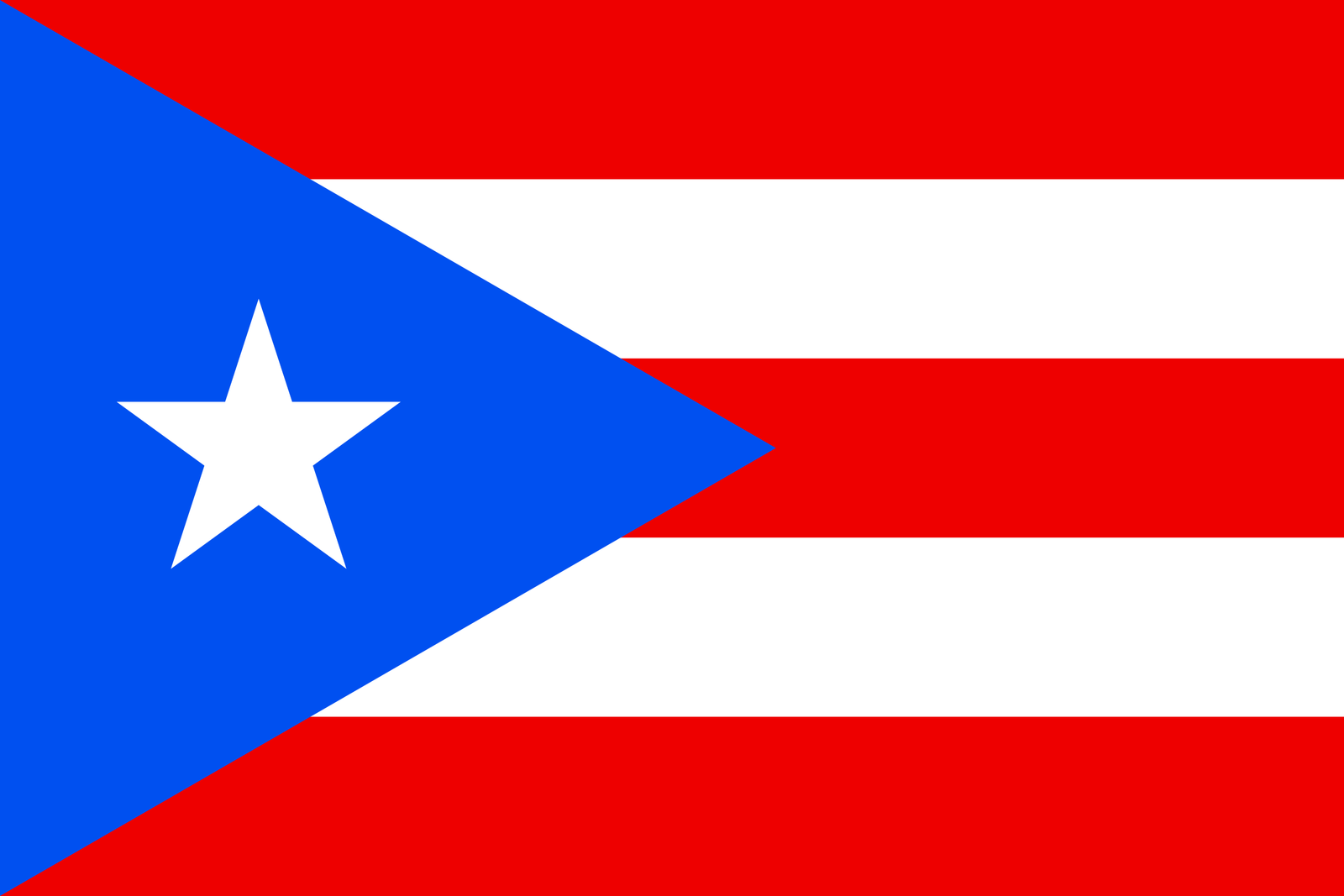
Coffee in the Dominican Republic is predominantly grown in the central mountainous regions, particularly within the Cordillera Central. The varied elevations, ranging from 600 to 2,500 meters above sea level, contribute to the diverse terroir that shapes the flavor profile of Dominican coffee. The combination of tropical climates, ample rainfall, and fertile soils creates an optimal environment for the cultivation of both Arabica and Robusta coffee varieties.
The varying elevations provide unique growing conditions for different coffee varietals, allowing farmers to produce a range of coffees with distinct characteristics. The geography of the Dominican Republic plays a vital role in the coffee’s flavor development, making it a fascinating exploration for coffee enthusiasts.
The Dominican Republic cultivates both Arabica and Robusta coffee varieties, each contributing to the country’s coffee mosaic. Arabica beans, celebrated for their nuanced flavors and bright acidity, thrive in the higher elevations of the Cordillera Central. On the other hand, Robusta beans, known for their boldness and earthy character, are often grown in lower-altitude regions.
The coexistence of both varietals allows Dominican coffee farmers to cater to a range of taste preferences and market demands. This diversity showcases the flexibility and adaptability of the Dominican Republic’s coffee industry.
Coffee cultivation has deep roots in the Dominican Republic’s cultural heritage, dating back to the 18th century. The coffee plantations, or “cafetales,” are not just agricultural spaces but living museums that tell the story of the nation’s history and resilience. The restoration of historic coffee estates, such as Hacienda La Esmeralda, reflects the commitment to preserving the cultural significance of Dominican coffee.
The cultural celebration of coffee extends beyond the plantations, with local festivals and events dedicated to honoring the role of coffee in Dominican life. These celebrations showcase the warmth, hospitality, and cultural richness that surround the Dominican coffee experience.
Dominican coffee offers a diverse flavor profile that reflects the country’s unique growing conditions. Arabica beans from higher elevations often feature bright acidity, medium body, and a range of flavor notes that can include fruity, floral, and chocolatey undertones. The mountainous terrain contributes to a slow maturation process, allowing the beans to develop complex and well-defined flavors.
Robusta beans, found in lower-altitude regions, contribute a bold body and distinct earthy flavors to Dominican coffee. The blend of Arabica and Robusta varieties results in a cup that is both dynamic and versatile, catering to a broad spectrum of coffee preferences.
The Dominican Republic is increasingly embracing sustainable and environmentally friendly practices in coffee cultivation. Many coffee farms are adopting shade-grown techniques, organic farming methods, and environmentally conscious processing to minimize their ecological impact. This commitment to sustainability not only preserves the natural beauty of the Dominican landscapes but also ensures the long-term viability of the coffee industry.
Dominican Republic coffee is a testament to the nation’s rich agricultural heritage, geographical diversity, and commitment to sustainable practices. The flavors that emanate from the Cordillera Central are not just a sensory experience but a journey through history, culture, and the resilience of Dominican coffee farmers. As the Dominican Republic continues to carve its place in the global coffee market, each cup of Dominican coffee becomes a celebration of the island’s unique terroir and the dedication of its people to producing exceptional coffee.
Sipping the Essence of Puerto Rican Coffee Elegance
Nestled in the heart of the Caribbean, Puerto Rico is not only a tropical paradise but also the proud home of a unique and flavorful coffee. The Puerto Rico coffee profile is a rich tapestry woven with the island’s lush landscapes, distinct terroir, and a cultural heritage deeply entwined with the art of coffee cultivation.
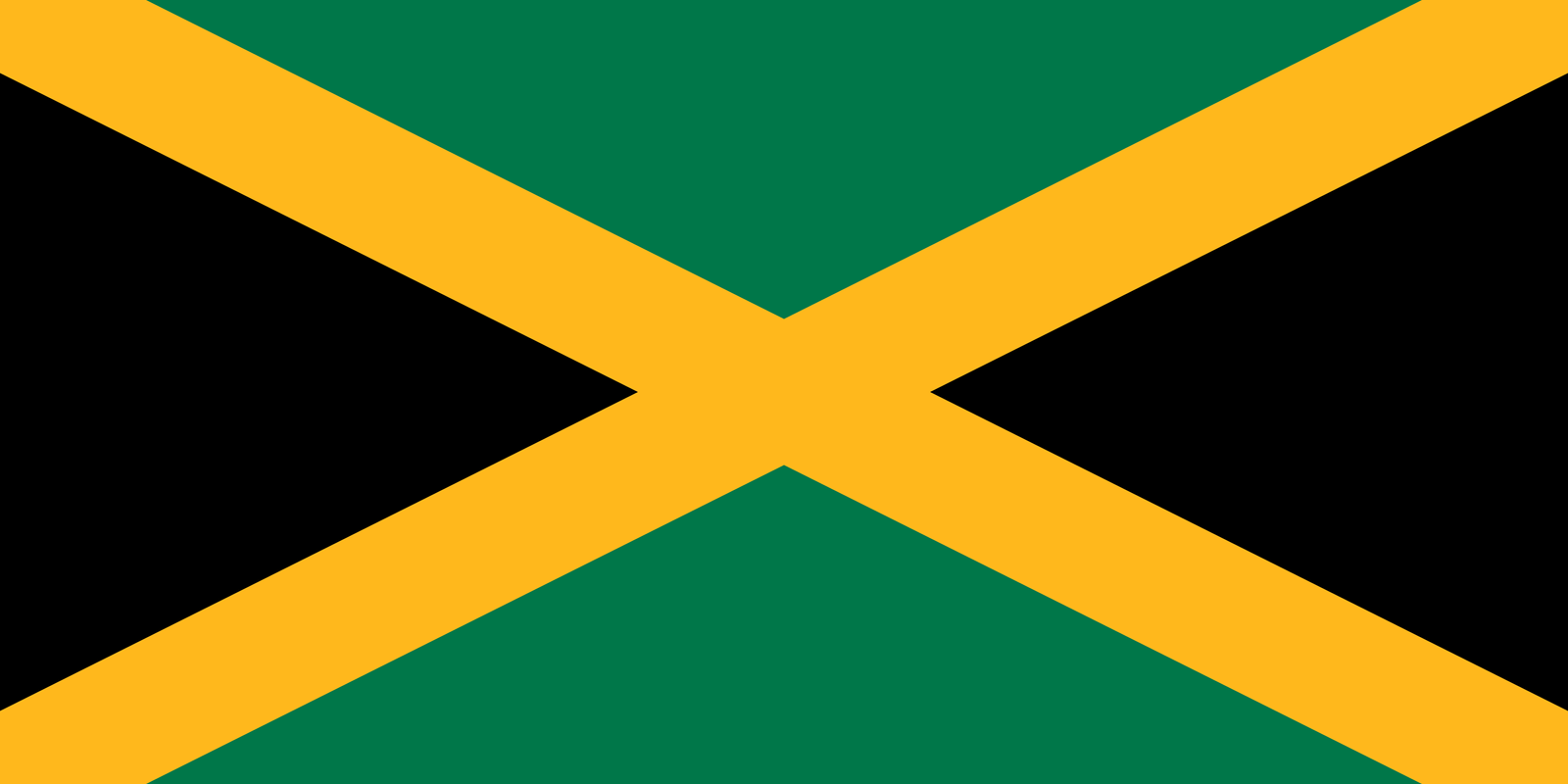
Puerto Rican coffee is primarily cultivated in the central mountainous regions, particularly in the fertile soils of the Cordillera Central. The island’s diverse topography, with elevations ranging from 600 to 1,200 meters above sea level, contributes to the unique flavor profile of Puerto Rican coffee. The combination of tropical climates, ample rainfall, and volcanic soils creates an optimal environment for the cultivation of Arabica coffee, the predominant varietal on the island.
The elevation and climatic conditions result in a slow maturation process for the coffee cherries, imparting a nuanced and complex flavor to the beans. The unique terroir of Puerto Rican coffee contributes to its distinct identity in the world of specialty coffee.
Puerto Rican coffee is predominantly of the Arabica variety, celebrated for its nuanced flavors, bright acidity, and aromatic qualities. The Arabica beans grown in Puerto Rico are known for their well-balanced profile, often featuring a harmonious combination of fruity, floral, and chocolatey notes.
The dedication to cultivating Arabica beans aligns with Puerto Rico’s commitment to producing high-quality coffee that stands out in the global market. This emphasis on quality over quantity has elevated Puerto Rican coffee to a level of excellence that has gained recognition and admiration.
Coffee has deep roots in Puerto Rican culture and history, dating back to the early 18th century when coffee was introduced to the island. The Hacienda Buena Vista, one of the oldest coffee plantations in Puerto Rico, serves as a testament to the island’s coffee legacy. The coffee haciendas, with their historic architecture and lush surroundings, showcase the importance of coffee in shaping Puerto Rican identity.
Traditional coffee farms, known as “cafetales,” dot the landscape, preserving traditional farming practices and contributing to the island’s cultural heritage. The annual coffee harvest season, known as the “cosecha,” is a time of celebration, with communities coming together to share the joy of the coffee harvest.
Puerto Rican coffee offers a diverse and sophisticated flavor profile that reflects the island’s unique growing conditions. Arabica beans from Puerto Rico often exhibit a bright acidity, medium body, and a delightful interplay of flavors. Tasting notes may include hints of citrus, tropical fruits, and a subtle sweetness, creating a cup that is both vibrant and memorable.
The island’s commitment to sustainable and ethical farming practices further enhances the purity of Puerto Rican coffee flavors. Shade-grown and organic cultivation methods contribute to the overall quality and environmental sustainability of Puerto Rican coffee.
The coffee industry plays a significant role in Puerto Rico’s economy, providing employment opportunities and contributing to the island’s agricultural sector. The emphasis on producing high-quality coffee has positioned Puerto Rican coffee as a specialty product with a premium value, supporting the livelihoods of local farmers and sustaining the coffee industry’s growth.
Puerto Rican coffee is a reflection of the island’s commitment to quality, heritage, and sustainability. The combination of Arabica excellence, cultural significance, and unique terroir creates a coffee profile that stands out in the world of specialty coffee. As Puerto Rico continues to showcase its coffee to the global market, each sip becomes a journey through the island’s landscapes, a celebration of tradition, and a testament to the dedication of Puerto Rican coffee farmers to their craft.
Discovering the Soulful Notes of Jamaican Coffee
Jamaica, a Caribbean gem renowned for its vibrant culture and breathtaking landscapes, is home to one of the world’s most coveted coffees: Jamaica Blue Mountain Coffee. The Jamaica coffee profile is synonymous with luxury and excellence, with the Blue Mountains providing an ideal environment for the cultivation of this rare and prestigious coffee.
entains, which stretch across the eastern part of the island. These mountains, rising to elevations above 2,000 meters, create a unique microclimate that is optimal for coffee cultivation. The combination of high altitude, cool temperatures, and rich volcanic soils contributes to the exceptional quality and distinctive characteristics of Jamaica Blue Mountain Coffee.
The slow maturation process of coffee cherries at these elevations results in a more complex flavor profile. The beans benefit from a longer growing season, allowing them to develop nuanced flavors and a well-balanced acidity.
Jamaica Blue Mountain Coffee is grown in limited quantities due to stringent regulations that govern its production and certification. The Coffee Industry Regulation Act of 1950 established the Jamaica Agricultural Commodities Regulatory Authority (JACRA) to oversee the production and export of Jamaica Blue Mountain Coffee. These regulations ensure that only the finest beans meeting specific criteria are labeled as authentic Jamaica Blue Mountain Coffee.
The cultivation of this coveted coffee involves meticulous care, from the selection of the right varietals to the labor-intensive harvesting and processing methods. Arabica Typica and Arabica Blue Mountain varietals are predominant, contributing to the unique flavor profile that has made this coffee legendary.
Jamaica Blue Mountain Coffee is celebrated for its elegant and refined flavor profile. A cup of authentic Jamaica Blue Mountain Coffee is characterized by a mild acidity, a well-balanced body, and a smooth, velvety texture. The flavor notes often include a delightful combination of floral, nutty, and citrusy undertones, creating a cup that is both sophisticated and memorable.
The absence of bitterness, along with the gentle acidity, allows the nuanced flavors to shine, making Jamaica Blue Mountain Coffee a favorite among those who appreciate a delicately nuanced and impeccably balanced brew.
Jamaica Blue Mountain Coffee’s reputation extends far beyond the Caribbean shores. It has garnered international acclaim and is often considered one of the finest and rarest coffees globally. The limited production, stringent regulations, and exceptional growing conditions contribute to its rarity and exclusivity.
The coffee’s scarcity has elevated its status, making it a sought-after commodity in the global market. Its exclusivity is further emphasized by the iconic certification mark – a green coffee bean surrounded by a laurel wreath – that signifies authenticity and adherence to the highest quality standards.
The production of Jamaica Blue Mountain Coffee has significant economic implications for Jamaica. The premium prices fetched by these beans contribute to the livelihoods of local farmers and sustain the traditional coffee industry in the Blue Mountains. The strict regulations not only ensure quality but also promote sustainable farming practices and environmental conservation in this ecologically sensitive region.
Jamaica Blue Mountain Coffee stands as a testament to the confluence of geography, regulations, and expertise that creates a coffee experience like no other. Its elevation in the Blue Mountains, coupled with stringent quality controls, has given rise to a coffee profile that is both luxurious and exquisite. As consumers around the world seek exceptional and rare coffees, Jamaica Blue Mountain Coffee continues to be a beacon of elegance, providing a sensory journey that reflects the beauty and finesse of its Caribbean origins.