
Way of Making Coffee

There are numerous ways to prepare coffee, each resulting in distinct flavors, aromas, and textures. Here are some of the most popular coffee preparation methods:
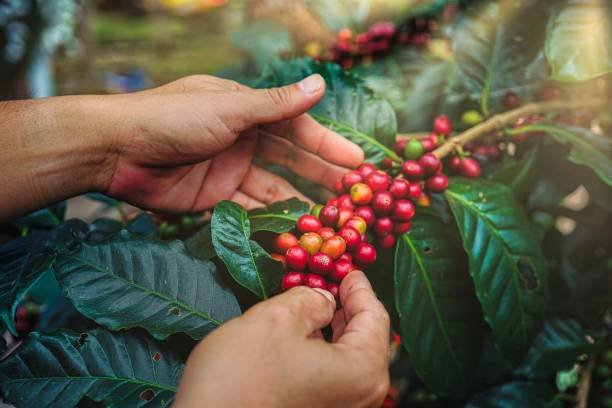
Drip Method– Hot water is poured over ground coffee in a paper or metal filter. Equipment: Drip coffee maker, pour-over cone, or automatic coffee machine.

Espresso-High-pressure water is forced through finely-ground coffee beans. Equipment: Espresso machine.

French Press-Coffee grounds steep in hot water, and a plunger is used to separate the grounds from the liquid. Equipment: French press.

Pour-Over-Hot water is manually poured over coffee grounds in a controlled manner. Pour-over cone (e.g., Chemex, Hario V60)

Cold Brew-Coarse coffee grounds steep in cold water for an extended period (usually 12-24 hours)

Turkish Coffee-Finely ground coffee, water, and sugar (optional) are combined and brewed in a special pot called a cezve.

Cappuccino-Espresso is combined with equal parts steamed milk and foam

Latte-Espresso is combined with steamed milk and a small amount of foam.

Flat White-Similar to a latte but with a higher coffee-to-milk ratio and a thin layer of microfoam.

These methods showcase the diversity in coffee preparation, allowing enthusiasts to explore and appreciate the nuances of the beloved beverage.

The “pulped natural” or “honey” coffee processing method is a hybrid approach that combines elements of both dry (natural) and wet (washed) processing methods. This method allows some of the mucilage to remain on the beans during drying, providing a middle ground between the intense fruitiness of natural processing and the cleanliness of washed processing. Here is an overview of the pulped natural or honey coffee processing method:

  1. Harvesting: Coffee cherries are selectively handpicked when they are fully ripe.
  2. Depulping: The outer skin of the cherries is mechanically removed, exposing the beans covered with mucilage. The term “pulped natural” arises from the partial removal of the pulp, leaving a layer of mucilage on the beans.
  3. Sorting: The de-pulped beans are sorted to remove any debris or underripe cherries.
  4. Drying: The beans, still coated with mucilage, are spread out to dry. The drying process can take place on patios, raised beds, or drying tables. The mucilage on the beans contributes to the sweetness and complexity of the final cup.
  5. Turning and Raking: Throughout the drying process, the beans are turned regularly to ensure even drying and to prevent mold or fermentation issues. Some producers may also rake the beans to create airflow and promote uniform drying.
  6. Final Drying: Once the beans have reached the desired moisture content, they undergo a final drying phase to ensure stability for storage and transportation.
Video provided by Cafe Imports

The degree to which the mucilage is left on the beans can vary, and different designations are used to indicate the level of mucilage remaining:

The pulped natural processing method is popular in countries such as Brazil, Costa Rica, El Salvador, and Honduras. The resulting coffees often exhibit a balance between the bright acidity of washed coffees and the fruity sweetness of natural processed coffees. The honey process allows for a range of flavor possibilities, making it an exciting option for coffee producers and enthusiasts alike.

The Art of Coffee Cupping

Coffee cupping is a systematic method used by coffee professionals, roasters, and enthusiasts to evaluate and compare the flavors, aromas, and overall quality of different coffee beans. It involves a standardized procedure of smelling and tasting coffee in a controlled environment. Cupping is an essential practice in the coffee industry for selecting and grading coffees, as well as for identifying unique flavor characteristics.

Here’s a general outline of the coffee-cupping process:

  1. Grinding: Coffee beans are freshly ground to a coarse consistency just before cupping. Each sample is ground separately.
  2. Fragrance Evaluation: The ground coffee is smelled dry to assess the fragrance and aroma before water is added.
  3. Wet Aroma: Hot water is poured over the ground coffee, and the wet aroma is evaluated by inhaling the rising steam.
  4. Breaking the Crust: After steeping for a few minutes, a crust of coffee grounds forms on the surface. Cuppers use a spoon to break this crust, releasing the coffee’s aromas.
  5. Aroma Evaluation: The cuppers then inhale deeply to evaluate the released aromas from breaking the crust.
  6. Tasting: Using a spoon, cuppers slurp the coffee from a spoon, aspirating it to spread it evenly across the palate. This allows them to assess the taste, acidity, body, and other flavor characteristics.
  7. Scoring: Cuppers assign scores to various attributes, such as acidity, body, balance, flavor, aftertaste, and overall impression. This helps create a comprehensive profile of each coffee.
  8. Cleansing Palate: Between samples, cuppers may cleanse their palates with water and unsalted crackers to ensure that residual flavors do not affect subsequent evaluations.

Cupping sessions are often blind, meaning that the participants are unaware of the origin or characteristics of the coffee being tasted. This helps prevent bias and allows for unbiased assessments based solely on the sensory experience.

Cupping serves several purposes, including:

Coffee cupping is an integral part of the coffee supply chain, providing valuable information to growers, roasters, and consumers about the sensory qualities of different coffees.

The Art of Wet Wash Coffee Processing

The wet, washed, or fully washed coffee processing method is a modern and controlled technique that involves removing the outer layers of the coffee cherry before drying the beans. This method is known for producing clean, bright, and nuanced coffees with distinct flavor profiles. Here is an overview of the wet-washed coffee processing method:
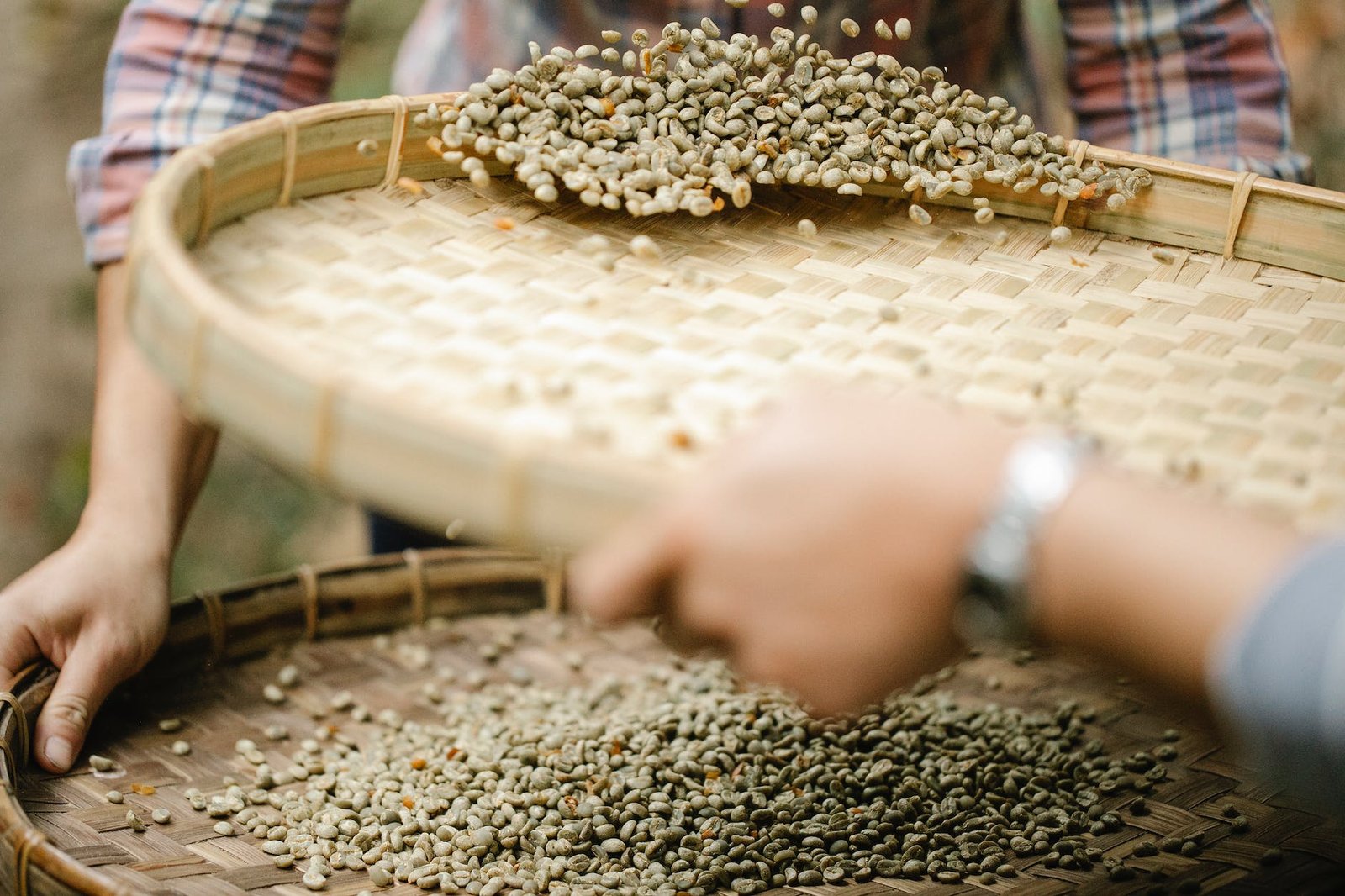
  1. Harvesting: Coffee cherries are selectively handpicked when fully ripe, ensuring a uniform and high-quality harvest.
  2. Depulping: The outer skin of the cherry is mechanically removed, exposing the beans covered with mucilage. Depulping can be done using machines or fermentation tanks. Some coffee producers use water channels to separate the lighter, less dense cherries from the fully ripe ones, which may indicate underripeness.
  3. Fermentation: The de-pulped beans, still covered with mucilage, are transferred to fermentation tanks with water. The fermentation process helps to break down and loosen the mucilage from the beans. The duration of fermentation varies but typically lasts between 12 to 72 hours.
  4. Washing: After fermentation, the beans are thoroughly washed to remove the remaining mucilage. This step is crucial in determining the cleanliness and clarity of the final cup.
  5. Drying: The washed beans are spread out to dry, either on patios, raised beds, or using mechanical dryers. The drying process is generally faster than in the natural method, as the beans are no longer covered in mucilage.
  6. Hulling: Once the beans have dried to the optimal moisture content, they undergo mechanical hulling to remove the parchment layer, revealing the green coffee beans.
This video Povived by Cafe Imports

Wet-washed coffees are known for their clean cup profile, distinct acidity, and the ability to showcase the unique flavors of the coffee beans. This processing method allows for greater control over the fermentation and washing processes, resulting in coffees with more clarity and brightness. Wet-washed coffees are often preferred for beans with delicate and nuanced flavor profiles, and they are popular in regions where water is abundant and the climate allows for efficient drying.

This method is commonly used in Central and South American countries, such as Costa Rica, Colombia, and Kenya, as well as in many specialty coffee-producing regions around the world.

The Various Methods of Processing Coffee

Coffee processing is a crucial step in turning freshly harvested coffee cherries into green coffee beans that are ready for roasting. There are several methods of coffee processing, each influencing the final flavor profile of the coffee. The three primary processing methods are:
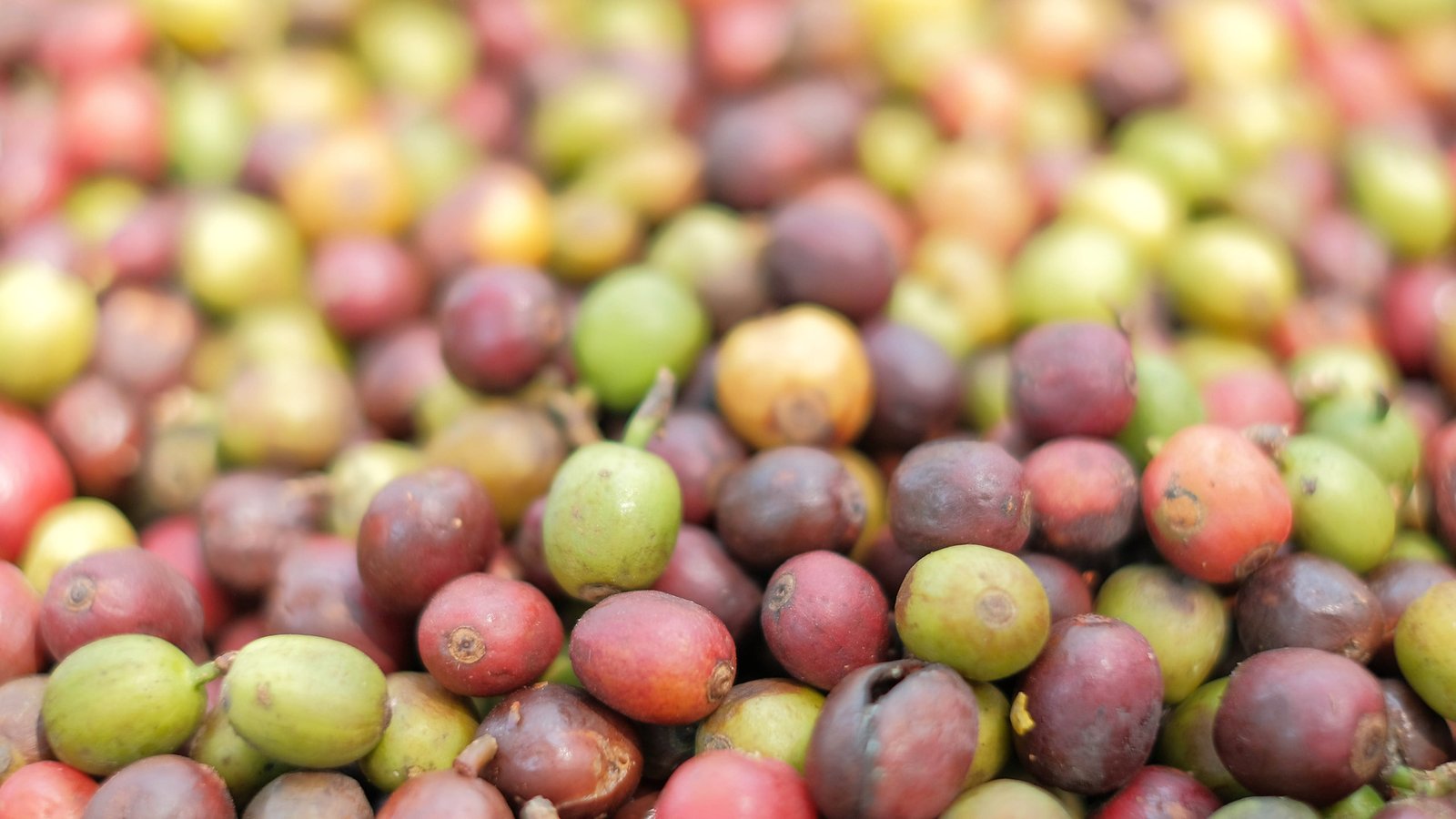
  1. Dry (Natural) Processing:
    • In the dry or natural processing method, freshly harvested coffee cherries are spread out in the sun to dry. The whole cherries are often left intact during the initial drying phase. As the cherries dry, the pulp naturally shrinks and separates from the beans inside.
    • Once sufficiently dried, the cherries are mechanically hulled to remove the dried pulp and reveal the green coffee beans inside.
    • Natural processed coffees often have a heavier body and more pronounced fruit and fermented flavors due to the extended contact between the bean and the fruit during drying.
  2. Wet (Washed) Processing:
    • In the wet or washed processing method, the outer skin of the cherries is removed mechanically, and the beans with their mucilage-covered parchment are then fermented in water tanks.
    • After fermentation, the beans are thoroughly washed to remove the remaining mucilage, and they are then dried. The drying can be done either in the sun or using mechanical dryers.
    • Washed coffees tend to have a cleaner cup profile with bright acidity and distinct, varietal flavors, as the fermentation process helps remove some of the fruit residues.
  3. Pulped Natural (Honey) Processing:
    • Pulped natural, also known as honey processed, is a hybrid method combining elements of both natural and washed processing. The outer skin is removed, but some or all of the mucilage is left on the beans during drying.
    • The level of mucilage left on the beans can vary, ranging from yellow (yellow honey) to red (red honey) to black (black honey). The more mucilage left, the more sweetness and complexity the coffee may retain.
    • Pulped natural coffees often exhibit a balance between the body and sweetness of naturally processed coffees and the cleanliness of washed coffees.

These processing methods significantly influence the flavor, acidity, body, and overall characteristics of the final cup of coffee. Additionally, variations in processing methods can occur within a region or country, contributing to the diversity of coffee profiles available to consumers. Specialty coffee often highlights specific processing methods as part of its marketing and labeling, as it plays a crucial role in shaping the unique qualities of each coffee.

The dry, natural, or unwashed coffee processing method is a traditional technique in which the entire coffee cherries are dried with the beans inside, without removing the pulp or mucilage. This method imparts unique characteristics to the coffee, resulting in a distinct flavor profile. Here is an overview of the dry natural coffee processing method:

  1. Harvesting: Coffee cherries are handpicked when they are fully ripe. The cherries should be red or yellow, indicating their readiness for harvest.
  2. Sorting: The freshly harvested cherries are sorted to remove any overripe or underripe fruits, as well as debris.
  3. Drying: The sorted cherries are spread out in a single layer on large, flat surfaces such as patios, raised beds, or mats to dry in the sun. The cherries are often turned regularly to ensure even drying.
  4. Natural Drying: The cherries are left intact during the initial drying phase, allowing the pulp and mucilage to dry around the beans. This process can take several weeks, depending on weather conditions.
  5. Mechanical Hulling: Once the cherries are sufficiently dried, the beans are mechanically hulled to remove the dried pulp and parchment layer, revealing the green coffee beans.
  6. Final Drying: The hulled beans undergo a final drying phase to reduce their moisture content to the optimal level for storage and transportation.

The dry natural processing method imparts distinct flavors to the coffee due to the extended contact between the beans and the fruit during the drying process. The beans absorb some of the sugars and fruity compounds from the pulp and mucilage, resulting in a cup with pronounced fruitiness, sweetness, and often a heavier body. The flavors can range from berry-like and tropical fruit notes to winey or fermented characteristics.

Video Provided by Cafe Imports

Dry natural processed coffees are particularly popular in regions with consistent sunny and dry weather, as the method relies on the sun for drying. Ethiopia is well-known for producing high-quality dry natural coffees, such as those from the Yirgacheffe region. However, this processing method is also used in various coffee-producing regions around the world, contributing to the diversity of coffee flavors available to consumers.