Dive into the Rich Depths of Flavor with a Dark Roast Coffee Bliss
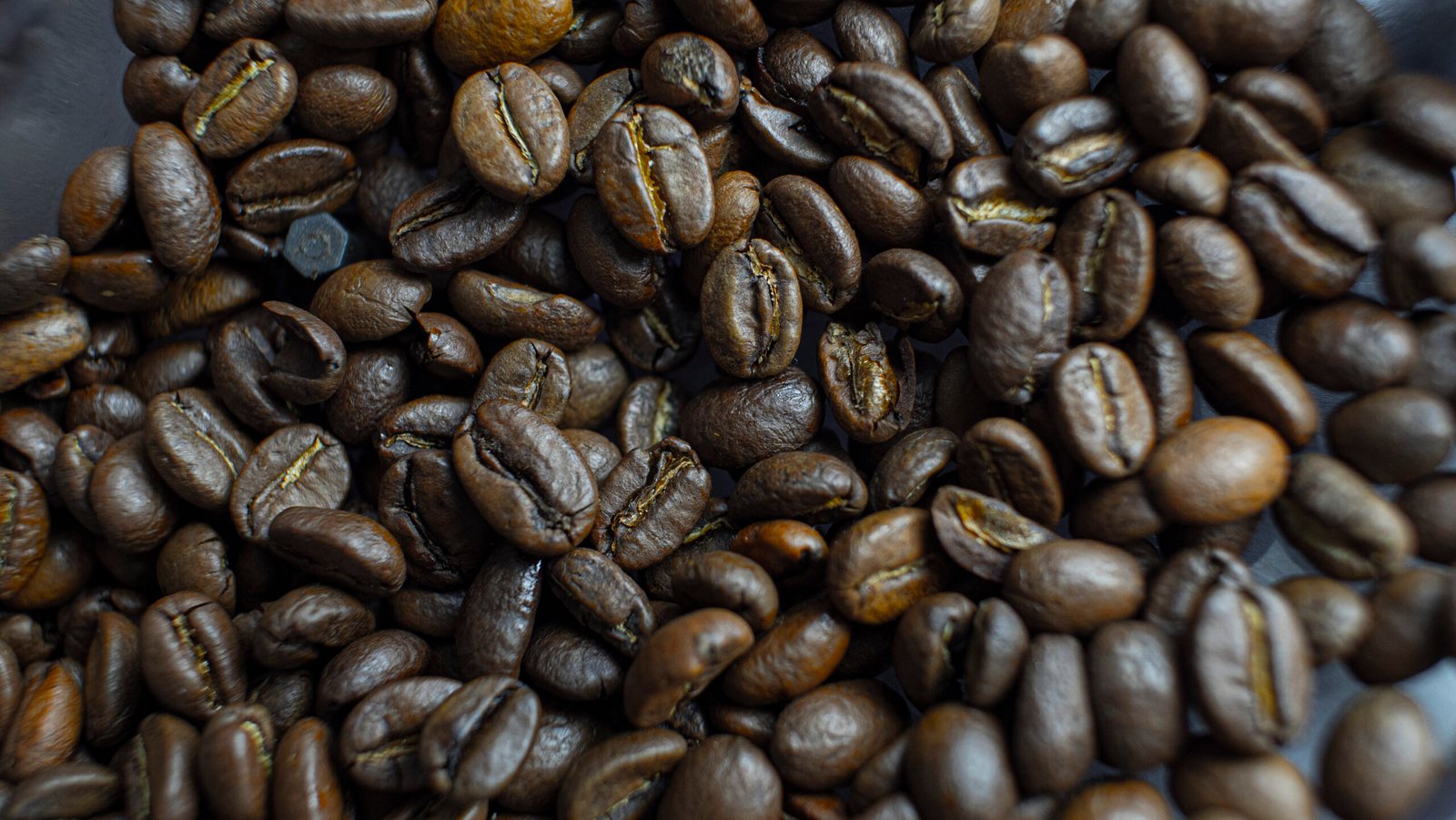
Dark roast coffee is characterized by its bold, robust flavors, often accompanied by a shiny, oily surface on the beans. Dark roasting brings out deep, smoky, and sometimes bitter notes, masking some of the bean’s origin characteristics. Here are some types of coffee that are commonly used for dark roasts:
- Brazilian Santos:
- Brazilian Santos beans are known for their low acidity, full body, and nutty, chocolatey flavors, making them suitable for a dark roast.
- Sumatran Mandheling:
- Sumatra Mandheling beans have a low acidity, full body, and earthy, spicy notes that work well with dark roasting.
- Sulawesi Toraja:
- Sulawesi Toraja beans can be dark roasted to highlight their full body, low acidity, and rich, chocolatey characteristics.
- Java:
- Java beans, particularly those from the island of Java in Indonesia, are often used in dark roasts. They offer a heavy body and a syrupy, chocolatey flavor.
- Colombian Excelso or Supremo:
- Colombian beans, especially those classified as Excelso or Supremo, can withstand dark roasting, resulting in a bold cup with chocolate and caramel undertones.
- Mexican Altura:
- Mexican Altura beans can be dark roasted to develop a full body and deep, rich flavors with notes of cocoa and nuts.
- Vietnamese Robusta:
- Vietnamese Robusta beans are often used in dark roasts for their strong, bold flavor with hints of chocolate and a lower acidity compared to Arabica beans.
- French Roast Blends:
- Dark roast blends, often labeled as French Roast or Espresso Roast, may include beans from various origins, with an emphasis on achieving a bold, dark flavor profile.
- Italian Roast Blends:
- Italian Roast blends are another dark option, often featuring a mix of beans roasted to a high degree to produce an intense, smoky cup.
Remember that dark roast coffee tends to have a more homogeneous flavor profile compared to lighter roasts, as the roast itself becomes a dominant factor. Additionally, the choice of coffee beans for dark roasts is subjective, and preferences can vary widely. It’s worth experimenting with different origins and blends to find the dark roast that suits your taste preferences.
As Good as It Gets
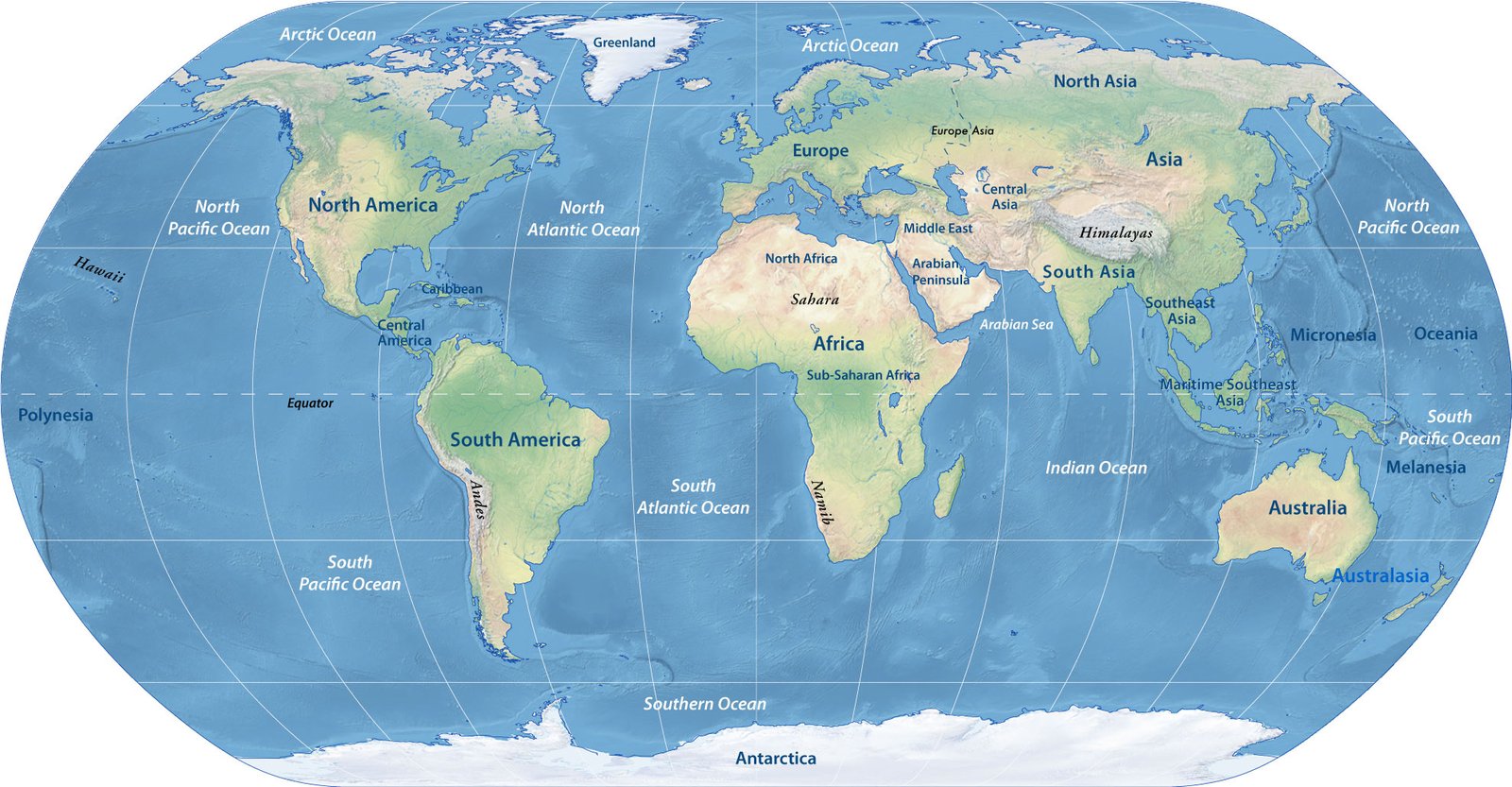
Coffee is grown in various countries around the world, primarily within the tropical belt known as the “coffee belt.” Here is a list of countries and territories where coffee beans are cultivated:
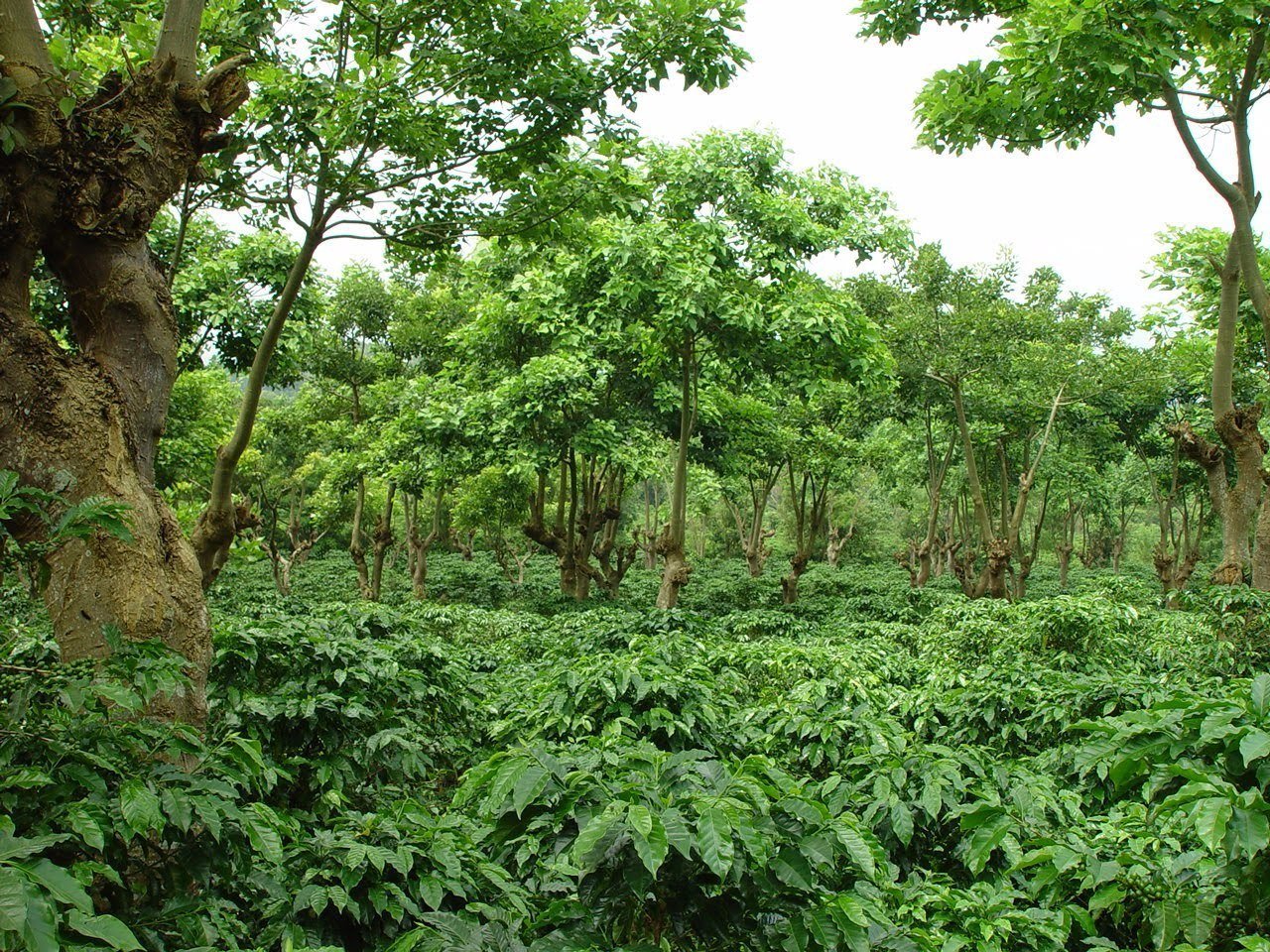
This list covers the primary coffee-producing countries and territories, but it’s important to note that within each country, coffee is often grown in specific regions with unique microclimates, altitudes, and soil conditions. These factors contribute to the distinct flavor profiles of coffee beans from different origins. Additionally, the coffee industry is dynamic, and new regions may emerge as coffee cultivation evolves.


Other Regions:
Exploring the Rich Heritage of Central America Coffee Region
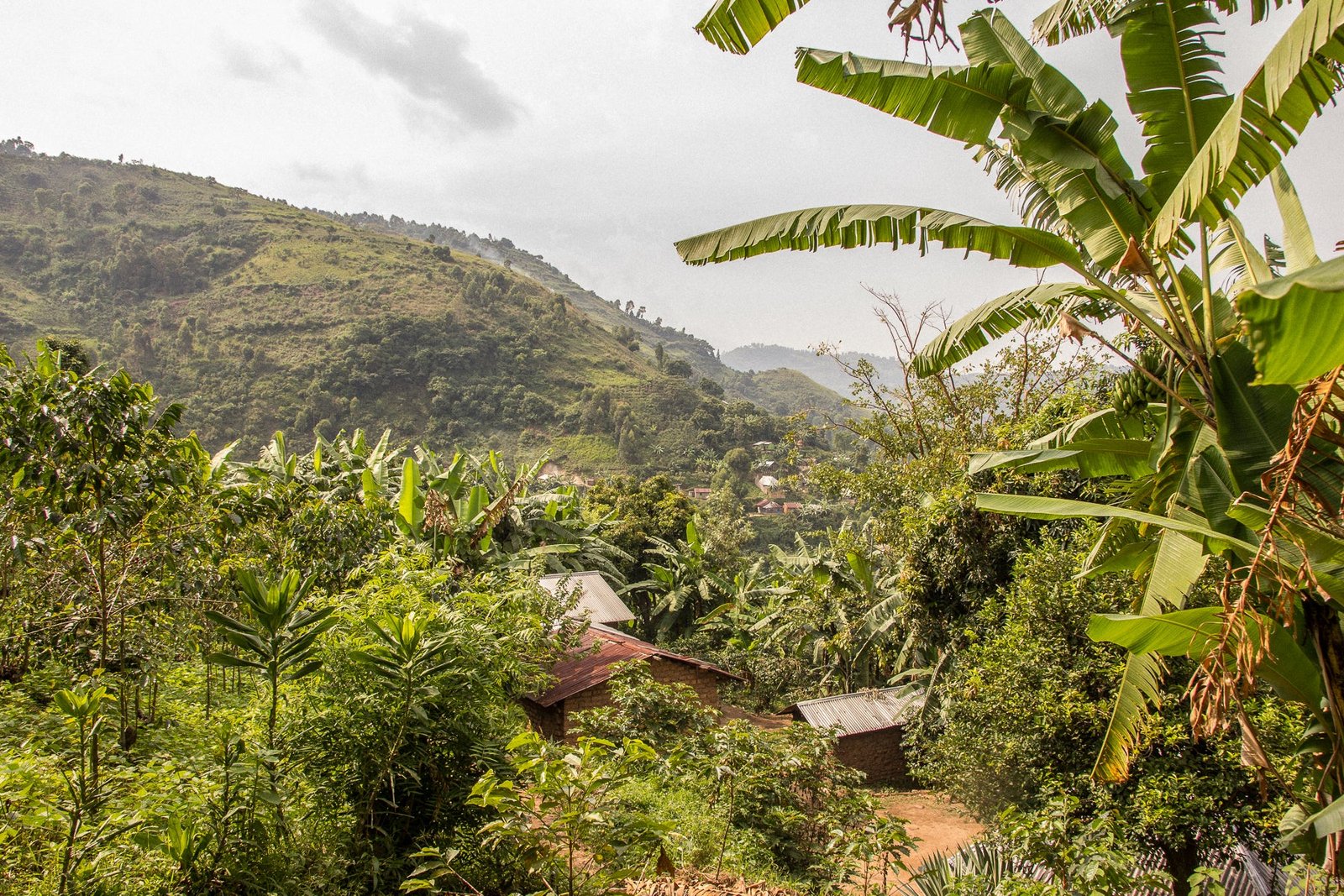
Central America, with its lush landscapes, volcanic soils, and diverse microclimates, is a region that has made an indelible mark on the world of coffee. The Central America coffee region is a symphony of flavors that emanates from the mountainous terrains of Costa Rica, the volcanic slopes of Guatemala, and the tropical lowlands of Honduras and Nicaragua. Each country within this region contributes to the rich tapestry of Central American coffee, offering a diverse array of flavors and profiles.
Costa Rica: Purity and Elegance
Costa Rica, often hailed for its commitment to high-quality coffee, is a key player in the Central America coffee landscape. The Costa Rican coffee region, including renowned areas like Tarrazú, Naranjo, and West Valley, is characterized by high-altitude plantations that benefit from volcanic soils and distinct wet and dry seasons.
Costa Rican coffees are celebrated for their purity, bright acidity, and balanced sweetness. The strict regulations and meticulous processing methods, including honey and natural processing, contribute to the nuanced flavor profiles. Tasting notes often include citrus, honey, and floral undertones, making Costa Rican coffee a favorite among specialty coffee enthusiasts.
Guatemala, with its dramatic landscapes dominated by volcanic peaks, is a jewel in the Central America coffee crown. The Guatemalan coffee region, encompassing regions such as Antigua, Huehuetenango, and Acatenango, benefits from the mineral-rich soils created by volcanic activity.
Guatemalan coffees are known for their full body, bright acidity, and a complex flavor profile. The interplay of altitude and volcanic terroir results in tasting notes that can include chocolate, fruit, and spice. The commitment to shade-grown and sustainable practices further enhances the quality and uniqueness of Guatemalan coffee.
Honduras, an emerging player in the specialty coffee scene, is gaining recognition for its high-quality Arabica beans. The Honduran coffee region, including areas like Copán, Ocotepeque, and Santa Bárbara, benefits from a diverse range of microclimates.
Honduran coffees are often characterized by bright acidity, medium body, and a flavor profile that can include notes of caramel, citrus, and nuts. The growth of smallholder farmers and the focus on improving quality and consistency are contributing to Honduras’ ascent in the global coffee market.
Nicaragua: Balance and Harmony
Nicaragua, with its volcanic landscapes and biodiversity, contributes to the Central America coffee mosaic with a focus on Arabica cultivation. The Nicaraguan coffee region, including regions like Jinotega and Matagalpa, benefits from high elevations and a balance of sun and shade.
Nicaraguan coffees are celebrated for their medium body, balanced acidity, and flavor profiles that can range from floral to fruity, with cocoa and nutty undertones. The emphasis on organic and shade-grown practices reflects Nicaragua’s commitment to environmental sustainability.
In Central America, coffee is more than an agricultural commodity; it is deeply woven into the cultural fabric of each country. Traditional coffee processing methods, including the sun-drying of beans and the use of hand-crafted mills, showcase the artisanal approach that defines Central American coffee culture. Coffee farms often serve as community hubs, fostering relationships and preserving cultural traditions.
Central American coffee regions face challenges, including climate change, pest pressures, and market fluctuations. However, many countries are actively engaged in sustainable practices, including rainforest preservation, agroforestry initiatives, and the adoption of organic farming methods. The commitment to sustainability ensures the longevity of the region’s coffee industry while preserving the natural beauty of Central American landscapes.
The Central America coffee region is a celebration of diversity, flavor, and cultural heritage. From the volcanic slopes of Guatemala to the pristine highlands of Costa Rica, each cup brewed from Central American beans is a journey through the landscapes and traditions that define this vibrant coffee landscape. As the region continues to evolve, Central American coffees remain a testament to the harmonious interplay between geography, culture, and the pursuit of excellence in the world of specialty coffee.
The Diverse Landscapes of the Birthplace of Coffee
Africa, often referred to as the birthplace of coffee, is a continent with a rich and diverse coffee heritage. The African coffee region is a tapestry woven with the flavors of Ethiopian highlands, the boldness of Kenyan beans, the elegance of Tanzanian coffees, and the vibrant traditions that have shaped the continent’s coffee culture.
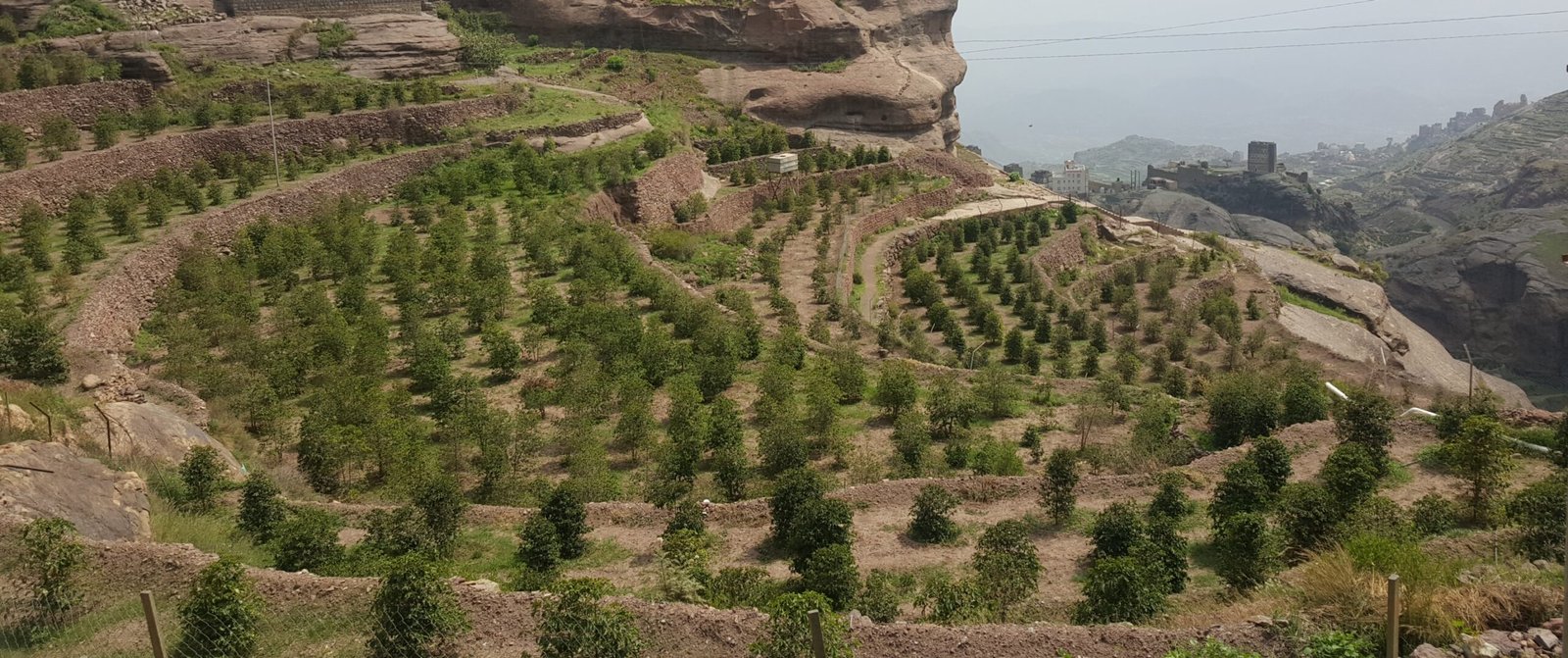
Ethiopia: The Cradle of Coffee Diversity
Ethiopia, the undisputed birthplace of coffee, is a country that boasts unparalleled diversity in its coffee offerings. The Ethiopian coffee region is characterized by its high-altitude plateaus, fertile soils, and ancient cultivation methods. Arabica beans, believed to have originated in the forests of Ethiopia, thrive in regions like Sidamo, Yirgacheffe, and Harrar.
Ethiopian coffees are celebrated for their unique flavor profiles, including floral notes, fruity undertones, and a distinctive winey acidity. The traditional processing methods, such as natural and washed, contribute to the complexity and depth of Ethiopian coffees, making them a hallmark of specialty coffee worldwide.
Kenya: Boldness and Brilliance
Kenya, nestled in East Africa, is renowned for its bold and vibrant coffees. The Kenyan coffee region, with its high-altitude plateaus and volcanic soils, produces Arabica beans known for their full body, bright acidity, and a flavor profile that includes citrus, blackcurrant, and floral notes.
The meticulous sorting and grading system in Kenya ensures the highest quality in every cup. Kenyan coffees, often grown by smallholder farmers organized into cooperatives, reflect a commitment to excellence and a focus on sustainable and ethical practices.
Tanzania: Elegance from Kilimanjaro to Arusha
Tanzania, with its majestic landscapes that include Mount Kilimanjaro and the slopes of Mount Meru, contributes to the African coffee mosaic with its elegant Arabica beans. The Tanzanian coffee region, encompassing regions like Arusha, Mbeya, and Kilimanjaro, showcases the diversity of flavors influenced by the country’s microclimates.
Tanzanian coffees are known for their bright acidity, medium body, and tasting notes that can range from citrus to chocolate and spice. The peaberry beans, a unique feature of Tanzanian coffee, are prized for their distinct round shape and concentrated flavor.
In Africa, coffee is not merely a beverage; it is a cultural cornerstone that fosters community, conversation, and celebration. Traditional coffee ceremonies, such as the Ethiopian coffee ceremony known as “bunna,” are significant social events that bring people together. Coffee is woven into the fabric of daily life, from the markets of Addis Ababa to the bustling streets of Nairobi, becoming a symbol of hospitality and connection.
African coffee regions face challenges, including climate change, fluctuating market prices, and limited access to resources. However, sustainability initiatives, such as agroforestry practices, organic farming, and fair trade partnerships, are gaining traction. African coffee producers are actively engaged in preserving their ecosystems and promoting economic empowerment within their communities.
African coffees hold a significant place in the global coffee market, often setting the standard for specialty coffee. The distinctiveness of Ethiopian, Kenyan, and Tanzanian coffees has contributed to the rise of single-origin offerings and the exploration of unique flavor profiles by roasters and consumers alike.
The African coffee region is a testament to the continent’s pivotal role in the global coffee narrative. From the ancient highlands of Ethiopia to the picturesque landscapes of Kenya and Tanzania, each country contributes a chapter to the story of African coffee splendor. As the continent navigates the challenges and opportunities in the coffee industry, the flavors that emerge from African beans continue to captivate, inspire, and celebrate the rich heritage of the birthplace of coffee. Each cup brewed from African beans becomes a journey through the landscapes, traditions, and flavors that define the heart of the African coffee experience.
Tracing the Rich Tapestry of the Middle East Coffee
The Middle East, a region renowned for its ancient history, diverse cultures, and arid landscapes, has long played a significant role in the global coffee narrative. The Middle East coffee region, with its storied coffee traditions, offers a unique and enchanting experience that intertwines history, hospitality, and the aromatic allure of finely brewed coffee.
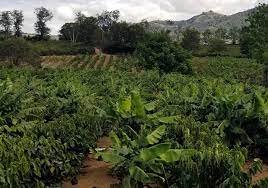
The Middle East stands as one of the cradles of coffee culture, with a history that dates back centuries. Legend has it that coffee was discovered in the Ethiopian highlands, making its way to the Arabian Peninsula. Yemen, in particular, holds a special place in the heart of coffee history. The port city of Mocha became synonymous with the export of Yemeni coffee, captivating the taste buds of traders and coffee lovers across the world.
Arabica coffee, celebrated for its nuanced flavors and aromatic qualities, dominates the Middle East coffee scene. Yemen, with its high-altitude regions like Haraz and Yemeni Western Highlands, is known for cultivating high-quality Arabica beans. The slow maturation process at elevations ranging from 1,000 to 2,500 meters contributes to the distinctive flavors of Yemeni coffee.
Middle Eastern coffees, particularly those from Yemen, are renowned for their bright acidity, medium body, and a complex flavor profile. Tasting notes often include floral, fruity, and spicy undertones, reflecting the unique terroir and meticulous cultivation methods employed by local farmers. The traditional dry processing method, where coffee cherries are left to dry with the fruit intact, imparts a distinct sweetness and depth to Middle Eastern coffees.
In the Middle East, coffee is more than a beverage; it is an integral part of social rituals, hospitality, and cultural traditions. The coffee ceremony, known as “qahwa” in Arabic, is a cherished practice that transcends borders and unites people across the region. From the intricate preparation of Turkish coffee to the elaborate coffee ceremonies in Saudi Arabia and the Gulf states, the act of brewing and sharing coffee is a symbol of warmth, connection, and cultural richness.
Middle Eastern countries have perfected the art of coffee brewing using traditional methods that have been passed down through generations. Turkish coffee, with its finely ground coffee beans and unique preparation in a cezve, is a symbol of Turkish hospitality. In Saudi Arabia and the Gulf states, the preparation of Arabic coffee, often flavored with cardamom, is an art form that reflects the region’s cultural heritage.
While deeply rooted in tradition, the Middle East is also embracing modern coffee culture. Urban centers like Dubai, Riyadh, and Doha boast a vibrant coffee scene with specialty coffee shops, third-wave coffee roasters, and a growing community of coffee enthusiasts. The fusion of traditional practices with contemporary coffee trends showcases the region’s dynamic approach to the evolving coffee landscape.
The Middle East faces challenges in coffee production, including water scarcity, changing climates, and the need for sustainable farming practices. However, innovative initiatives, such as vertical farming and water-efficient cultivation methods, are emerging to address these challenges. The Middle East’s commitment to preserving its coffee heritage while adapting to modern agricultural practices is a testament to the region’s resilience.
The Middle East coffee region is a captivating oasis where the aroma of finely brewed coffee mingles with the echoes of history and cultural traditions. From the ancient coffeehouses of Yemen to the bustling coffee scenes of contemporary urban centers, the Middle East’s coffee culture is a journey through time, flavor, and hospitality. As the region continues to balance tradition with innovation, each cup brewed in the Middle East becomes a sip of the rich and aromatic legacy that has defined the heart of coffee culture for centuries.
the Rich Flavors of Tropical Elegance”
The Caribbean, a region known for its turquoise waters, white sandy beaches, and vibrant culture, is also home to a burgeoning coffee scene. The Caribbean coffee region is a hidden gem, where lush landscapes, tropical climates, and a commitment to quality coffee cultivation converge to create a unique and flavorful experience.
The Caribbean coffee region encompasses several islands, each contributing to the region’s diverse coffee profile. From the mountainous terrains of the Dominican Republic to the volcanic slopes of Jamaica, the Caribbean’s geographical diversity offers ideal conditions for growing Arabica coffee, known for its nuanced flavors and distinct characteristics.
Jamaica: Blue Mountain Elegance
Jamaica, particularly its renowned Blue Mountain region, stands as a beacon in the Caribbean coffee scene. The Blue Mountains, with elevations reaching up to 2,256 meters, create a microclimate that is ideal for cultivating Arabica beans. Jamaica Blue Mountain coffee is celebrated for its mild acidity, medium body, and flavor profile that includes floral, fruity, and nutty notes.
The strict regulations governing the cultivation and processing of Blue Mountain coffee, coupled with the limited geographical area suitable for cultivation, contribute to its exclusivity and premium status in the global coffee market.
Haiti: Resilience and Richness
Haiti, a country with a complex history and vibrant culture, is carving a niche for itself in the Caribbean coffee scene. Haitian coffee is predominantly Arabica, grown in the mountainous regions such as the Nord-Ouest and Grand’Anse departments. Despite facing challenges such as deforestation and economic instability, Haitian coffee farmers are dedicated to preserving their coffee heritage.
Haitian coffee is known for its bright acidity, medium body, and flavor profile that can include citrus, chocolate, and spice notes. The emerging specialty coffee movement in Haiti is not only contributing to the country’s economic development but also highlighting the resilience and determination of local coffee producers.
Dominican Republic: Cultural Richness in Every Sip
The Dominican Republic, with its rich cultural heritage, is another significant player in the Caribbean coffee landscape. The Cordillera Central, a mountain range running through the country, provides an ideal environment for coffee cultivation. Arabica beans, grown at varying elevations, contribute to the diverse flavor profile of Dominican coffee.
Dominican coffee is often characterized by bright acidity, medium body, and flavor notes that can include tropical fruits, chocolate, and floral undertones. The coffee plantations, or “cafetales,” in the Dominican Republic are not just agricultural spaces but living museums that tell the story of the nation’s history and resilience.
Coffee in the Caribbean is more than a beverage; it is a cultural experience deeply rooted in the fabric of each island. The coffee traditions, from the elaborate coffee ceremonies in Haiti to the celebration of Blue Mountain coffee in Jamaica, reflect the warmth, hospitality, and cultural richness of the Caribbean people.
The Caribbean coffee region places a strong emphasis on sustainability and community engagement. Many coffee producers in the region are adopting eco-friendly farming practices, agroforestry techniques, and fair trade principles. These initiatives not only preserve the natural beauty of the Caribbean landscapes but also contribute to the well-being of local communities.
While the Caribbean coffee region faces challenges such as climate change, natural disasters, and economic uncertainties, the resilience of local farmers and their dedication to quality have propelled these islands into the spotlight. The triumphs of Caribbean coffee are not only in the cup but also in the stories of perseverance and passion that define the region’s coffee culture.
The Caribbean coffee region is a hidden treasure, waiting to be discovered by coffee enthusiasts seeking a journey through rich flavors and cultural narratives. From the Blue Mountains of Jamaica to the cafetales of the Dominican Republic and the high-altitude fields of Haiti, each island in the Caribbean contributes its own chapter to the story of Caribbean coffee bliss. As the region continues to evolve and gain recognition, every cup brewed from Caribbean beans becomes a sip of the sun-soaked landscapes, the resilience of its people, and the cultural richness that defines this unique corner of the coffee world.


