

A Harmonious Blend of Tradition, Flavor, and East African Elegance
Kenyan coffee stands as a proud ambassador of East African coffee excellence, celebrated globally for its distinctive flavor profiles, stringent quality standards, and the unique attributes imparted by the country’s diverse landscapes. Kenya, nestled in the highlands near the equator, provides an ideal environment for cultivating Arabica coffee, and the Kenyan coffee industry has become synonymous with quality, precision, and a commitment to excellence.
One of the key factors contributing to the exceptional taste of Kenyan coffee is the country’s diverse microclimates and altitudes. Coffees from regions like Nyeri, Kirinyaga, and Murang’a, situated on the slopes of Mount Kenya, are known for their bright acidity, full body, and complex flavor profiles. The volcanic soils, high altitudes, and favorable climate create optimal conditions for the development of unique and sought-after coffee beans.
Kenyan coffee is often characterized by its distinct wine-like acidity, reminiscent of blackcurrant or citrus notes. The beans undergo a meticulous wet processing method, involving fermentation and washing, which contributes to the clean, vibrant, and well-balanced flavors that define Kenyan coffee.
The Kenyan coffee auction system, managed by the Nairobi Coffee Exchange, plays a crucial role in maintaining quality and transparency in the industry. Through this system, coffees are rigorously graded based on factors like bean size, moisture content, and cupping scores, ensuring that only the highest quality beans reach the market. The Auction system also fosters competition among coffee producers, incentivizing them to consistently produce top-tier coffees.
In addition to its flavor attributes, Kenyan coffee holds cultural significance, with coffee farming deeply rooted in the traditions of Kenyan communities. The smallholder farmers, who form the backbone of the industry, take pride in their meticulous cultivation practices, often handed down through generations.
The popularity of Kenyan coffee has surged in the specialty coffee market, with terms like “Kenyan AA” (referring to the highest grade) and “Kenyan single origin” becoming synonymous with quality and premium taste. The unique combination of terroir, varietals like SL28 and SL34, and the commitment to sustainable and ethical farming practices further enhances the desirability of Kenyan coffee among discerning consumers.
As the global demand for exceptional coffee experiences continues to grow, Kenyan coffee remains a shining example of the artistry and craftsmanship inherent in the coffee industry. Each cup tells a story of the lush landscapes, dedicated farmers, and a commitment to producing some of the finest coffees the world has to offer. Whether enjoyed in a bustling Kenyan market or savored in a specialty coffee shop abroad, Kenyan coffee is a testament to the rich tapestry of flavors that make coffee a truly remarkable and global beverage.
Journeying Through the Birthplace of Arabica Excellence
Ethiopian coffee, often referred to as the “birthplace of coffee,” holds a special place in the hearts of coffee enthusiasts worldwide. The unique combination of Ethiopia’s rich coffee heritage, diverse coffee varieties, and traditional cultivation methods contributes to the exceptional and distinct flavors found in Ethiopian coffee beans.
Ethiopia, nestled in the Horn of Africa, is believed to be the origin of the Arabica coffee plant. The legend goes that a 9th-century Ethiopian goat herder named Kaldi discovered the coffee bean after noticing his goats became unusually energetic upon consuming the berries from a certain plant. This serendipitous discovery laid the foundation for the global coffee culture we know today.
One of the defining features of Ethiopian coffee is its exceptional diversity. Ethiopia is home to numerous coffee varieties, each with its unique flavor profile influenced by factors such as altitude, climate, and soil. Notable Ethiopian coffee varieties include Sidamo, Yirgacheffe, Harrar, and Limu, each offering a distinctive taste experience.
Yirgacheffe, in particular, is renowned for its floral and citrusy notes, often considered one of the finest and most sought-after coffee varieties globally. Sidamo coffees, on the other hand, are celebrated for their bright acidity and wine-like characteristics. Harrar coffees, grown in the Eastern Highlands, are known for their full-bodied and fruity flavors, while Limu coffees from the southwest exhibit a balanced profile with a hint of winey acidity.
The traditional Ethiopian coffee ceremony, known as “Bunna,” is a cultural ritual that showcases the importance of coffee in Ethiopian society. The ceremony involves roasting green coffee beans, grinding them, and brewing the coffee in a special pot called a “jebena.” This communal experience emphasizes the social and cultural significance of coffee in Ethiopian communities.
Ethiopian coffee’s global appeal has led to the emergence of terms like “Ethiopian single origin” and “Ethiopian specialty coffee” in coffee culture and marketing. Coffee enthusiasts actively seek out these coffees for their unique and vibrant flavor profiles.
In recent years, Ethiopia has also embraced sustainable and traceable coffee practices. The country’s commitment to environmentally friendly and socially responsible coffee production is reflected in certifications such as Organic and Fair Trade, meeting the growing demand for ethically sourced coffee.
As consumers increasingly appreciate the nuances of coffee and the stories behind each cup, Ethiopian coffee continues to captivate with its rich history, diverse flavors, and cultural significance. Whether sipped in a bustling Ethiopian market or enjoyed in a trendy coffee shop halfway around the world, Ethiopian coffee offers a journey through time and taste, celebrating the roots of this beloved beverage.
The Pinnacle of Coffee Flavor and Sophistication
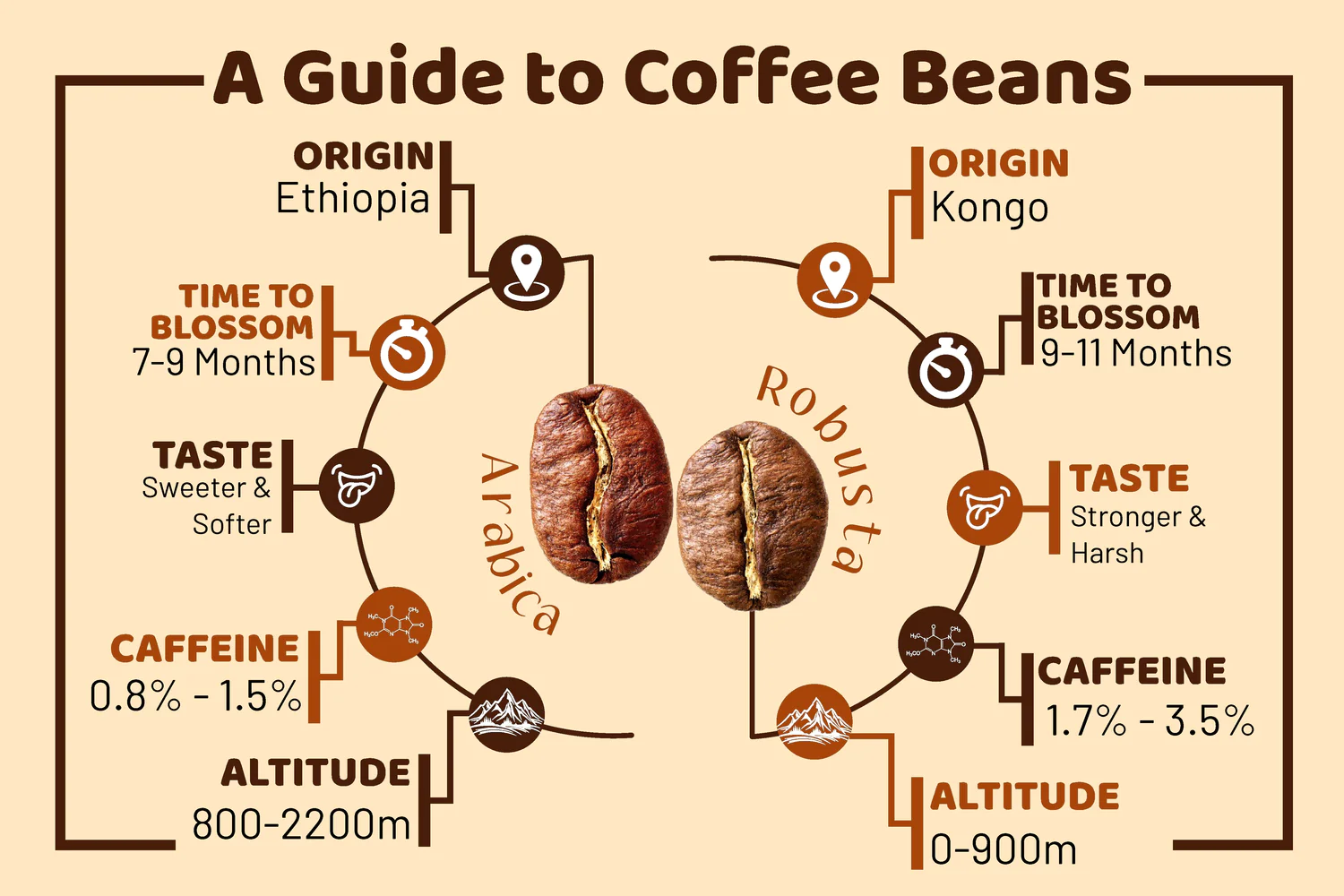
Arabica coffee refers to one of the two primary species of coffee beans used for coffee production, the other being Robusta. Arabica coffee beans come from the Coffea arabica plant, which is known for its superior quality and delicate flavor profile. Here are some characteristics of Arabica coffee:
Arabica beans are often praised for their complex and nuanced flavor. They can exhibit a wide range of tastes, including fruity, floral, and acidic notes. The flavor can be influenced by factors such as the region where the coffee is grown, the altitude, and the processing method.
Arabica coffee tends to have a higher level of acidity compared to Robusta. This acidity is often described as bright and vibrant, adding to the overall complexity of the flavor. Arabica beans generally have less caffeine compared to Robusta beans. This lower caffeine content contributes to the milder and smoother taste of Arabica coffee.
Arabica plants thrive at higher elevations with cooler temperatures, typically between 2,000 and 6,000 feet (600 to 1,800 meters) above sea level. They are more susceptible to diseases and pests, requiring specific growing conditions. Arabica coffee beans are generally oval-shaped with a curved crease on one side.
Due to its favorable flavor characteristics, Arabica coffee is often considered the preferred choice for specialty and gourmet coffees. It is cultivated in various coffee-producing regions worldwide, including countries in Latin America, Africa, and Asia. Arabica beans make up a significant portion of the global coffee market, prized for their quality and diverse flavor profiles.
Colombian Coffee’s Journey Through the Andean Peaks
Colombian coffee, often hailed as one of the finest in the world, is a jewel in the crown of Latin America’s coffee-producing nations. The country’s coffee industry has not only shaped its economic landscape but has also become synonymous with high-quality Arabica beans, cultivated with care and precision across the breathtaking landscapes of the Andes. In this essay, we delve into the unique characteristics, cultural significance, and global impact of Colombian coffee.
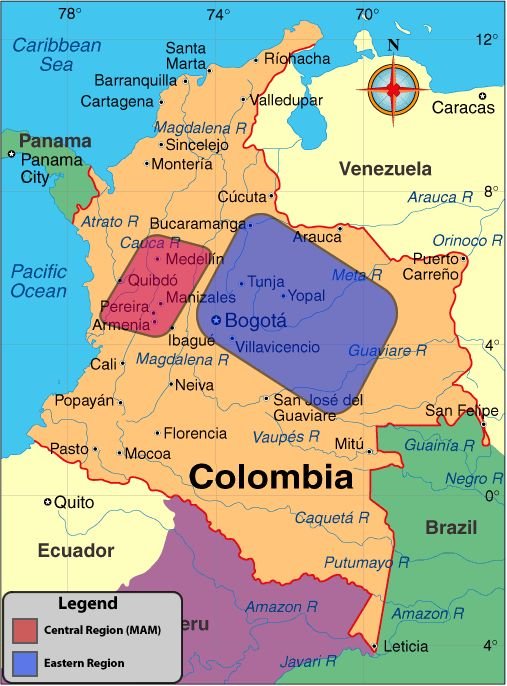
Colombia’s coffee regions are intricately woven into the folds of the Andes, creating a mosaic of microclimates that foster the cultivation of exceptional coffee beans. The three primary coffee-growing regions – Huila, Antioquia, and Tolima – each contribute distinct flavors and profiles to the Colombian coffee portfolio.
Colombian coffee is celebrated for its well-balanced acidity, medium body, and flavor spectrum that dances from citrusy brightness to cocoa richness. The elevation at which the coffee is grown plays a crucial role in shaping these profiles. The high-altitude plantations, often reaching 6,000 feet and above, impart a unique complexity to the beans, allowing them to develop slowly and fully.
Colombian coffee is predominantly Arabica, prized for its nuanced flavor, moderate acidity, and aromatic qualities. The Arabica beans grown in Colombia benefit from the country’s ideal coffee-growing conditions – fertile volcanic soils, consistent rainfall, and a range of temperatures that create the perfect environment for slow, optimal maturation.
Coffee is not merely an agricultural commodity in Colombia; it is a cultural touchstone deeply embedded in the nation’s identity. The Colombian Coffee Growers Federation, established in 1927, has played a pivotal role in promoting and protecting the interests of coffee producers. The iconic Juan Valdez, a fictional character created to represent Colombian coffee farmers, has become a symbol of the country’s dedication to quality.
Nestled within the Andes, the Coffee Triangle, comprising the regions of Caldas, Quindío, and Risaralda, is a UNESCO World Heritage site recognized not only for its stunning landscapes but also for its contribution to the global coffee industry. Traveling through this region, one encounters lush coffee plantations, where the meticulous cultivation and harvesting processes unfold against a backdrop of verdant hills.
Colombian coffee is more than a beverage; it is a sensory journey through the peaks and valleys of the Andes, a testament to the dedication of generations of coffee growers, and a celebration of the natural beauty that shapes its flavor. As we sip a cup of Colombian coffee, we partake in a tradition that transcends borders, connecting us to the rich tapestry of Latin American coffee culture and the enduring legacy of excellence that elevates each Colombian bean.
Unveiling the Intricacies of Coffee Harvest
Coffee, the world’s beloved beverage, embarks on a fascinating journey from cultivation to cup. Central to this journey is the harvesting process, a crucial stage that determines the quality and flavor nuances of the final brew. In this essay, we will delve into the intricacies of coffee harvesting, exploring the methods employed and the labor-intensive yet artful practices that contribute to the creation of the perfect coffee bean.
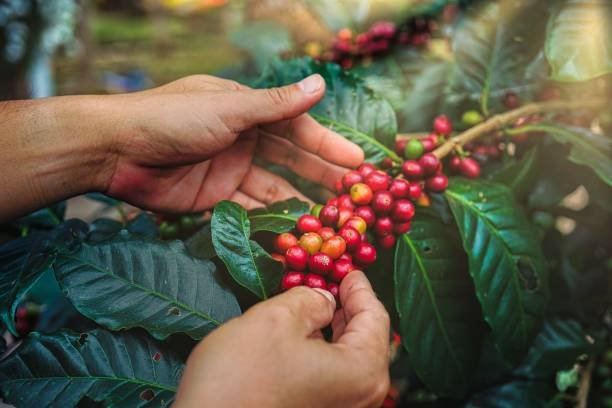
The coffee journey begins in coffee plantations, often located in regions with specific climatic conditions and altitudes conducive to coffee cultivation. Coffee plants, belonging to the genus Coffea, bear fruit known as cherries. These cherries take several months to ripen, transitioning through various colors from green to yellow, red, and ultimately dark crimson. The ripening process is crucial, as it influences the coffee’s flavor profile and acidity.
Unlike some other crops, coffee is typically harvested by hand, a practice known as selective picking. Skilled laborers, often local farmers, traverse the coffee plantations, carefully selecting only the ripe cherries for harvest. This meticulous approach ensures that only the highest-quality beans are collected, as unripe or overripe cherries can negatively impact the flavor and quality of the coffee.
In some cases, particularly with robusta coffee, strip picking is employed. This method involves harvesting all the cherries from a branch in a single pass, regardless of their ripeness. While strip picking is less labor-intensive, it can result in a mixture of ripe and unripe cherries, potentially affecting the overall quality of the coffee.
In modern coffee production, mechanical harvesting is gaining popularity, especially in large-scale plantations. Machines equipped with rotating drums or mechanical arms strip the cherries from the branches. While this method significantly reduces labor costs, it requires careful calibration to ensure that only ripe cherries are harvested, maintaining the quality of the beans.
Following the harvest, the coffee cherries undergo processing to extract the coffee beans. This typically involves one of two methods: dry processing or wet processing. Dry processing involves allowing the cherries to dry in the sun before mechanically removing the beans. Wet processing, on the other hand, involves removing the beans from the cherries and fermenting them before washing and drying. The processing method contributes to the flavor and characteristics of the final coffee product.
The harvesting of coffee is a labor-intensive and meticulous process that shapes the destiny of the beloved beverage. From the careful selection of ripe cherries by skilled hands to the adoption of modern technologies, the art of coffee harvesting intertwines tradition and innovation. The dedication of farmers and the intricacies of the harvesting process are integral to the creation of the diverse and nuanced flavors that coffee enthusiasts savor in each cup. As we sip our morning brew, it’s worth appreciating the journey of the coffee bean, from the sun-kissed plantations to the artful hands that bring forth this elixir of awakening and delight.
Elevating Coffee Beans to Perfectly Crafted Flavorful Delights”
Roasting coffee beans is a transformative process that elevates the humble green coffee seeds into the aromatic and flavorful beans we love to brew. This crucial step in the coffee production chain plays a pivotal role in determining the final taste, aroma, and characteristics of the coffee. Let’s delve into the art and science of coffee bean roasting, exploring the key steps and techniques involved.
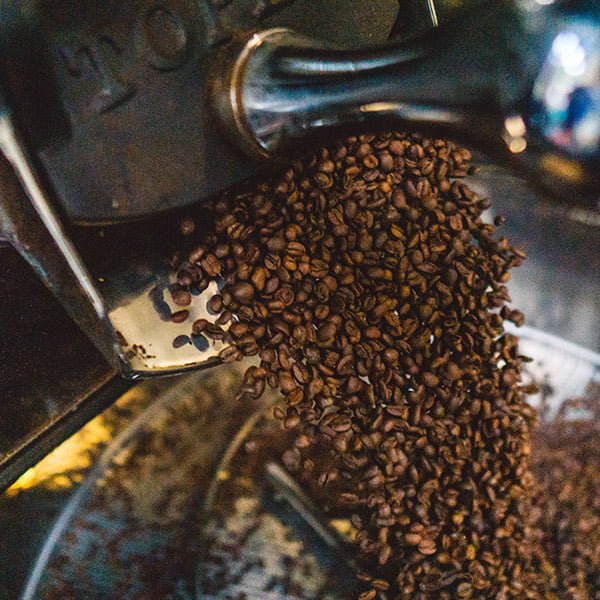
1. The Roasting Process: Coffee roasting is a delicate dance of time, temperature, and technique. Green coffee beans, harvested from regions worldwide, undergo a meticulous roasting process to unlock their full flavor potential. The process typically involves applying heat to the beans, causing chemical changes that result in the development of various flavors and aromas.
2. Green to Brown: As the green coffee beans are subjected to heat, they undergo a series of transformations. The beans start to change color, transitioning from green to yellow and eventually reaching the desired shade of brown. This color change signifies the Maillard reaction, a complex chemical process that produces the distinctive flavors associated with roasted coffee.
3. Development of Flavors: The Maillard reaction is a key player in flavor development during roasting. Amino acids and reducing sugars react under heat, creating a myriad of flavorful compounds. This reaction is responsible for the rich, complex taste and aroma of roasted coffee, encompassing notes of caramel, chocolate, and other desirable characteristics.
4. Roast Levels: Roasting is an art that allows for customization based on desired flavor profiles. Coffee beans can be roasted to various levels, ranging from light to dark. Light roasts often preserve the inherent flavors of the coffee origin, while dark roasts offer a bolder, more robust profile with roasted notes. Terms like “light roast,” “medium roast,” and “dark roast” are frequently searched as coffee enthusiasts seek their preferred taste.
5. Cooling and Degassing: Once the beans reach the desired roast level, they undergo a cooling process to halt the roasting reactions. This stage is crucial for preserving the flavor profile. Additionally, freshly roasted coffee beans release carbon dioxide during the first few days post-roast, a process known as degassing. Coffee aficionados often look for “freshly roasted coffee” to experience the peak flavor during this degassing period.
6. Specialty Coffee and Single-Origin: In the realm of SEO, terms like “specialty coffee” and “single-origin coffee” are gaining prominence. Specialty coffee refers to beans of exceptional quality, often sourced from specific regions. Single-origin coffee emphasizes the distinct characteristics imparted by a particular geographic location, appealing to those seeking unique and high-quality coffee experiences.
7. Sustainability and Ethical Sourcing: Modern consumers, conscious of ethical practices, frequently search for terms like “sustainable coffee” and “ethically sourced beans.” Coffee roasters are increasingly prioritizing fair trade and environmentally friendly sourcing practices, aligning with the values of socially responsible consumers.
In conclusion, coffee bean roasting is a nuanced and dynamic process that shapes the essence of the coffee we enjoy. As the demand for high-quality, flavorful coffee grows, so does the exploration of roast profiles and brewing techniques. From the light roasts that preserve the nuances of origin to the dark roasts that bring out bold and intense flavors, the world of coffee roasting is a journey of discovery for both roasters and coffee enthusiasts alike.