Savoring the Bold and Distinctive Flavors of Robusta Coffee
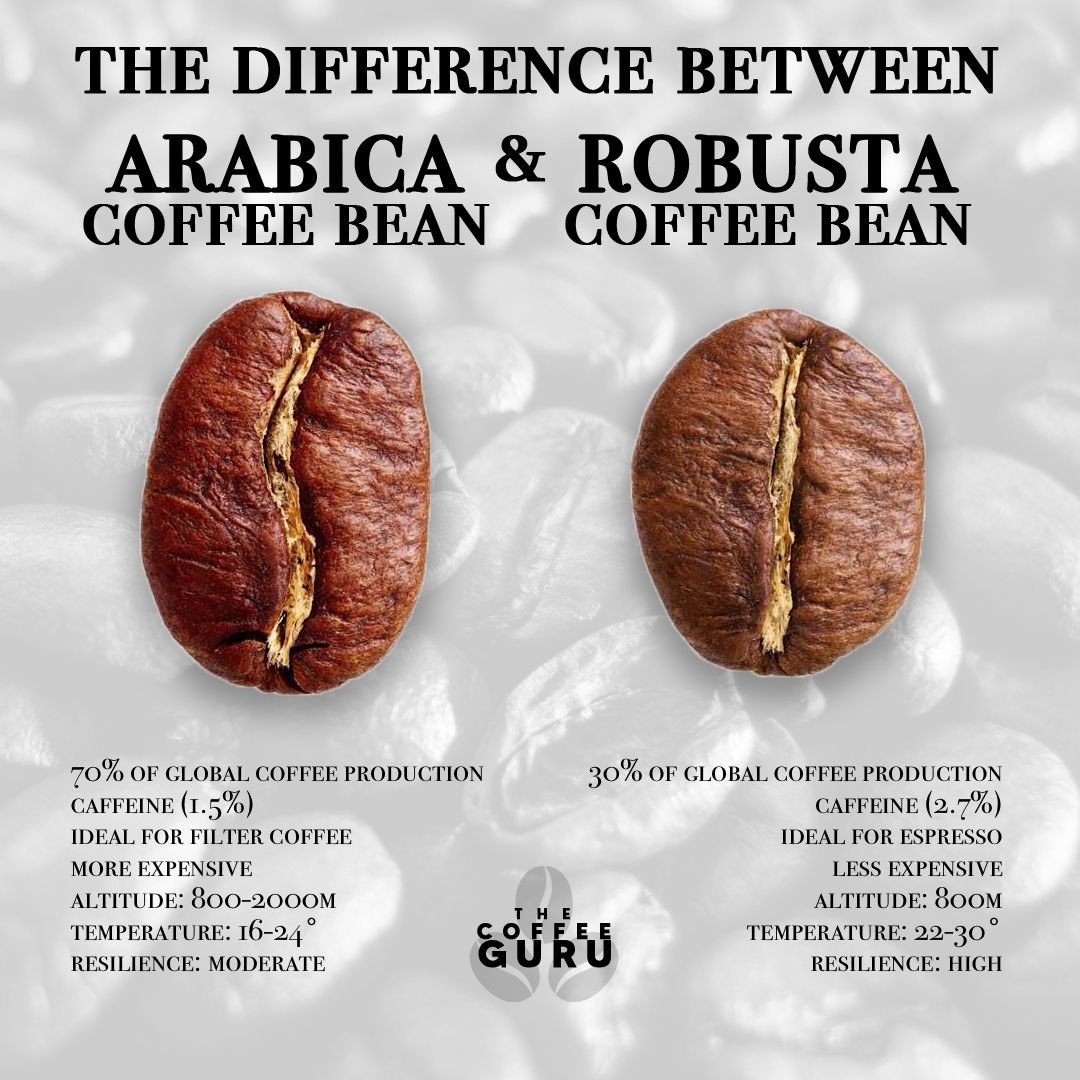
Robusta coffee is another major species of coffee beans, alongside Arabica. It comes from the Coffea canephora plant, commonly known as robusta. Robusta beans are known for their distinct characteristics, which differ from those of Arabica beans.
Robusta coffee has a stronger, more robust flavor compared to Arabica. It often has a more bitter and earthy taste with a heavier body. The flavor can include notes of nutty, woody, or chocolaty tones. Robusta coffee is generally lower in acidity compared to Arabica. The lower acidity contributes to the perceived bitterness and full-bodied character of Robusta coffee.
Robusta beans contain higher levels of caffeine compared to Arabica. This higher caffeine content contributes to the robust flavor and makes Robusta beans more resistant to pests and diseases. Robusta plants are hardier and more resilient, thriving in lower elevations and warmer climates. They are well-suited for regions with higher temperatures and can withstand a variety of environmental conditions.
Robusta coffee beans are typically more circular and have a straighter crease on one side compared to the oval shape of Arabica beans. Robusta beans are commonly used in espresso blends and instant coffee due to their strong flavor and higher caffeine content. They are also often used in commercial coffee blends for their cost-effectiveness.
While Robusta coffee is sometimes considered of lower quality than Arabica, it serves important roles in the coffee industry. Its hardiness and resistance to pests make it a more sustainable choice for certain growing regions. Additionally, some people appreciate the bold and robust flavor of Robusta, particularly in certain types of coffee blends.
A Journey into the Art and Science of Perfecting the Bean
Coffee, a beverage cherished worldwide, owes much of its flavor profile to the roasting process. Coffee beans undergo a remarkable transformation during roasting, developing distinct characteristics that appeal to a wide range of palates. The art and science of coffee roasting have given rise to various types of roasts, each offering a unique sensory experience. In this essay, we will delve into the world of coffee roasts, exploring their types and the flavors they impart.

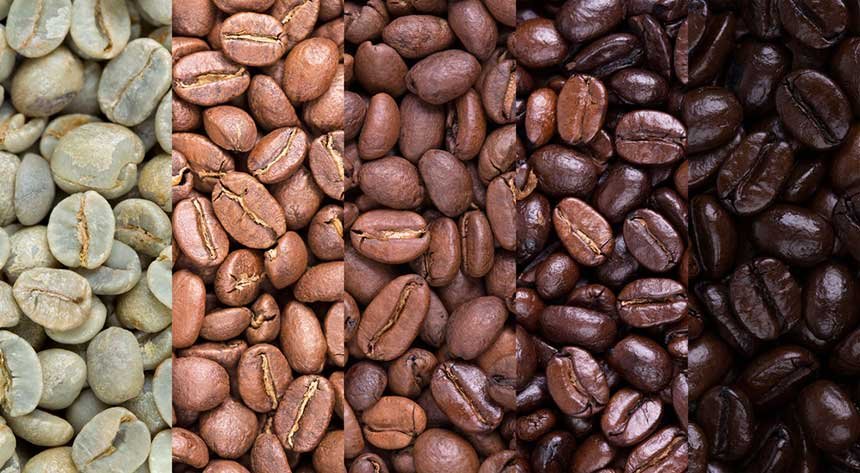
Light roast coffee, often referred to as “Cinnamon” or “New England” roast, is characterized by its light brown color and high acidity. The beans are roasted at lower temperatures for a shorter duration, allowing their natural flavors to shine through. Light roasts preserve the original characteristics of the coffee bean, offering a bright and vibrant taste with distinct fruity and floral notes. These coffees are preferred by those who appreciate the nuanced flavors of different coffee varieties.
Also known as “City” or “American” roast, medium roast strikes a balance between the bright acidity of light roasts and the fuller body of dark roasts. The beans are roasted to a moderate level, resulting in a rich brown color and a well-rounded flavor profile. Medium roasts often exhibit a blend of acidity and sweetness, making them a popular choice for those seeking a versatile and approachable cup of coffee. This roast allows for the development of both origin-specific characteristics and the caramelization of sugars within the beans.
Dark roast coffee, including varieties like “French” or “Italian” roast, undergoes a more extended and intense roasting process. The beans become dark brown, and oils may appear on the surface. Dark roasts are characterized by low acidity, a robust body, and a pronounced bitter-sweet flavor. The longer roasting time caramelizes sugars and transforms the inherent flavors of the beans into smoky, chocolaty, or even spicy notes. Fans of dark roasts appreciate the bold and strong taste that often accompanies these brews.
Espresso Roast:
Espresso roast is specifically designed for the quick and concentrated brewing method of espresso. It is typically a dark roast, but not as prolonged as some traditional dark roasts. Espresso roasts maintain a balance between acidity and bitterness, aiming to create a strong, flavorful shot of espresso. The finer grind of the beans and the rapid extraction process contribute to the creation of the rich, aromatic crema that tops a well-pulled espresso shot.
The world of coffee roasts is a diverse and exciting realm, offering a spectrum of flavors to suit every coffee lover’s preference. From the bright and lively notes of light roasts to the deep and bold characteristics of dark roasts, each type brings a unique experience to the coffee cup. Exploring these varieties allows individuals to discover the intricacies of coffee, transforming it from a simple beverage into a journey of sensory delight. Whether one leans towards the brightness of a light roast or the intensity of a dark roast, the world of coffee roasting offers a rich tapestry of flavors waiting to be savored.
Exploring the Essence and Charms of Casual Culinary Havens
A new trend is emerging in the ever-evolving landscape of coffee culture, introducing a delightful fusion of coffee and aesthetics—the “Bistro.” But what exactly is a Bistro, and why is it gaining traction in the caffeinated world?

A Bistro, short for “Best Coffee Bistro,” is a concept that goes beyond the conventional coffee shop experience. It combines the artistry of coffee brewing with a curated, stylish atmosphere, creating a space where patrons can indulge in premium coffee while immersing themselves in an aesthetically pleasing environment.
The Bistro trend emphasizes the importance of serving exceptional coffee and crafting a unique ambiance that enhances the overall customer experience. From chic interior designs to Instagram-worthy presentations, Bistros aims to create an environment that appeals to coffee connoisseurs and social media enthusiasts.
So, if you’re seeking a perfect blend of top-notch coffee and a visually captivating ambiance, step into the world of Bestros, where every cup is not just a beverage but an experience worth savoring and sharing.
From Bean to Brew, Exploring the Essence of the World’s Favorite Stimulating Elixir
Coffee is a beloved beverage enjoyed worldwide, renowned for its rich flavor and invigorating properties. Derived from the roasted seeds of the Coffea plant, coffee has become an integral part of daily routines, offering a stimulating kick to kickstart the day. Its popularity transcends cultural boundaries, making it a global phenomenon with a myriad of variations.
One of the key components that contribute to coffee’s allure is caffeine, a natural stimulant that enhances alertness and reduces fatigue. The cultivation and production of coffee involve a meticulous process, from growing the coffee beans to harvesting and roasting them to perfection. Arabica and Robusta are the two primary species of coffee beans, each imparting distinct flavors and characteristics to the final brew.
Coffee aficionados appreciate the diverse brewing methods, including espresso, French press, pour-over, and cold brew, each offering a unique taste profile. The social aspect of coffee cannot be understated, as coffeehouses and cafes serve as communal spaces for conversation and relaxation.
In the digital age, coffee has also found its place in the online sphere, with numerous blogs and websites dedicated to coffee culture, reviews, and brewing techniques. As an integral part of contemporary lifestyles, coffee continues to evolve, blending tradition with innovation to satisfy the palates of enthusiasts worldwide. Whether enjoyed as a solo ritual or shared among friends, coffee remains a timeless elixir that transcends borders and brings people together.
A Deep Dive into the Bold and Intense World of this Coffee Elixir
Espresso, a concentrated and robust coffee beverage, has become a symbol of rich coffee culture around the world. Originating in Italy, this small but potent shot of coffee has evolved into a global sensation, captivating the palates of coffee enthusiasts and connoisseurs alike.
The essence of espresso lies in its preparation. Unlike other brewing methods, espresso is crafted by forcing hot water through finely-ground coffee under high pressure. This process extracts the flavors, oils, and aromas from the coffee beans, resulting in a concentrated and intense shot of espresso. The finely tuned balance of factors such as grind size, water temperature, and pressure is crucial in achieving the perfect extraction.
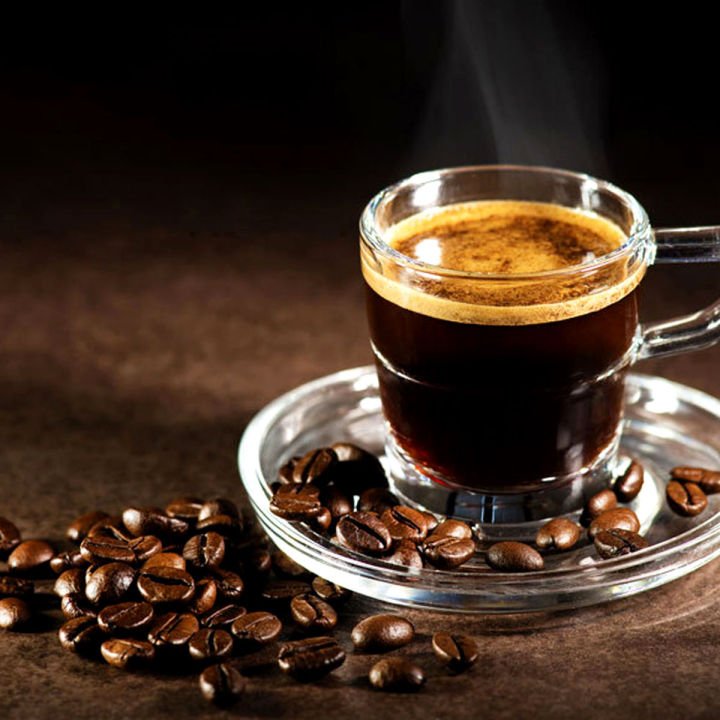
One hallmark of a well-made espresso is the layer of golden crema that crowns the shot. This frothy and aromatic crema is a testament to the freshness of the coffee beans and the precision of the brewing process. It encapsulates the essence of the coffee, providing a delightful visual and olfactory experience before the first sip.
Espresso’s flavor profile is a symphony of intense and complex notes. The concentrated nature of the brew intensifies the coffee’s inherent characteristics, bringing forth a bold and full-bodied taste. The discerning palate can detect nuances of bitterness, sweetness, acidity, and a lingering aftertaste that varies depending on the coffee beans’ origin and roast.
Beyond its sensory allure, espresso plays a pivotal role in various coffee-based beverages. It serves as the foundation for classics like cappuccinos, lattes, and Americanos. The skilled barista, akin to an artist, uses the espresso shot as a canvas to create a myriad of coffee masterpieces, each tailored to suit individual preferences.
Espresso culture extends beyond the beverage itself, encompassing the rituals and social aspects associated with its consumption. The café, with its distinctive aroma of freshly ground coffee, serves as a communal space where people gather to savor their espresso and engage in conversation. Whether in the bustling streets of Rome or a quaint coffee shop in Paris, the act of enjoying an espresso transcends mere caffeine intake; it becomes a shared experience, a moment of connection.
The rise of specialty coffee culture has further elevated the appreciation of espresso. Coffee aficionados seek out single-origin beans, meticulously roasted to perfection, to unlock new dimensions of flavor in their espresso. The pursuit of the ideal shot has given rise to a global community of coffee enthusiasts who exchange brewing techniques, tasting notes, and a genuine passion for the art of espresso.
In the fast-paced modern world, espresso has found its place as a quick and invigorating pick-me-up. The convenience of a swift shot of espresso has made it a staple in the daily routines of many, providing a concentrated burst of energy and flavor that transcends cultural boundaries.
In conclusion, espresso stands as a testament to the marriage of science and art in the world of coffee. From its humble beginnings in Italian cafes to its global prevalence today, espresso has evolved into a symbol of craftsmanship and community. Whether enjoyed solo for its intense flavor or as the base for a myriad of coffee creations, espresso continues to captivate and unite coffee lovers worldwide.
A Guide to Making Drip Coffee at Home
For many coffee lovers, the familiar aroma of freshly brewed drip coffee is the comforting start to their day. Drip coffee, made using a simple yet effective method, is a versatile and convenient way to enjoy a consistently delicious cup of coffee. In this guide, we’ll explore the step-by-step process of making drip coffee at home, ensuring you can savor the rich flavors and enticing aromas in every sip.
- Drip coffee maker
- Coffee filter (paper or metal)
- Coffee grinder
- Freshly roasted coffee beans
- Water kettle or similar for boiling water
- Mug or carafe to collect brewed coffee
Steps to Make Drip Coffee
Start with high-quality, freshly roasted coffee beans. Opt for beans that match your preferred flavor profile, whether it’s a medium roast with balanced acidity or a dark roast with robust, smoky notes.
Measure the coffee grounds according to your taste preferences and the strength you desire. A standard ratio is about 1 to 2 tablespoons of coffee grounds for every 6 ounces of water. Adjust based on your preference. Grind the coffee beans just before brewing to preserve freshness. For drip coffee, use a medium grind – resembling coarse sand. The grind size influences the extraction process and the overall flavor of your coffee.
Fill the water reservoir of your drip coffee maker with clean, filtered water. The quality of the water directly affects the taste of your coffee, so use filtered water if possible. Place a coffee filter (paper or metal) into the designated basket of your coffee maker. If you’re using a paper filter, it’s advisable to rinse it with hot water to remove any paper taste and preheat the coffee maker.
Add the measured coffee grounds to the filter. Ensure an even distribution to promote uniform extraction. Turn on your drip coffee maker and let it work its magic. As the water heats up, it will flow through the coffee grounds, extracting the flavors and aromas.
Once the brewing process is complete, carefully remove the coffee pot or carafe from the hot plate. Pour yourself a cup and savor the enticing aroma as you do. Feel free to customize your drip coffee with your preferred additions. Whether you enjoy it black, with a splash of milk, or a hint of sweetener, drip coffee is a versatile canvas for personalization.
The key to great drip coffee is starting with high-quality, freshly ground beans. Regularly clean your coffee maker and components to prevent the buildup of coffee oils and residue, ensuring a clean and flavorful brew. Water temperature is crucial for proper extraction. Aim for water between 195–205°F (90–96°C) for optimal results. Adjust the coffee-to-water ratio to suit your taste preferences. Experimentation is key to finding your perfect cup. Preserve the freshness of your coffee beans by storing them in an airtight container in a cool, dark place.
Brewing drip coffee at home is a straightforward yet rewarding process. With the right ingredients, equipment, and a bit of personalization, you can elevate your morning routine with a cup of rich, flavorful drip coffee. Embrace the simplicity and versatility of this brewing method, and enjoy the pleasure of a perfectly brewed cup in the comfort of your own home.